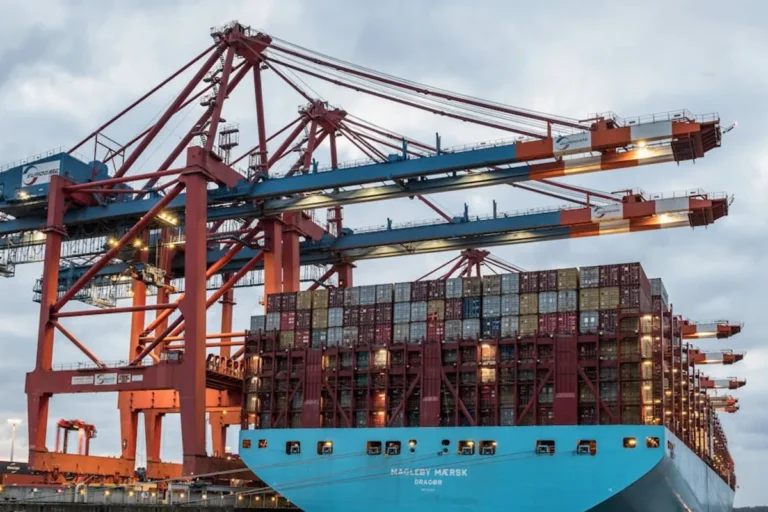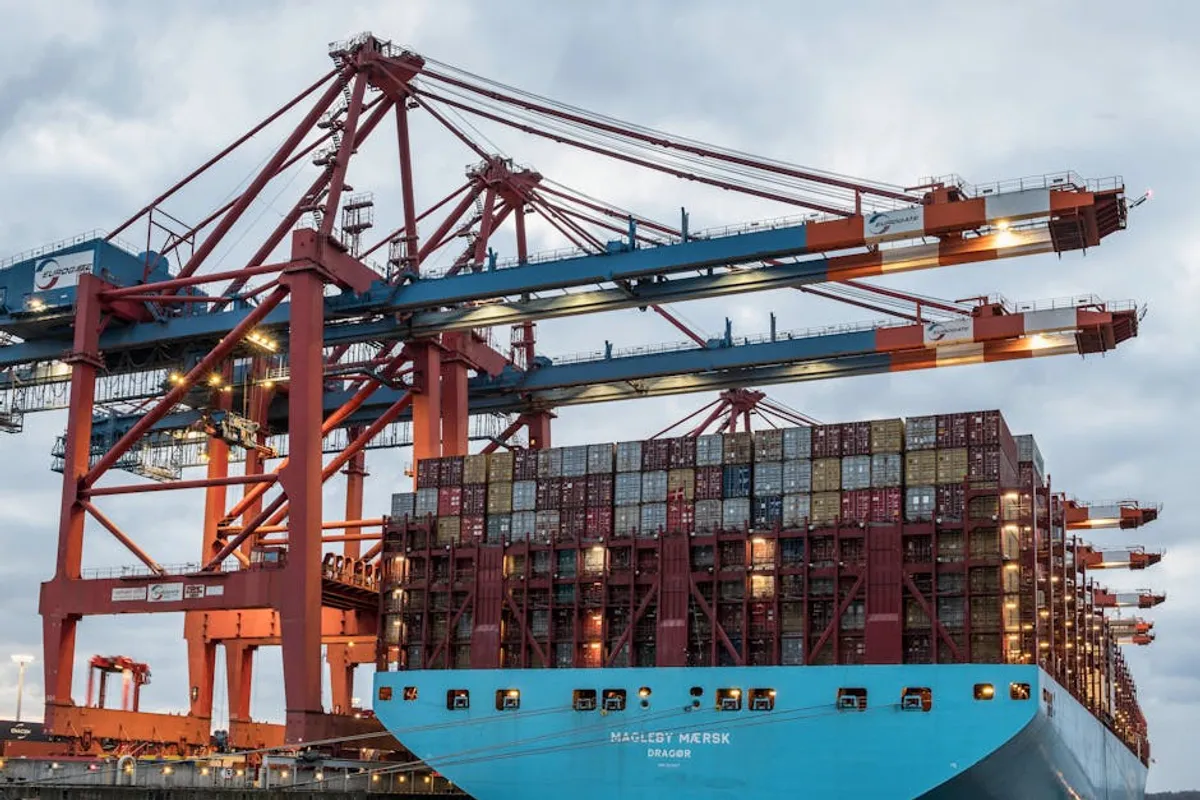
In an era defined by unpredictable market shifts, geopolitical tensions, and rapid demand fluctuations, the reliability of a supply chain has become a primary differentiator for businesses. While air cargo offers speed and land transport provides regional flexibility, ocean freight stands as the foundational pillar for global commerce, underpinning the very concept of a reliable supply chain. Its strategic importance extends far beyond mere transportation, influencing inventory management, cost structures, market access, and ultimately, business continuity.
The Unmatched Scale and Global Reach of Ocean Freight
Ocean freight's preeminence in global logistics stems from its unparalleled capacity and extensive network. Container ships can transport tens of thousands of TEUs (twenty-foot equivalent units) in a single voyage, a volume unmatched by any other mode. This scale translates directly into the ability to move vast quantities of goods—from raw materials to finished products—across continents efficiently. For businesses operating on a global scale, ocean freight is not merely an option; it is the default mechanism for accessing international markets and sourcing components from diverse manufacturing hubs.
This global connectivity is critical for maintaining supply chain reliability. Businesses can diversify their sourcing strategies, reducing dependence on single regions and mitigating risks associated with localized disruptions. The established routes and predictable schedules of liner shipping, while slower than air, provide a consistent framework for long-term planning and inventory forecasting. This predictability is a cornerstone of reliability, allowing companies to manage lead times, optimize stock levels, and meet customer demand with greater confidence.
Strategic Cost Efficiency for Competitive Advantage
Beyond sheer volume, ocean freight offers significant cost advantages, which are pivotal for maintaining competitive pricing and healthy profit margins. On a per-unit basis, shipping goods by sea is substantially more economical than air or even long-haul land transport, especially for heavy, bulky, or low-value-density cargo. This cost-effectiveness allows businesses to:
- Access a wider range of global suppliers, including those in emerging markets where production costs may be lower.
- Offer more competitive pricing to end consumers, expanding market share.
- Allocate capital more strategically, investing less in transportation and more in product development, marketing, or infrastructure.
- Manage the total landed cost of goods, which is a critical factor in overall business profitability.
For many industries, particularly manufacturing, retail, and commodities, the cost structure afforded by ocean freight is non-negotiable. It enables the globalized production and distribution models that have become standard, directly impacting the economic viability of countless products.
Building Resilience Through Diversified Transport Strategies
A reliable supply chain is inherently resilient, capable of withstanding and recovering from disruptions. Ocean freight plays a vital role in this resilience, often serving as a primary or secondary mode in a diversified transport portfolio. While its longer transit times can be a drawback for time-sensitive cargo, its capacity and relative stability during peak seasons or localized crises make it an indispensable tool for risk mitigation.
When air cargo capacity tightens or land routes become impassable due to weather, geopolitical events, or infrastructure failures, ocean freight often provides the necessary backup. Strategic relationships with multiple ocean carriers and flexible booking arrangements can offer critical alternatives, preventing complete supply chain breakdowns. This diversification ensures that even if one mode of transport is compromised, goods can still reach their destination, albeit potentially with adjusted timelines.
Pro Tip: To maximize ocean freight reliability, businesses should prioritize establishing robust service contracts with multiple carriers. These agreements can secure guaranteed space, define transit times, and outline contingency plans, offering a layer of protection against market volatility and ensuring consistent service levels even during peak demand or unforeseen disruptions.
Enhancing Visibility and Control with Modern Technology
The reliability of ocean freight is increasingly bolstered by technological advancements. Digitalization has transformed traditional shipping processes, offering greater visibility and control over cargo movements. Modern platforms provide:
- Real-time Tracking: GPS and IoT sensors on containers allow for precise location tracking, providing estimated times of arrival (ETAs) and enabling proactive adjustments to downstream logistics.
- Automated Documentation: Digital booking, customs declarations, and electronic bills of lading streamline administrative processes, reducing errors and accelerating clearance.
- Data Analytics: Predictive analytics use historical data and current conditions (e.g., port congestion, weather patterns) to forecast potential delays, allowing businesses to anticipate and mitigate issues.
This enhanced visibility transforms ocean freight from a "black box" into a transparent and manageable component of the supply chain. Businesses can make informed decisions, communicate effectively with stakeholders, and minimize the impact of unforeseen events, all contributing to a more reliable overall operation. Leveraging technology can further enhance supply chain visibility, making operations more predictable and responsive.
Strategic Planning for Consistent Supply Chain Performance
Ocean freight is not merely a logistical function; it is a strategic asset that underpins the reliability and competitiveness of global supply chains. Businesses must integrate ocean freight considerations into their broader supply chain strategy, focusing on long-term partnerships, technological adoption, and diversified risk management.
To ensure consistent performance, companies should:
- Develop clear service level agreements (SLAs) with carriers that define transit times, on-time performance, and communication protocols.
- Invest in or leverage platforms that provide end-to-end visibility across the entire shipping journey.
- Regularly review and optimize their carrier portfolio to balance cost, speed, and resilience.
- Incorporate ocean freight data into their demand forecasting and inventory planning processes.
By treating ocean freight as a strategic component rather than a transactional expense, businesses can build supply chains that are not only efficient but also robust and dependable in the face of an ever-changing global landscape.
Frequently Asked Questions
How does ocean freight contribute to supply chain resilience?
Ocean freight builds resilience by providing unmatched capacity for large volumes, offering cost-effective alternatives to other modes, and enabling diversification of sourcing and shipping routes. Its established global network helps maintain continuity during disruptions affecting air or land transport.
What types of goods are best suited for ocean freight?
Ocean freight is ideal for heavy, bulky, and non-perishable goods where cost efficiency is prioritized over speed. This includes raw materials, manufactured goods, machinery, vehicles, and commodities like grain or oil, which are typically shipped in large quantities.
How can businesses mitigate risks associated with ocean freight delays?
Mitigating delays involves several strategies: establishing strong relationships with multiple reputable carriers, securing detailed service contracts, utilizing advanced tracking and visibility tools, diversifying shipping routes, and building buffer stock into inventory plans to absorb minor disruptions.
What role does technology play in modern ocean freight reliability?
Technology enhances reliability through real-time cargo tracking, automated documentation, and predictive analytics. These tools provide greater transparency, improve decision-making, and allow businesses to proactively manage potential delays or issues, leading to more predictable deliveries.