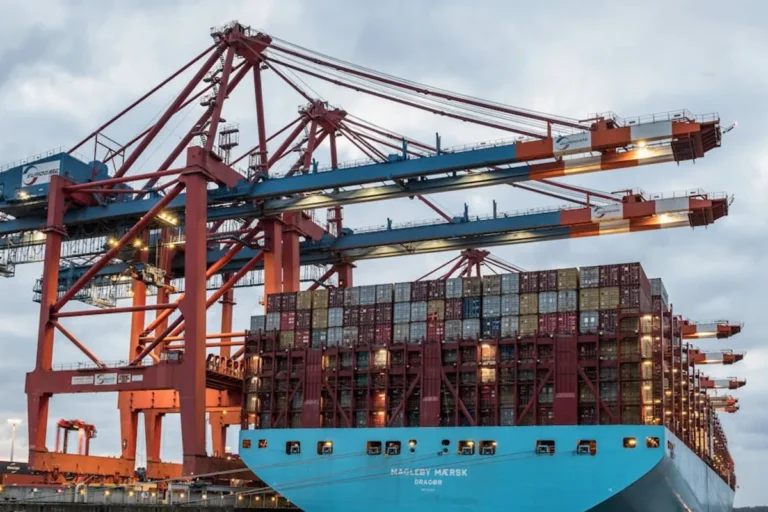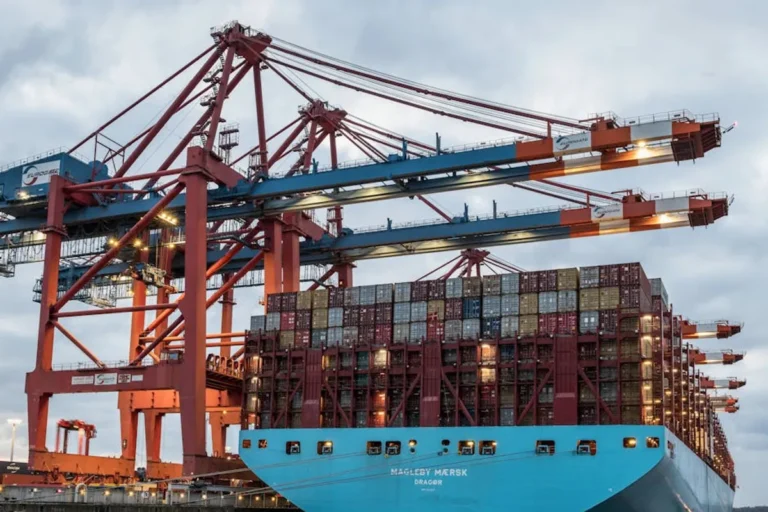
Navigating the complexities of international trade demands a rigorous approach to customs clearance. For businesses engaged in global commerce, effective customs management is not merely a procedural step; it is a strategic imperative that directly impacts supply chain efficiency, cost control, and regulatory compliance. Delays, penalties, and unforeseen expenses stemming from inadequate customs practices can erode profit margins, damage customer relationships, and even lead to legal repercussions. This article outlines essential best practices, offering a structured framework for organizations to streamline their customs operations, minimize risks, and optimize their global logistics footprint.
What to Look For in Effective Customs Management
Effective customs management hinges on several core pillars designed to ensure smooth, compliant, and cost-efficient movement of goods across borders. Prioritize practices that enhance data accuracy, leverage technological solutions for speed and consistency, and foster a proactive stance on regulatory changes. A robust strategy incorporates comprehensive training for personnel, cultivates strong relationships with customs brokers and authorities, and establishes clear internal audit mechanisms. The goal is to transform customs clearance from a potential bottleneck into a predictable, integrated component of your international trade strategy, ultimately reducing transit times, mitigating duty and tax liabilities, and safeguarding your company's reputation. To further streamline these processes, consider how leveraging technological solutions can enhance speed and consistency in your operations.
1. Accurate Documentation Preparation
Precise and complete documentation is the bedrock of efficient customs clearance. This practice involves meticulously preparing all required paperwork, including commercial invoices, packing lists, bills of lading/air waybills, certificates of origin, and any necessary permits or licenses. Errors or omissions in these documents are a leading cause of customs delays, inspections, and penalties. The focus must be on granular detail, ensuring that product descriptions, quantities, values, and consignee/consignor information align perfectly across all submitted forms. Implementing standardized templates and multi-stage review processes can significantly reduce discrepancies.
Best for: All businesses engaged in international trade, particularly those with high-volume shipments or diverse product catalogs.
Pros: Reduces clearance times, minimizes risk of fines and penalties, prevents shipment delays, improves predictability in logistics.
Cons: Requires significant attention to detail and internal resources; initial setup of robust processes can be time-consuming.
Verdict: Non-negotiable for any successful import/export operation; foundational to avoiding costly customs interventions.
2. Harmonized System (HS) Code Classification Expertise
Correctly classifying goods using the Harmonized System (HS) codes is critical for determining applicable duties, taxes, and regulatory requirements. This practice demands deep product knowledge and an understanding of the HS nomenclature rules. Misclassification, whether intentional or accidental, can lead to incorrect duty payments (underpayment or overpayment), fines, and delayed release of goods. Regular training for classification personnel and access to up-to-date HS code databases are essential components. For complex products, seeking binding rulings from customs authorities provides legal certainty.
Best for: Companies importing or exporting a wide range of products, or goods with complex compositions or uses.
Pros: Ensures correct duty assessment, reduces risk of penalties, facilitates compliance with partner government agency requirements, improves data consistency.
Cons: Requires specialized expertise; HS codes can be complex and subject to change; misclassification can be difficult to detect internally.
Verdict: Directly impacts landed cost and compliance; a core competency that prevents significant financial and operational setbacks.
3. Proactive Regulatory Compliance Monitoring
International trade regulations are dynamic, with frequent updates to tariffs, trade agreements, import restrictions, and security protocols. Proactive monitoring involves continuously tracking these changes across all relevant jurisdictions to ensure ongoing compliance. This practice requires subscribing to regulatory updates, engaging with industry associations, and utilizing trade compliance software. Reacting only after a regulation changes can expose a business to non-compliance risks, including fines, shipment detentions, and loss of import/export privileges. An internal compliance calendar can help track critical deadlines and review periods.
Best for: Businesses operating in multiple markets or those dealing with politically sensitive goods, such as dual-use items or controlled substances.
Pros: Minimizes risk of non-compliance penalties, avoids unexpected disruptions, allows for strategic adjustments to supply chains, maintains good standing with authorities.
Cons: Requires dedicated resources for research and analysis; information overload can be a challenge; global regulatory landscape is vast.
Verdict: Essential for long-term operational stability and risk mitigation in a constantly evolving global trade environment.
4. Leveraging Technology and Automation
Modern customs management benefits significantly from technology and automation. This practice involves implementing Trade Management Systems (TMS), Global Trade Management (GTM) software, or integrating with customs broker platforms. These tools can automate document generation, HS code classification, duty/tax calculation, and electronic submission of declarations. Automation reduces manual errors, accelerates processing times, and provides real-time visibility into shipment status. Data analytics capabilities within these systems can also identify trends and areas for process improvement.
Best for: Medium to large enterprises with substantial import/export volumes, or those seeking to scale their international operations efficiently.
Pros: Increases efficiency, reduces human error, provides real-time visibility, facilitates data analysis, improves audit trails, enhances scalability.
Cons: Initial investment in software and integration can be substantial; requires staff training; system maintenance and updates are ongoing.
Verdict: A transformative practice that moves customs operations from reactive to proactive, offering significant long-term ROI through efficiency gains and reduced risk.
5. Establishing Strong Relationships with Brokers
Customs brokers act as intermediaries, navigating the complexities of customs procedures on behalf of importers and exporters. Building strong, collaborative relationships with trusted brokers is a critical practice. This involves selecting brokers based on their expertise in specific product categories or regions, their technological capabilities, and their communication transparency. Regular communication, performance reviews, and sharing detailed shipment information enable brokers to act more effectively, often preventing issues before they arise. Viewing brokers as extensions of your internal team fosters better outcomes.
Best for: Businesses without extensive in-house customs expertise, or those operating in diverse and complex international markets.
Pros: Access to specialized expertise, reduces internal workload, faster clearance times, guidance on complex regulations, potential for duty optimization.
Cons: Reliance on external parties; costs associated with broker fees; potential for miscommunication if not managed actively.
Verdict: A strategic partnership that can significantly de-risk and streamline customs operations, especially for companies without dedicated internal trade compliance teams.
6. Implementing Robust Internal Audit Procedures
Regular internal audits of customs processes and declarations are essential for identifying and correcting errors before they become compliance issues. This practice involves periodically reviewing import/export records, classification decisions, valuation methodologies, and duty payments. An effective internal audit program includes sampling transactions, cross-referencing documentation, and assessing adherence to internal policies and external regulations. Documenting audit findings and implementing corrective actions demonstrates due diligence to customs authorities and prevents recurring problems.
Best for: All businesses, particularly those operating under self-assessment programs or with a history of customs inquiries.
Pros: Identifies compliance gaps proactively, reduces risk of external audits and penalties, improves data accuracy, fosters a culture of compliance.
Cons: Requires dedicated internal resources or external expertise; can be perceived as an administrative burden; findings may reveal costly errors.
Verdict: A preventative measure that strengthens an organization's compliance posture and provides early warning of systemic issues.
7. Optimizing Valuation Methodologies
The declared value of imported goods directly impacts the amount of duties and taxes owed. Optimizing valuation methodologies involves ensuring that the customs value is accurately determined according to international rules (e.g., WTO Valuation Agreement) and national legislation. This practice includes correctly accounting for additions (e.g., assists, royalties, selling commissions) and deductions (e.g., international freight, insurance) to the transaction value. Misstating value, even unintentionally, can lead to significant duty underpayments or overpayments and subsequent penalties. Regular review of valuation practices is crucial, especially for related-party transactions.
Best for: Companies with complex pricing structures, related-party transactions, or those importing goods with significant "assists" or royalties.
Pros: Ensures accurate duty payment, avoids penalties for undervaluation, identifies opportunities for legitimate duty reduction, improves financial accuracy.
Cons: Valuation rules can be complex and require expert interpretation; requires detailed cost accounting and transfer pricing data.
Verdict: Directly impacts financial liability and compliance; a nuanced area where expert guidance can yield substantial savings and mitigate risk.
8. Managing Import/Export Licenses and Permits
Many goods require specific licenses or permits for import or export due to their nature, origin, destination, or intended use. This practice involves identifying all necessary permits (e.g., for agricultural products, pharmaceuticals, defense articles, controlled chemicals) and applying for them in advance of shipment. Failure to obtain required licenses results in immediate shipment detention, potential seizure, and severe penalties. A centralized system for tracking license validity, renewal dates, and usage limits is crucial. Early engagement with relevant government agencies is often necessary.
Best for: Businesses dealing with regulated goods, dual-use items, or those subject to export controls and sanctions.
Pros: Ensures legal movement of restricted goods, avoids shipment delays and seizures, maintains compliance with national security and public safety regulations.
Cons: Application processes can be lengthy and complex; requirements vary significantly by country and product type; tracking multiple licenses is challenging.
Verdict: Absolutely critical for specialized goods; neglecting this practice can halt entire supply chains and trigger severe legal repercussions.
9. Developing a Duty Drawback/Refund Strategy
Many countries offer duty drawback programs or refund mechanisms for duties paid on imported goods that are subsequently exported (either in their original form or as components of manufactured products). Developing a strategy involves identifying eligible transactions, meticulously tracking imported materials, and preparing accurate claims within specified timeframes. This practice can significantly reduce the overall cost of goods sold for businesses engaged in re-export or manufacturing for export. It requires robust record-keeping and a clear understanding of program requirements.
Best for: Manufacturers who import raw materials or components and then export finished products, or companies that re-export imported goods.
Pros: Recovers significant duty costs, improves competitiveness, enhances cash flow, optimizes supply chain economics.
Cons: Claim processes can be complex and time-consuming; stringent record-keeping requirements; program eligibility varies by country.
Verdict: An underutilized financial optimization tool that can yield substantial cost savings, particularly for export-oriented businesses.
10. Effective Communication and Stakeholder Management
Smooth customs clearance relies on seamless communication among all parties involved: internal departments (purchasing, sales, logistics, finance), suppliers, customers, freight forwarders, and customs brokers. This practice involves establishing clear communication channels, defining roles and responsibilities, and proactively sharing critical information (e.g., shipment schedules, documentation requirements, regulatory changes). Miscommunication or lack of information flow can lead to delays, errors, and increased costs. Regular meetings and shared platforms can facilitate better coordination.
Best for: All businesses, especially those with complex supply chains involving multiple vendors and logistical partners.
Pros: Reduces errors and delays, improves operational efficiency, fosters stronger relationships with partners, enhances problem-solving capabilities.
Cons: Requires consistent effort and coordination; managing diverse stakeholders can be challenging; language barriers in international contexts.
Verdict: A crucial soft skill that underpins the success of all other technical customs practices, ensuring synchronized operations.
11. Continuous Training and Education
The complexity and dynamic nature of customs regulations necessitate continuous training and education for all personnel involved in international trade. This practice ensures that employees—from purchasing agents to logistics managers—are up-to-date on compliance requirements, internal procedures, and industry best practices. Training programs should cover HS classification, valuation, origin rules, export controls, and documentation. Investing in professional development helps prevent errors, fosters a culture of compliance, and empowers staff to make informed decisions.
Best for: All businesses, particularly those seeking to build internal expertise and reduce reliance on external consultants for routine tasks.
Pros: Enhances internal capabilities, reduces dependency on external resources, improves compliance rates, increases employee confidence and retention.
Cons: Requires ongoing investment in time and resources; finding relevant and effective training can be a challenge; knowledge retention needs reinforcement.
Verdict: A long-term investment that builds organizational resilience and competence in managing complex global trade operations.
12. Risk Assessment and Mitigation Planning
Identifying potential risks in customs operations and developing strategies to mitigate them is a proactive best practice. This involves assessing vulnerabilities such as high-risk commodities, unstable trade lanes, frequent regulatory changes, or reliance on single suppliers/brokers. Mitigation plans might include diversifying supply chains, implementing contingency plans for delays, securing customs bonds, or obtaining pre-approvals for complex transactions. A formal risk register helps track and prioritize potential customs-related issues, ensuring preparedness.
Best for: Businesses with global supply chains, operating in politically sensitive regions, or dealing with high-value or highly regulated goods.
Pros: Minimizes disruptions, protects against financial losses, enhances supply chain resilience, improves decision-making in volatile environments.
Cons: Requires ongoing analysis and monitoring; anticipating all potential risks is difficult; implementing mitigation strategies can incur costs.
Verdict: Crucial for maintaining supply chain continuity and protecting against unforeseen events that can severely impact operations and profitability.
Measuring Success and Choosing the Right Practices
To measure the success of your customs clearance management, focus on quantifiable metrics. Key performance indicators (KPIs) include average customs clearance time, number of customs delays or detentions, incidence of penalties or fines, duty and tax savings (e.g., from drawback programs or optimized valuation), and audit success rates. Regular reporting on these KPIs provides insight into the effectiveness of implemented practices. When choosing which practices to prioritize, conduct an internal assessment of your current operations. Identify your most significant pain points—whether they are frequent delays, high duty costs, or compliance risks. Start with foundational practices like accurate documentation and HS classification, then progressively integrate more advanced strategies like automation and duty optimization. The right mix of practices will align with your company's specific trade profile, risk tolerance, and growth objectives.
Frequently Asked Questions About Customs Clearance Management
Q: What is the primary goal of effective customs clearance management?
A: The primary goal is to ensure the smooth, compliant, and cost-efficient movement of goods across international borders, minimizing delays, penalties, and unforeseen expenses while adhering to all regulatory requirements.
Q: How do HS codes impact customs clearance?
A: HS (Harmonized System) codes are international product classification codes that determine the applicable duties, taxes, and regulatory requirements for imported and exported goods. Correct classification is essential for accurate duty assessment and compliance.
Q: Can technology really streamline customs processes?
A: Yes, technology and automation, such as Trade Management Systems (TMS) or Global Trade Management (GTM) software, can significantly streamline customs processes by automating documentation, classification, duty calculation, and electronic submissions, reducing errors and accelerating clearance times.
Q: Is it better to handle customs in-house or use a customs broker?
A: The choice depends on your company's internal expertise, volume of trade, and complexity of goods. Using a customs broker provides specialized knowledge and reduces internal workload, while in-house management offers greater control and potential cost savings for very high volumes, provided you have the necessary expertise.
Q: What are the risks of non-compliance in customs clearance?
A: Risks include significant financial penalties, shipment delays or seizures, increased scrutiny from customs authorities, loss of import/export privileges, and reputational damage. Non-compliance can severely disrupt supply chains and impact profitability.
Q: How often should customs procedures be reviewed?
A: Customs procedures and compliance practices should be reviewed regularly, ideally through an internal audit program at least annually, and continuously monitored for changes in regulations or trade agreements. This proactive approach helps identify and correct issues before they escalate.