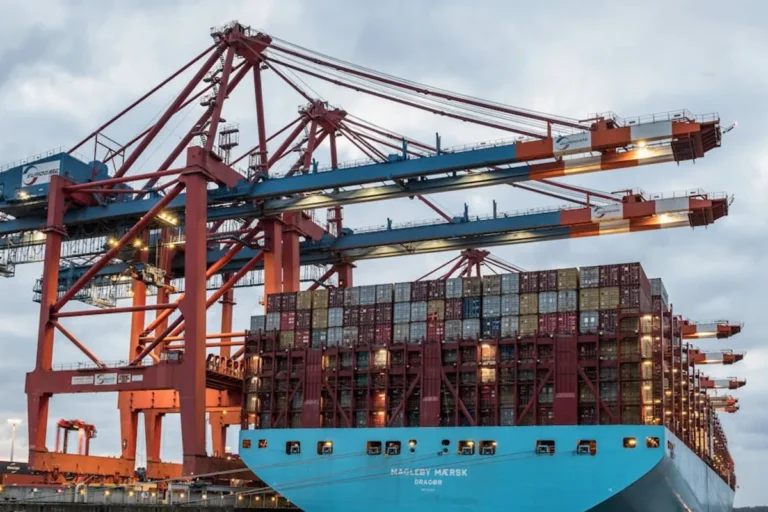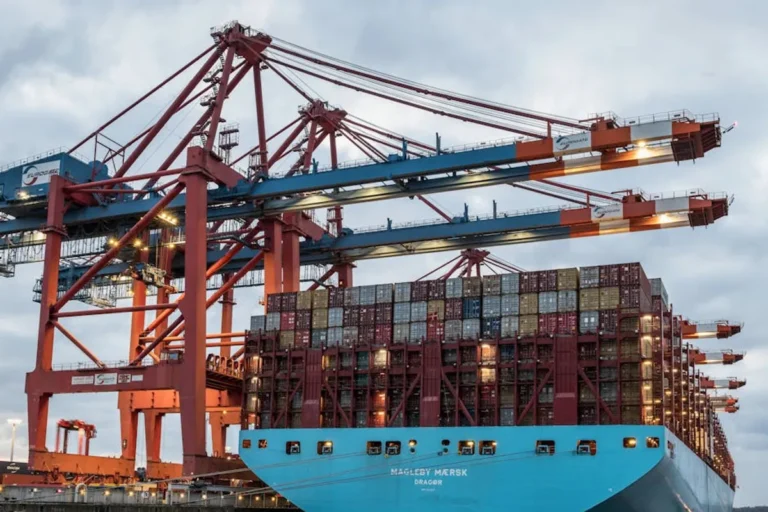
The global supply chain’s reliance on maritime transport makes it a critical vector for cyber threats. For any business involved in international trade, understanding and mitigating these risks is not merely a technical concern; it is fundamental to operational continuity, financial stability, and market competitiveness. Disruptions to maritime logistics, whether through port system shutdowns, vessel navigation interference, or data breaches, directly translate to delayed shipments, increased costs, and compromised customer trust. This necessitates a proactive and comprehensive approach to cybersecurity within the maritime sector, recognizing its direct impact on the reliability and resilience of the entire supply chain.
Evolving Cyber Threats Targeting Maritime Operations
The maritime industry, historically slow to adopt advanced digital protections, now faces sophisticated and persistent cyber threats. Attacks are no longer limited to corporate IT networks; they increasingly target operational technology (OT) systems critical for vessel navigation, cargo handling, and port management. These systems, often interconnected and remotely accessible, present numerous vulnerabilities. Common attack vectors include phishing campaigns targeting crew and shore staff, ransomware encrypting critical data or systems, and malware designed to disrupt industrial control systems (ICS).
- Ransomware attacks: These can paralyze port operations, shipping lines, and logistics providers by encrypting systems, demanding payment, and causing significant delays in cargo movement.
- GPS spoofing and AIS manipulation: Malicious actors can transmit false navigation signals or manipulate Automatic Identification System (AIS) data, leading to navigational errors, potential collisions, or misdirection of vessels.
- Data breaches: Sensitive cargo information, shipping manifests, customs data, and intellectual property are targets, potentially leading to competitive disadvantages, regulatory fines, and reputational damage.
- Supply chain attacks: Exploiting vulnerabilities in third-party software or hardware used by maritime organizations can create a backdoor for attackers to compromise broader networks.
Direct Impacts on Supply Chain Continuity and Efficiency
When maritime cybersecurity is compromised, the ripple effects extend far beyond the immediate target. Supply chain reliability hinges on predictable schedules, secure cargo, and efficient processing. Cyber incidents undermine all three:
Operational Delays: A cyberattack on a major port terminal can halt cargo loading and unloading, impacting hundreds of vessels and causing cascading delays across global shipping routes. These delays lead to increased demurrage charges, missed delivery windows, and ultimately, higher costs for goods.
Cargo Security and Integrity: Manipulated tracking systems or compromised inventory management can lead to cargo misplacement, theft, or even the introduction of contraband. Ensuring the integrity of goods from origin to destination becomes challenging when digital controls are breached.
Increased Costs: Beyond direct financial losses from ransomware payments or data breach remediation, businesses face heightened insurance premiums, legal expenses from contractual breaches, and the cost of expedited shipping to compensate for delays. These costs are often passed down the supply chain, affecting consumer prices.
Pro Tip: Implement a robust incident response plan specifically tailored for maritime cyber incidents. This plan should include clear communication protocols with all supply chain partners, legal counsel, and regulatory bodies, ensuring rapid containment and recovery to minimize operational downtime and financial impact.
Financial and Reputational Consequences for Stakeholders
The financial fallout from a maritime cyber incident can be substantial. Beyond immediate operational costs, companies face long-term financial and reputational damage.
Regulatory Fines and Legal Liabilities: Maritime organizations are subject to various international and national regulations concerning data protection (e.g., GDPR), critical infrastructure security, and maritime safety. Non-compliance due to a cyber incident can result in significant fines and legal action from affected parties.
Loss of Customer Trust: Supply chain disruptions and compromised data erode customer confidence. Businesses that cannot guarantee timely and secure delivery risk losing contracts and market share to more resilient competitors. Rebuilding trust after a significant incident can take years.
Insurance Premium Hikes: As cyber risks in the maritime sector become more pronounced, insurance providers are adjusting their policies and premiums. A history of cyber incidents will directly impact insurability and cost, adding to operational expenses.
Implementing Robust Maritime Cybersecurity Measures
Effective maritime cybersecurity requires a multi-layered approach that addresses both IT and OT environments, alongside human factors. It's about building resilience into the entire operational framework.
Integrated IT/OT Security: Converging IT and OT security strategies is paramount. This involves network segmentation, continuous monitoring of both environments, and specialized security solutions designed for industrial control systems. Regular vulnerability assessments and penetration testing across both domains are essential.
Employee Training and Awareness: Human error remains a leading cause of cyber incidents. Comprehensive training programs for all personnel, from C-suite executives to vessel crew, on identifying phishing attempts, safe browsing practices, and incident reporting protocols are critical. A strong security culture can significantly reduce risk.
Threat Intelligence Sharing: Collaborating with industry peers, government agencies, and cybersecurity firms to share threat intelligence allows organizations to anticipate emerging threats and implement proactive defenses. This collective defense strengthens the entire maritime ecosystem.
Supply Chain Risk Management: Organizations must extend their cybersecurity scrutiny to third-party vendors, suppliers, and partners within their supply chain. This includes conducting due diligence on their security practices, incorporating cybersecurity clauses into contracts, and ensuring their systems do not introduce new vulnerabilities.
Building Resilience into Maritime Supply Chains
The commercial imperative for robust maritime cybersecurity is clear: it safeguards the arteries of global trade. Organizations must move beyond reactive measures to embed security as a foundational element of their operational strategy. This involves continuous investment in technology, processes, and people, recognizing that a secure maritime environment is synonymous with a reliable and efficient supply chain. Investing in technology that provides enhanced visibility throughout the supply chain is therefore a key component of this strategy.
Frequently Asked Questions
What are the most common cyber threats to maritime operations?
Common threats include ransomware attacks, GPS spoofing, AIS manipulation, phishing campaigns, and malware targeting operational technology systems on vessels and at ports.
How does a cyberattack on a port affect the broader supply chain?
A port attack can cause significant cargo delays, disrupt shipping schedules, increase operational costs, and lead to cargo misplacement or theft, creating cascading effects throughout the global supply chain.
What regulations govern cybersecurity in the maritime industry?
Various international and national regulations apply, including guidelines from the International Maritime Organization (IMO) on cyber risk management, alongside regional data protection laws like GDPR and critical infrastructure security mandates.
What steps can companies take to improve their maritime cybersecurity?
Key steps include implementing integrated IT/OT security, conducting regular employee training, sharing threat intelligence, performing supply chain risk assessments, and developing comprehensive incident response plans.