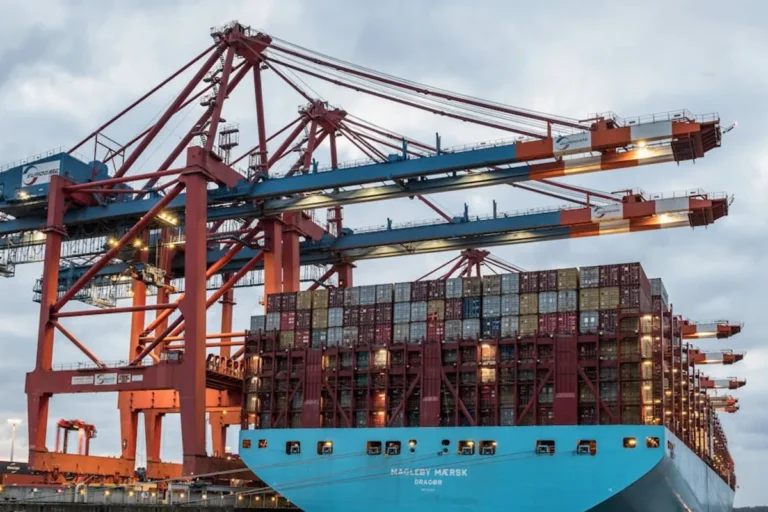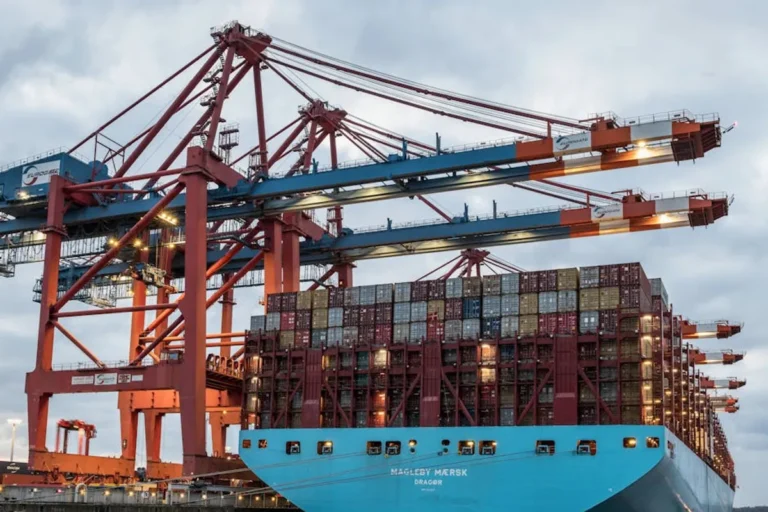
Transshipment, the strategic movement of goods through intermediate hubs before reaching their final destination, underpins global commerce. Its efficiency dictates supply chain speed, cost, and reliability. Historically, this complex process has been prone to delays, lack of visibility, and manual errors. Today, however, a wave of technological advancements is fundamentally reshaping transshipment operations, offering unprecedented opportunities for optimization, risk mitigation, and competitive advantage for businesses involved in logistics, freight forwarding, and international trade.
Real-Time Visibility and Advanced Data Analytics
The integration of Internet of Things (IoT) devices and advanced data analytics platforms provides granular, real-time insights into cargo movement and condition. GPS trackers, RFID tags, and sensor-equipped containers transmit continuous data streams on location, temperature, humidity, and shock. This immediate data flow replaces traditional, often delayed, manual checks and disparate updates.
- Enhanced Tracking: Pinpoint cargo location at any stage of transshipment, reducing search times and preventing misdirection.
- Condition Monitoring: Proactive alerts for deviations in temperature or humidity protect sensitive goods, minimizing spoilage and damage claims.
- Predictive Scheduling: Algorithms analyze historical data and real-time inputs to forecast potential delays, optimizing vessel and truck scheduling to reduce demurrage and idle times.
- Optimized Resource Allocation: Data on cargo volume and type arriving at transshipment points allows for pre-positioning of equipment and personnel, streamlining offloading and reloading processes.
This level of data-driven insight translates directly into reduced operational costs, improved delivery predictability, and enhanced customer satisfaction through accurate tracking information.
Automation and Robotics in Transshipment Hubs
Automation is transforming the physical handling of goods within transshipment facilities. Automated Guided Vehicles (AGVs), robotic cranes, and automated sorting systems are deployed to increase throughput, reduce labor costs, and minimize human error.
AGVs transport containers and pallets across vast terminals without human intervention, following optimized paths to prevent congestion. Robotic cranes handle container stacking and retrieval with precision, operating 24/7 in all weather conditions, which significantly boosts port capacity and turnaround times. Automated sorting systems rapidly identify and direct parcels or smaller freight items to their correct outbound routes, accelerating cross-docking operations.
Pro Tip: Integrating automation requires a robust digital infrastructure. Ensure your Warehouse Management System (WMS) or Terminal Operating System (TOS) can seamlessly communicate with and orchestrate automated equipment to avoid bottlenecks and maximize efficiency gains.
The primary commercial benefits include faster processing speeds, a reduction in workplace accidents, and a more predictable operational rhythm, allowing for tighter scheduling and better inventory management.
Blockchain for Enhanced Security and Traceability
Blockchain technology offers a decentralized, immutable ledger for recording every transaction and movement in the transshipment process. Each step—from origin to intermediate destination and onward—is logged as a block in the chain, creating an unalterable audit trail. Blockchain's immutable ledger can also streamline complex customs clearance processes by providing a verifiable record of all goods.
This technology addresses critical challenges such as fraud, data manipulation, and lack of trust among multiple parties. Smart contracts, self-executing agreements stored on the blockchain, automate payment releases or customs declarations once predefined conditions (e.g., cargo arrival, inspection completion) are met. This reduces administrative overhead and accelerates financial settlements.
For stakeholders, blockchain provides verifiable proof of origin, chain of custody, and compliance, which is particularly valuable for high-value goods, pharmaceuticals, or regulated commodities. It simplifies dispute resolution by providing an undeniable record of events.
Artificial Intelligence and Machine Learning for Optimization
AI and Machine Learning (ML) algorithms move beyond simple data reporting to provide predictive and prescriptive insights. In transshipment, this means optimizing complex decisions that impact efficiency and cost.
- Route Optimization: ML algorithms analyze real-time traffic, weather, and port congestion data to suggest the most efficient routes and schedules for vessels and trucks, minimizing fuel consumption and transit times.
- Demand Forecasting: AI predicts future cargo volumes and types based on historical patterns, economic indicators, and seasonal trends, enabling better resource planning for transshipment hubs.
- Risk Assessment: ML models identify potential risks like customs delays, equipment breakdowns, or adverse weather conditions, allowing operators to implement contingency plans proactively.
- Predictive Maintenance: AI analyzes data from equipment sensors to predict mechanical failures in cranes, vehicles, or other machinery, scheduling maintenance before breakdowns occur and preventing costly operational disruptions.
These capabilities lead to significant cost savings, improved service reliability, and more resilient supply chain operations.
Digital Platforms and Interoperability
The proliferation of digital platforms facilitates seamless information exchange and collaboration among diverse stakeholders in the transshipment ecosystem. Cloud-based platforms integrate data from carriers, ports, customs agencies, and consignees, creating a unified view of the supply chain.
Application Programming Interfaces (APIs) enable different systems to communicate, breaking down data silos. This interoperability is crucial for streamlining documentation, accelerating customs clearance, and coordinating complex multi-modal transfers. Electronic manifests, digital bills of lading, and automated compliance checks reduce paper-based processes, saving time and minimizing errors.
Best for: Businesses seeking to reduce administrative burdens, accelerate customs processes, and gain a holistic view of their global shipments.
Strategic Adoption for Future-Proof Transshipment Operations
The technological evolution in transshipment is not a collection of isolated advancements but an integrated shift towards more intelligent, resilient, and transparent supply chains. For businesses to leverage these changes effectively, a strategic approach is essential. This involves evaluating existing infrastructure, identifying critical pain points, and incrementally adopting solutions that offer the clearest return on investment.
Prioritize technologies that enhance visibility and predictability first, as these often provide foundational data for subsequent AI and automation initiatives. Focus on interoperability to ensure new systems integrate smoothly with existing ones, avoiding new data silos. The goal is to build a more agile and responsive transshipment network capable of adapting to global trade dynamics and customer demands.
Frequently Asked Questions
What is transshipment?
Transshipment is the process of transferring goods from one ship, vehicle, or mode of transport to another at an intermediate point during the journey, typically to consolidate cargo, change routes, or utilize different transport capacities.
How does AI specifically improve transshipment efficiency?
AI improves efficiency by optimizing routes, predicting demand, assessing risks, and enabling predictive maintenance for equipment, all of which reduce delays, lower costs, and enhance operational reliability.
What are the main challenges in adopting new transshipment technologies?
Key challenges include high initial investment costs, the need for robust data infrastructure, ensuring interoperability between disparate systems, and overcoming resistance to change within organizations.
How does blockchain benefit transshipment?
Blockchain enhances security and traceability by creating an immutable, transparent record of all transactions and movements, preventing fraud, simplifying compliance, and accelerating administrative processes through smart contracts.