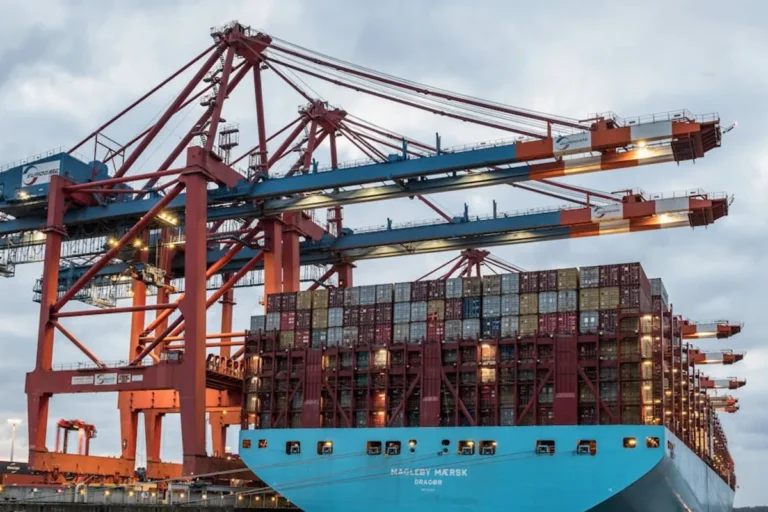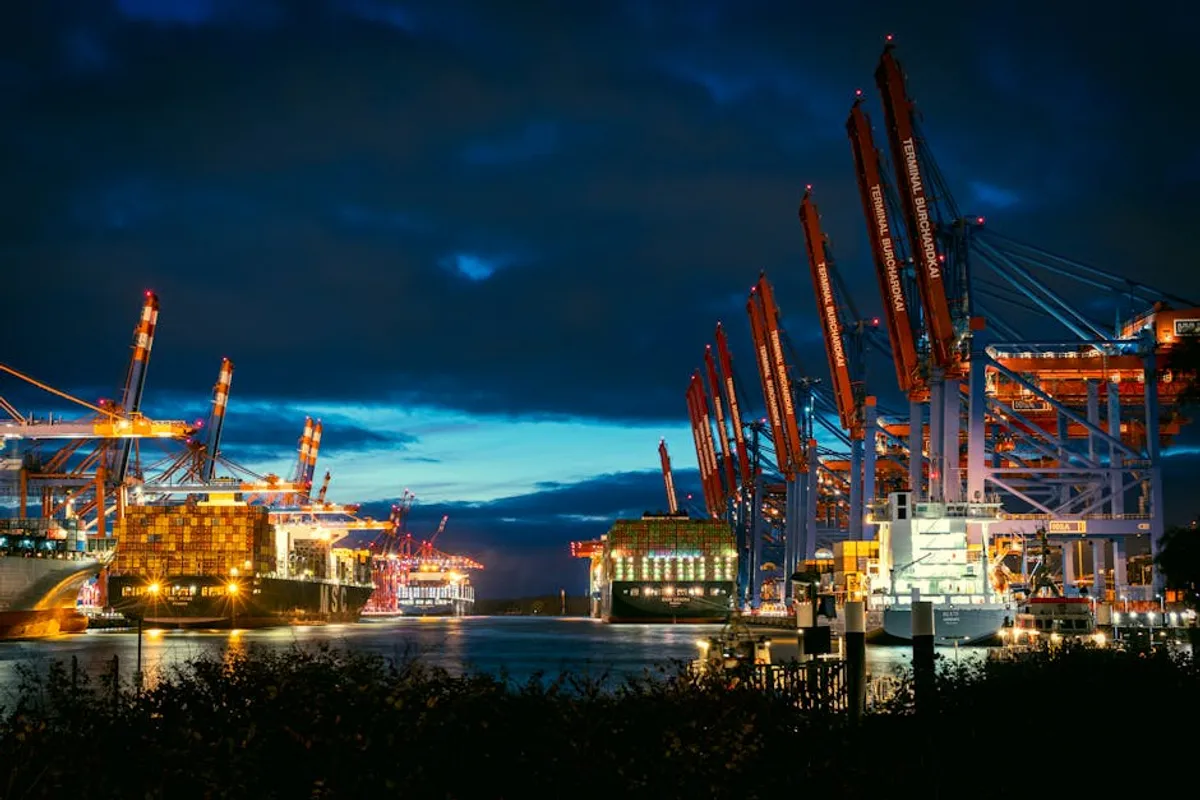
Importers navigating global supply chains frequently encounter port congestion, a challenge that can erode profits, delay deliveries, and damage customer relationships. While some congestion is unavoidable due to external factors like weather or geopolitical events, a significant portion of its impact stems from preventable errors in planning and execution. Understanding these common missteps is the first step toward mitigating risk and maintaining operational fluidity in a volatile shipping landscape.
Underestimating Lead Times and Buffer Stock
One of the most frequent and costly mistakes importers make is relying on static, historical lead times without accounting for dynamic market conditions. Global events, sudden shifts in consumer demand, and labor disputes at key ports can extend transit times significantly. Importers who fail to build adequate buffer stock or adjust their lead time calculations accordingly face stockouts, expedited shipping costs, and lost sales.
Ignoring Global Supply Chain Indicators
Many importers operate reactively, waiting for delays to manifest before adjusting their plans. A proactive approach requires constant monitoring of global supply chain indicators. This includes tracking port dwell times, vessel schedules, labor negotiations, and regional economic shifts. Ignoring these signals means missing early warnings of impending congestion, making it impossible to pivot sourcing or shipping routes in time.
Example: An importer maintaining a fixed 30-day lead time from Asia may face severe disruptions if a major typhoon hits a primary transshipment hub, extending actual transit to 45-50 days. Without prior monitoring and adjustment, their inventory will be depleted, leading to backorders.
Insufficient Safety Stock Planning
Buffer stock, or safety stock, acts as a crucial safeguard against unexpected delays. Importers often minimize safety stock to reduce warehousing costs or avoid tying up capital. However, in an environment prone to port congestion, this lean approach becomes a liability. The cost of carrying additional inventory pales in comparison to the financial penalties associated with production stoppages, unfulfilled orders, and emergency air freight.
Neglecting Documentation and Compliance
Errors in paperwork might seem minor, but they are a primary cause of delays and penalties at congested ports. Customs authorities operate under strict regulations, and any discrepancy can lead to goods being held, incurring demurrage and detention charges, and even fines.
Pro Tip: Implement a multi-stage documentation review process, ideally involving both internal compliance teams and your freight forwarder, to catch errors before submission. This proactive step can save thousands in demurrage and prevent critical delays.
Incomplete or Inaccurate Customs Declarations
Customs declarations require precision. Missing Harmonized System (HS) codes, incorrect valuations, or misclassified goods trigger immediate red flags. These issues lead to intensive inspections, requests for additional information, and protracted clearance processes, all while the cargo sits at the port accumulating charges.
Overlooking Port-Specific Regulations
Each port has its own nuances, from specific manifest requirements to entry procedures for certain types of goods. Assuming a one-size-fits-all approach to documentation across different ports is a common pitfall. Importers must research and adhere to the unique regulatory frameworks of every port their cargo passes through, including transshipment points.
Inadequate Communication with Partners
Effective communication is the backbone of a resilient supply chain. When communication breaks down, especially during periods of congestion, misalignments and missed opportunities for mitigation proliferate.
Failing to Coordinate with Freight Forwarders
Freight forwarders are on the front lines of logistics, possessing real-time insights into port conditions, carrier availability, and alternative routing options. Importers who treat their forwarders merely as transactional service providers, rather than strategic partners, miss out on critical intelligence. Open lines of communication, sharing forecasts, and discussing potential risks enable forwarders to proactively suggest solutions.
Lack of Transparency with Customers
When delays occur due to port congestion, an importer's first instinct might be to delay communicating with customers. This approach often backfires, leading to frustration and damaged trust. Transparent, proactive communication about potential delays, along with revised delivery estimates, allows customers to adjust their own plans and appreciate the importer's honesty.
Poor Carrier Selection and Management
The choice of ocean carrier significantly impacts an importer's vulnerability to port congestion. Relying solely on the lowest bid without evaluating reliability and service levels is a high-risk strategy.
Prioritizing Cost Over Reliability
While cost efficiency is vital, selecting carriers based purely on price can prove expensive in the long run. Cheaper carriers may offer less frequent sailings, fewer vessel options, and lower priority for berth space, making them more susceptible to congestion-related delays. A slightly higher rate for a carrier with a reputation for schedule integrity and robust contingency planning often yields better overall value.
Not Diversifying Carrier Relationships
Putting all cargo with a single carrier, or even a single alliance, concentrates risk. If that carrier experiences operational issues, labor disputes, or is heavily impacted by congestion at a particular port, all of an importer's shipments are affected. Diversifying across multiple carriers and alliances provides flexibility to shift cargo when one route or service becomes compromised.
Overlooking Technology and Data Analytics
The complexity of modern supply chains, coupled with the unpredictability of port congestion, demands advanced tools for visibility and decision-making. Many importers still rely on outdated methods, hindering their ability to respond effectively.
Manual Tracking and Reactive Responses
Spreadsheet-based tracking and manual communication lead to fragmented data and delayed responses. Without real-time visibility into vessel positions, estimated arrival times (ETAs), and port conditions, importers are left reacting to problems after they've already caused significant disruption. This reactive posture makes it impossible to reroute, prioritize, or inform stakeholders promptly.
Missing Predictive Insights
Beyond tracking, advanced analytics platforms can leverage historical data, current conditions, and AI algorithms to predict potential congestion points and delays. Importers who do not utilize these tools miss opportunities to anticipate problems days or even weeks in advance, preventing costly last-minute scrambles.
Key data points for proactive monitoring:
- Real-time vessel tracking and ETA updates.
- Port dwell times and vessel queue lengths.
- Container availability and repositioning data.
- Global trade lane performance metrics.
- Customs clearance times and regulatory changes.
Proactive Strategies for Smoother Operations
Avoiding common port congestion mistakes requires a shift from reactive problem-solving to proactive risk management. Importers must invest in robust planning, foster transparent communication across their supply chain, and leverage technology for enhanced visibility and predictive capabilities. This involves building stronger relationships with freight forwarders and carriers, continuously monitoring global logistics indicators, and maintaining agile inventory strategies. By implementing these measures, businesses can build greater resilience, minimize disruptions, and protect their bottom line in an increasingly complex global trade environment.
Frequently Asked Questions
What are demurrage and detention charges?
Demurrage is a fee charged by the shipping line for using their container beyond the free time allowed while it's still at the port terminal. Detention is a fee for using the container outside the port terminal beyond the free time, typically for unpacking at the consignee's warehouse.
How can importers improve communication with freight forwarders?
Establish regular check-ins, share sales forecasts and promotional plans, provide clear delivery requirements, and grant access to internal tracking systems where appropriate. Treat them as an extension of your logistics team.
Is it always better to pay more for a reliable carrier?
Not always, but reliability often justifies a higher cost. Evaluate the total landed cost, including potential demurrage, detention, and lost sales from delays, against the initial freight rate. A slightly more expensive but consistently on-time carrier can be more cost-effective overall.
What technology should importers consider for port congestion management?
Look for platforms offering real-time visibility (vessel tracking, port status), predictive analytics for delay forecasting, and integrated communication tools to streamline updates with partners. Supply chain visibility platforms are becoming essential.