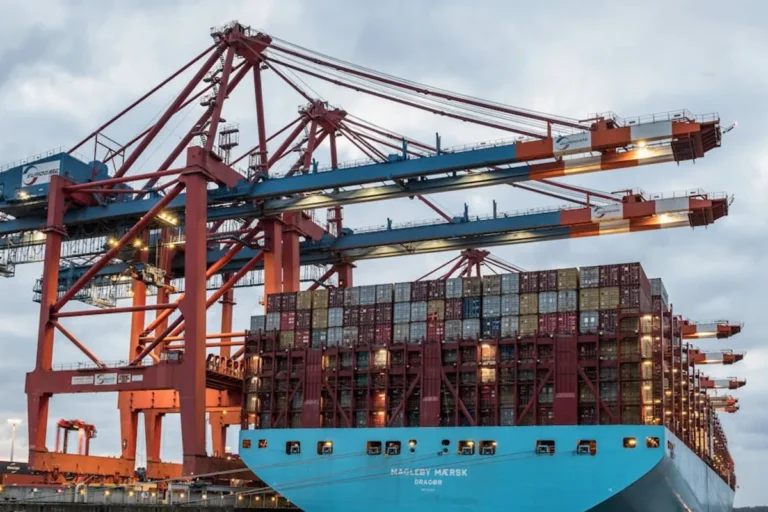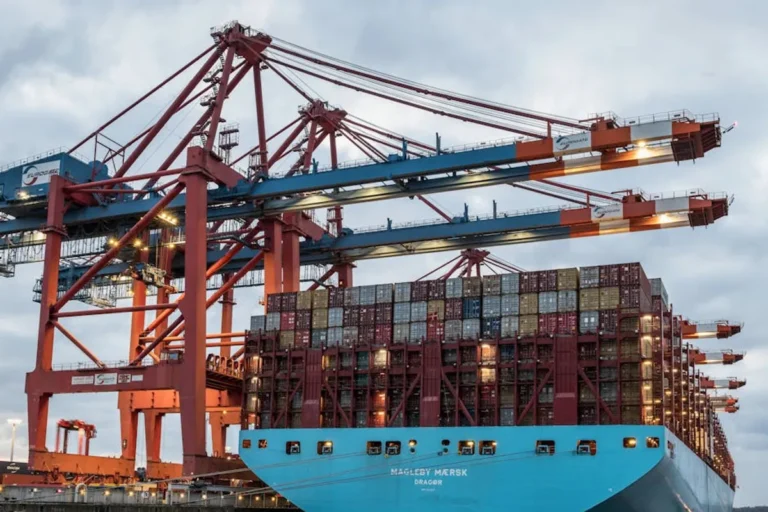
Port congestion represents a critical bottleneck in global supply chains, leading to significant delays, increased costs, and reduced predictability for shippers, carriers, and consumers alike. The ripple effects extend from perishable goods spoilage to manufacturing halts, underscoring the urgent need for robust management strategies. Understanding and implementing best practices is not merely about mitigating immediate disruptions; it is about building resilient, efficient, and future-proof logistics operations capable of navigating an increasingly complex global trade landscape. This involves a multi-faceted approach, integrating technological advancements, operational efficiencies, and collaborative frameworks to ensure goods move predictably from origin to destination. Port congestion represents a critical bottleneck in global supply chains, leading to significant delays, increased costs, and reduced predictability for shippers, carriers, and consumers alike, highlighting the need for a clear understanding of what port congestion entails.
Key Considerations for Effective Port Congestion Management
Addressing port congestion requires a strategic framework built on several foundational pillars. First, comprehensive data visibility across the entire logistics chain is paramount, enabling proactive decision-making rather than reactive problem-solving. Second, fostering seamless collaboration among all stakeholders—port authorities, shipping lines, terminal operators, truckers, and rail operators—ensures synchronized efforts. Third, the strategic adoption of advanced technologies offers tools for optimization, automation, and real-time monitoring. Finally, adapting to and influencing regulatory environments can streamline processes and support necessary infrastructure developments. Neglecting any of these areas can undermine even well-intentioned efforts, emphasizing the need for an integrated, holistic strategy.
1. Enhanced Data Visibility and Predictive Analytics
This practice centers on aggregating real-time data from various sources—vessel tracking, terminal operations, truck appointments, rail schedules, and weather patterns—to create a comprehensive operational picture. Predictive analytics then leverages this data to forecast potential congestion points, vessel arrival delays, and cargo flow bottlenecks before they materialize. The goal is to shift from reactive responses to proactive planning, allowing for dynamic resource allocation and schedule adjustments.
Best For: Ports with high traffic volumes, complex intermodal connections, and a diverse range of cargo types requiring precise scheduling.
Pros: Reduces unexpected delays by anticipating issues; optimizes resource deployment (cranes, berths, labor); improves decision-making accuracy for all stakeholders; enhances supply chain predictability.
Cons: Requires significant investment in data infrastructure and integration platforms; demands robust data governance and sharing agreements among disparate entities; initial implementation can be complex.
Verdict: Fundamental for modern port operations, offering a critical competitive edge through foresight. Its success hinges on data quality and stakeholder commitment to sharing information.
2. Optimized Berth and Yard Management
This practice involves sophisticated planning and real-time adjustment of vessel berthing schedules and container yard layouts. Advanced algorithms and simulation tools are used to assign berths efficiently, minimize vessel waiting times, and optimize container stacking and retrieval within the yard. The objective is to maximize throughput and minimize dwell times for both vessels and cargo, preventing physical bottlenecks.
Best For: Large container terminals and multi-purpose ports where space is at a premium and vessel turnaround time is a key performance indicator.
Pros: Directly reduces vessel idle time and operational costs; increases terminal capacity utilization; improves truck turnaround times by streamlining container access; enhances overall operational flow.
Cons: Requires specialized software and skilled operators; susceptible to disruptions from unexpected vessel delays or equipment failures; complex to reconfigure once implemented without flexible systems.
Verdict: A direct and impactful strategy for on-site efficiency, crucial for high-volume ports. Its effectiveness is tied to the flexibility and intelligence of the management system.
3. Improved Communication and Collaboration Among Stakeholders
This practice emphasizes establishing formal and informal channels for timely information exchange and coordinated decision-making among all parties involved in port operations. This includes port authorities, shipping lines, terminal operators, customs, freight forwarders, and land transport providers. Joint planning meetings, shared digital platforms, and standardized communication protocols foster a unified approach to managing disruptions and optimizing flows.
Best For: Any port environment, particularly those experiencing frequent inter-organizational friction or information silos that impede smooth cargo movement.
Pros: Minimizes miscommunication and operational conflicts; enables faster, more coordinated responses to unforeseen events; builds trust and shared understanding; identifies systemic inefficiencies across the supply chain.
Cons: Requires consistent effort and commitment from all parties; overcoming competitive or proprietary data concerns can be challenging; establishing common platforms may face resistance.
Verdict: A low-cost, high-impact practice that underpins the success of all other technical solutions. Human coordination remains indispensable in complex logistics environments.
4. Implementation of Just-In-Time (JIT) Logistics
JIT logistics in a port context focuses on synchronizing the arrival of cargo with the availability of onward transportation, minimizing the need for extensive storage at the port. This means vessels arrive when berths are clear, and trucks or trains arrive precisely when containers are ready for pickup. It relies heavily on precise scheduling and real-time updates across the supply chain.
Best For: Shippers and carriers with predictable cargo volumes and reliable landside transportation networks, seeking to reduce warehousing costs and port dwell times.
Pros: Significantly reduces terminal storage requirements and associated costs; accelerates cargo flow through the port; minimizes the risk of cargo damage or theft in storage; improves overall supply chain velocity.
Cons: Highly sensitive to disruptions (e.g., weather, labor strikes, equipment breakdowns); requires robust communication and precise coordination; not suitable for all cargo types or unpredictable supply chains.
Verdict: An advanced optimization strategy that delivers substantial benefits when executed flawlessly, but introduces higher risk due to its low tolerance for deviations.
5. Digitization of Documentation and Processes
This practice involves converting paper-based forms and manual processes—such as customs declarations, manifest submissions, and gate passes—into electronic formats. Implementing Port Community Systems (PCS) or similar digital platforms allows for the electronic exchange of information, automating approvals and reducing administrative delays. This streamlines the flow of information, which is as critical as the flow of goods.
Best For: Ports burdened by extensive paperwork, manual data entry errors, and slow administrative processes that contribute to cargo dwell time.
Pros: Accelerates customs clearance and administrative procedures; reduces human error and fraud; improves data accuracy and accessibility; supports paperless transactions, enhancing sustainability efforts.
Cons: Requires significant initial investment in software and training; demands interoperability with diverse systems of various stakeholders; potential resistance from users accustomed to traditional methods.
Verdict: Essential for modernizing port operations, directly impacting speed and efficiency by removing bureaucratic friction. A foundational step toward a smart port ecosystem.
6. Investment in Port Infrastructure and Equipment
This practice involves strategic upgrades to physical assets, including deepening navigation channels, expanding berth capacity, acquiring larger and more efficient cranes, automating gate systems, and improving road and rail access within and around the port. The goal is to physically increase the port's capacity and operational speed to handle growing cargo volumes and larger vessels.
Best For: Ports experiencing chronic physical capacity constraints, handling mega-vessels, or anticipating significant growth in cargo throughput.
Pros: Directly increases handling capacity and throughput; accommodates larger vessels, improving economies of scale for shipping lines; reduces physical bottlenecks and improves safety; extends the port's competitive lifespan.
Cons: Extremely capital-intensive with long lead times for planning and construction; environmental impact assessments and permitting can be complex; requires careful forecasting of future demand.
Verdict: A long-term, high-impact solution for fundamental capacity issues, but demands substantial financial commitment and strategic foresight.
7. Flexible Labor Management and Training
This practice focuses on optimizing the deployment of labor resources to match fluctuating cargo volumes and operational demands. It includes cross-training workers for multiple roles, implementing flexible shift schedules, and using technology to forecast labor needs. Continuous training ensures workers are proficient with new equipment and digital systems, maximizing productivity.
Best For: Ports with variable cargo flows, seasonal peaks, or those introducing new technologies that require updated skill sets from the workforce.
Pros: Improves labor productivity and efficiency; reduces overtime costs during peak periods; enhances worker safety through proper training; increases operational resilience by reducing reliance on specialized roles.
Cons: May face resistance from labor unions or established work practices; requires robust forecasting models for labor demand; initial training investments can be substantial.
Verdict: A critical operational lever for adapting to dynamic port environments, balancing efficiency with workforce satisfaction and safety.
8. Development of Diversion and Contingency Plans
This practice involves creating predefined alternative routes, port calls, and operational procedures to be activated in the event of unforeseen disruptions like severe weather, labor strikes, equipment failures, or geopolitical events. These plans outline communication protocols, alternative terminal agreements, and backup transportation options to minimize the impact of disruptions.
Best For: All ports and supply chain participants, as a fundamental risk management strategy to maintain operational continuity during unexpected events.
Pros: Reduces the financial and operational impact of disruptions; maintains supply chain resilience and reliability; provides clear guidance during crises, reducing confusion and response time; protects brand reputation.
Cons: Requires significant upfront planning and resource allocation; alternative options may incur higher costs; regular review and updating are necessary to remain relevant.
Verdict: An indispensable risk mitigation strategy that transforms potential chaos into managed disruption, crucial for maintaining supply chain integrity.
9. Promotion of Intermodal Transportation Solutions
This practice encourages the seamless transfer of cargo between different modes of transport, primarily between sea, rail, and road. Developing efficient intermodal hubs within or near ports, investing in rail infrastructure, and streamlining transfer processes reduce reliance on trucking alone, alleviating gate congestion and improving environmental sustainability.
Best For: Inland-bound cargo, particularly bulk goods or high-volume container traffic, where long-haul trucking is inefficient or contributes heavily to road congestion.
Pros: Reduces road congestion around ports; lowers carbon emissions per ton-mile; offers cost efficiencies for long-distance cargo movement; improves overall supply chain capacity and resilience.
Cons: Requires significant investment in rail infrastructure and intermodal terminals; coordination between different transport operators can be complex; not always suitable for time-sensitive or highly perishable goods.
Verdict: A strategic long-term solution for sustainable and efficient cargo movement, shifting volume away from congested road networks and diversifying transport options.
10. Regulatory Streamlining and Policy Support
This practice involves government agencies and port authorities working to simplify and harmonize customs procedures, environmental regulations, and operational permits. Policies that support infrastructure investment, incentivize off-peak operations, or facilitate data sharing can significantly reduce administrative burdens and operational bottlenecks.
Best For: Ports operating under complex or outdated regulatory frameworks that create unnecessary delays and administrative overhead.
Pros: Accelerates cargo clearance and reduces administrative costs; fosters a more attractive business environment for port users; encourages innovation and investment in port development; improves international competitiveness.
Cons: Requires political will and inter-agency cooperation; can be a lengthy process to enact legislative or policy changes; balancing economic efficiency with environmental and security concerns is complex.
Verdict: A powerful, albeit often slow-moving, lever for systemic improvement. Government and policy support are crucial enablers for many operational best practices.
11. Real-Time Tracking and Monitoring Systems
This practice involves deploying IoT sensors, GPS tracking, and advanced software to provide continuous visibility into the location and status of vessels, containers, equipment, and trucks within the port area and its immediate vicinity. This real-time data feeds into operational dashboards, allowing managers to identify and address bottlenecks instantly.
Best For: Operations that require precise timing and immediate responses, such as high-value cargo handling, cross-docking, or managing critical vessel departures.
Pros: Provides immediate insights into operational performance; enables rapid identification and resolution of emerging bottlenecks; improves security and asset utilization; enhances accountability across the supply chain.
Cons: Requires investment in sensor technology and integration platforms; data overload can be an issue without effective analytics; ensuring data accuracy and system reliability is crucial.
Verdict: A tactical necessity for dynamic operational control, offering the granular visibility required to optimize moment-to-moment decisions and prevent minor delays from escalating.
12. Strategic Empty Container Repositioning
This practice addresses the challenge of managing surplus empty containers, which can occupy valuable terminal space and create congestion. It involves using data analytics to forecast demand for empties, coordinating with shipping lines for efficient repositioning (e.g., backhauling, dedicated feeder services), and exploring off-dock storage solutions to free up terminal capacity.
Best For: Ports that frequently experience imbalances in import/export container flows, leading to an accumulation of empty containers and yard congestion.
Pros: Frees up valuable terminal space, increasing operational capacity; reduces handling costs associated with excess empties; improves overall yard efficiency and truck turnaround times; optimizes container utilization.
Cons: Requires strong collaboration between shipping lines and terminal operators; repositioning costs can be significant; forecasting container demand and supply accurately is challenging.
Verdict: A specialized but critical practice for ports facing specific challenges with container imbalances, directly contributing to yard fluidity and overall port efficiency.
Measuring Success and Implementing These Practices
Effective management of port congestion relies on quantifiable metrics to track progress and justify investments. Key Performance Indicators (KPIs) include vessel dwell time (time from arrival to departure), truck turn time (time spent within the terminal gates), yard utilization rates, container throughput per crane hour, and the number of missed vessel windows. Implementing these practices typically begins with a thorough assessment of current operations to identify specific pain points and opportunities for improvement. Pilot programs for new technologies or collaborative initiatives can validate their effectiveness before broader rollout. Scaling successful pilots requires clear communication, comprehensive training, and continuous monitoring to adapt to evolving operational realities. A phased approach, prioritizing high-impact areas, often yields the most sustainable results.
Frequently Asked Questions
What are the primary causes of port congestion?
Primary causes include sudden surges in cargo volume, labor shortages, equipment breakdowns, severe weather events, inefficient operational processes, insufficient infrastructure capacity, and a lack of real-time information sharing among stakeholders. Geopolitical events and global supply chain disruptions can also significantly contribute.
How does port congestion impact the global supply chain?
Port congestion leads to significant delays in cargo delivery, increased shipping costs (e.g., demurrage, detention, higher freight rates), disruptions to manufacturing schedules, inventory stockouts, and reduced overall supply chain reliability. It can also cause ripple effects across different transport modes and regions, exacerbating global economic volatility.
Can technology alone solve port congestion?
While technology is a powerful enabler for managing and mitigating congestion, it cannot solve the issue in isolation. Effective solutions require a combination of technological adoption, improved operational processes, strong inter-stakeholder collaboration, robust infrastructure investment, and supportive regulatory frameworks. Human oversight and adaptive management remain crucial.
What role do governments play in managing port congestion?
Governments play a vital role through policy formulation, regulatory streamlining (e.g., customs, environmental permits), investment in port infrastructure and hinterland connections (rail, road), and facilitating inter-agency and international cooperation. They can also incentivize best practices and provide frameworks for data sharing and digital transformation. Governments play a vital role through policy formulation, regulatory streamlining, investment in port infrastructure and hinterland connections (rail, road), and facilitating inter-agency and international cooperation, especially concerning customs.