Port congestion represents a significant operational and financial challenge for exporters, impacting supply chains globally. This phenomenon occurs when ports cannot handle the volume of cargo or vessels arriving, leading to delays that ripple through the entire shipping ecosystem. For exporters, understanding the mechanics, causes, and practical mitigation strategies for port congestion is not merely an academic exercise; it is crucial for maintaining delivery schedules, controlling costs, and preserving customer relationships.
Understanding Port Congestion
Core Definition and Mechanics
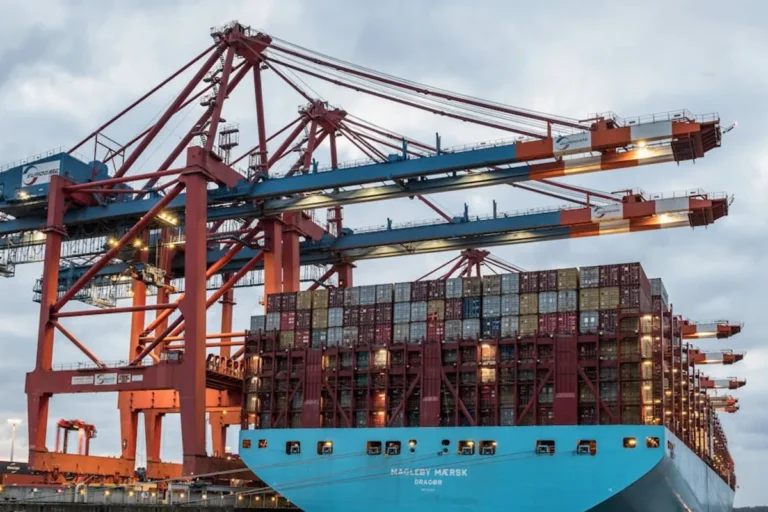
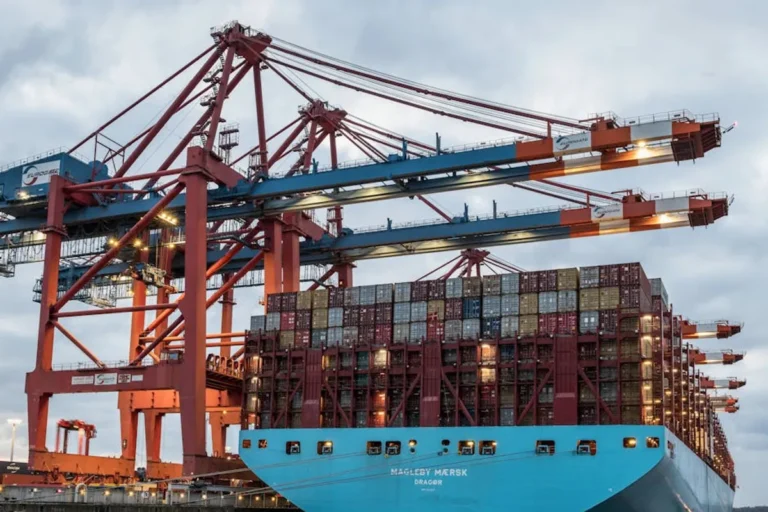
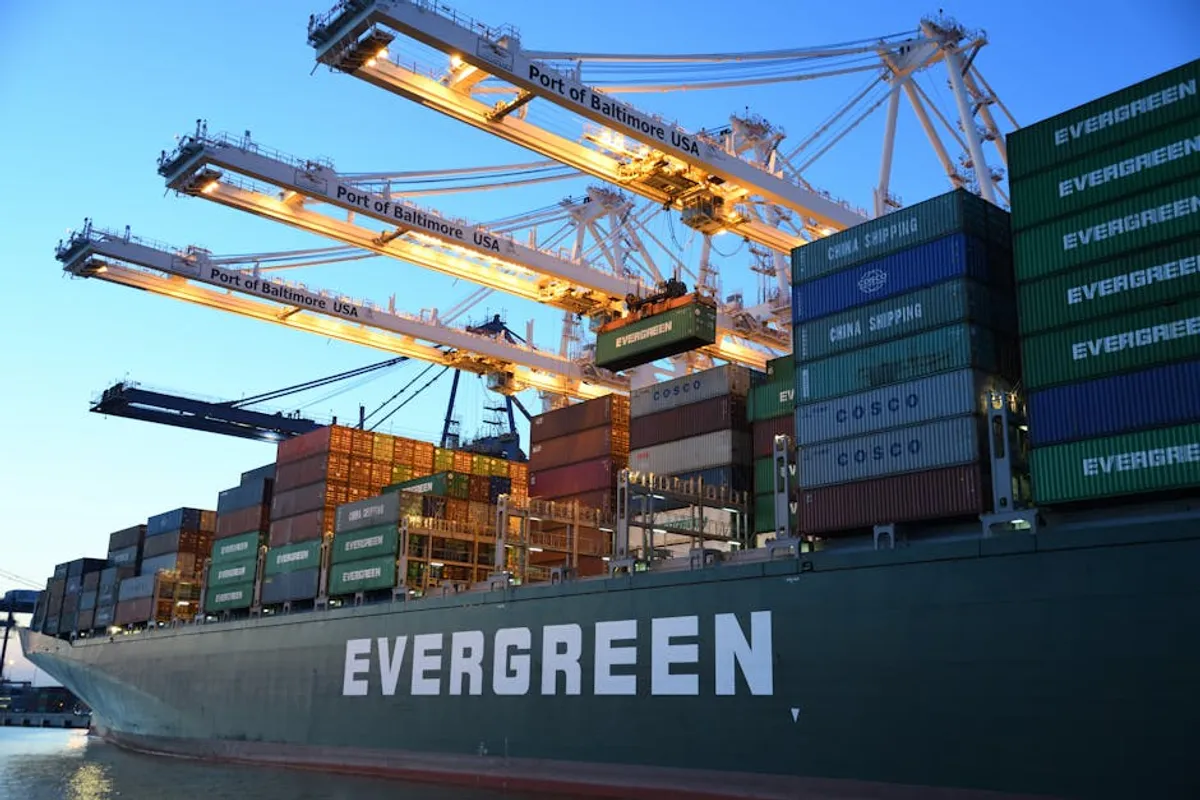
Port congestion refers to an accumulation of vessels, cargo, or both, at a port that exceeds its operational capacity. This manifests physically as ships waiting at anchorages for berths to open, containers stacking up in yards beyond their designated storage capacity, and trucks experiencing extended wait times for pickup or delivery. The core issue is an imbalance: demand for port services (berthing, unloading, loading, storage, inland transport) outstrips the available infrastructure, labor, or equipment at a given time.
Primary Causes
Multiple factors contribute to port congestion, often in combination:
- Sudden Demand Surges: Unexpected increases in trade volume, often tied to economic booms, seasonal peaks (e.g., holiday shopping), or post-disruption recovery, can overwhelm port infrastructure designed for more consistent flows.
- Labor Shortages: Insufficient numbers of dockworkers, crane operators, or truck drivers, whether due to strikes, health crises, or general scarcity, directly impede cargo movement.
- Infrastructure Limitations: Ports with outdated equipment, insufficient berth space, shallow channels, or inadequate storage yards cannot efficiently process large volumes. Road and rail links to and from the port also play a critical role; bottlenecks here prevent quick cargo evacuation.
- Adverse Weather Conditions: Severe weather events like hurricanes, typhoons, or dense fog can force port closures or significantly slow operations, creating immediate backlogs that persist for days or weeks.
- Geopolitical Events and Disruptions: Wars, trade disputes, or sanctions can re-route shipping lanes, concentrating traffic at alternative ports not equipped for the sudden influx.
- Equipment Malfunctions: Breakdowns of essential machinery, such as gantry cranes or straddle carriers, can halt or severely restrict cargo handling in specific areas of a port.
- Customs and Administrative Delays: Inefficient customs processes, documentation errors, or slow regulatory approvals can cause cargo to sit idle, occupying valuable space and contributing to yard congestion.
Direct Impacts on Exporters
Financial Ramifications
Port congestion directly translates into increased costs for exporters. These include:
- Demurrage and Detention Charges: Demurrage is a fee charged by shipping lines for containers remaining at the terminal beyond the allotted free time. Detention is a similar charge for holding carrier-owned equipment (containers) outside the terminal beyond the free period. Both can accumulate rapidly, significantly inflating shipping costs.
- Increased Freight Rates: When port capacity is strained, shipping lines face higher operational costs and reduced vessel turnaround times, which they often pass on to exporters through elevated freight charges.
- Storage Costs: If cargo cannot be moved promptly from the port, additional warehousing or storage fees may be incurred.
- Expedited Shipping Fees: To mitigate severe delays, exporters might opt for more expensive air freight or expedited ground transport, eroding profit margins.
Operational Disruptions
Beyond direct financial hits, congestion creates significant operational challenges:
- Delayed Shipments: The most immediate impact is late delivery, disrupting downstream supply chains and potentially leading to production halts for buyers.
- Supply Chain Instability: Unpredictable delays make accurate forecasting difficult, leading to inventory imbalances—either stockouts or excessive safety stock.
- Reputational Damage: Consistent delays can harm an exporter's reputation for reliability, making it harder to secure future contracts or retain existing clients.
Market and Customer Relations
The consequences extend to market position and customer trust:
- Lost Sales: If products arrive too late for seasonal markets or critical production schedules, sales opportunities are missed.
- Customer Dissatisfaction: Buyers expect timely delivery. Persistent delays lead to frustration, potential order cancellations, and a damaged commercial relationship.
- Erosion of Trust: A perception of unreliability can lead customers to seek alternative suppliers, impacting long-term business viability.
Strategies for Mitigating Congestion Risks
Proactive Planning and Communication
Exporters can implement several strategies to reduce their exposure to congestion risks:
- Diversify Ports of Call: Relying on a single port increases vulnerability. Identifying and utilizing alternative ports, even if slightly further inland, can provide flexibility when primary gateways are congested.
- Flexible Shipping Schedules: Building buffer time into delivery schedules allows for unexpected delays without missing critical deadlines. Avoid planning shipments with minimal lead time.
- Maintain Open Communication with Logistics Partners: Regular, transparent dialogue with freight forwarders, shipping lines, and customs brokers ensures early warnings of potential congestion and allows for collaborative problem-solving.
- Utilize Data Analytics: Employing tools that provide insights into historical port performance, real-time vessel tracking, and predictive analytics can help identify potential bottlenecks before they become critical.
Operational Adjustments
Specific operational tactics can also help:
- Pre-booking and Early Documentation: Booking vessel space well in advance and ensuring all export documentation is accurate and submitted promptly minimizes delays at the port.
- Optimizing Container Utilization: Efficiently loading containers to maximum capacity reduces the total number of containers an exporter needs to move, easing pressure on port resources.
- Consider Alternative Transport Modes: For time-sensitive or high-value goods, evaluating air freight or intermodal rail options, despite higher costs, can bypass severe port congestion.
Financial Preparedness
Financial safeguards are equally important:
Pro Tip: Negotiate shipping contracts that clearly define demurrage and detention free times, charges, and responsibilities. Consider incorporating clauses for extended free time during periods of known or anticipated congestion, or penalties for carriers failing to meet agreed-upon transit times due to their own operational inefficiencies.
Additionally, explore cargo insurance options that cover losses or damages incurred due to extended delays, though direct congestion costs like demurrage are often excluded unless specifically negotiated.
Leveraging Technology and Data
Real-time Visibility and Predictive Analytics
Technological advancements offer powerful tools for managing congestion. Real-time vessel tracking systems, port status dashboards, and predictive analytics platforms provide exporters with granular visibility into their shipments and potential bottlenecks. These tools can alert exporters to rising congestion levels at specific ports, allowing for proactive re-routing or adjustments to pickup schedules. The ability to anticipate delays, rather than merely react to them, is a significant advantage.
Digital Platforms and Collaboration
Digital booking platforms, electronic customs clearance systems, and shared data ecosystems facilitate faster, more accurate information exchange between all parties in the supply chain. This reduces manual errors and processing times, contributing to smoother cargo flow. Collaboration through shared platforms can also improve overall port efficiency by coordinating truck appointments and container movements more effectively.
Practical Measures for Exporters
To navigate port congestion effectively, exporters should integrate a multi-faceted approach. Begin by regularly reviewing your logistics network, identifying potential single points of failure, and establishing contingency plans for alternative routes or modes of transport. Foster strong, transparent relationships with all logistics providers, leveraging their insights into port conditions and operational challenges. Invest in or subscribe to data-driven platforms that offer real-time visibility and predictive capabilities, transforming reactive responses into proactive strategies. Finally, continuously educate your internal teams on the financial implications of congestion, ensuring that commercial decisions factor in potential shipping delays and associated costs.
Frequently Asked Questions
How long does port congestion typically last?
The duration of port congestion varies significantly, ranging from a few days due to a temporary weather event or equipment malfunction, to several weeks or even months in cases of severe labor disputes, infrastructure overloads, or sustained demand surges. The specific port, the cause of congestion, and the global shipping network's overall capacity all play a role.
What is the difference between demurrage and detention?
Demurrage is a charge applied by the shipping line for the use of their container while it remains inside the port terminal beyond the agreed free time. Detention, conversely, is a charge for the use of the shipping line's container while it is outside the port terminal, typically when an exporter or importer holds it for loading, unloading, or transit beyond the free period.
Can port congestion affect my customs clearance?
Yes, port congestion can indirectly impact customs clearance. While customs processes themselves may not be directly congested, the physical delay in cargo arriving at the clearance point, or the inability to access containers due to yard congestion, can prolong the overall clearance timeline. Delays can also lead to increased storage costs at the port while waiting for clearance to be completed.
Are there government resources for managing congestion?
Many governments and international trade organizations monitor port performance and may offer resources such as port status updates, economic reports on trade flows, or even initiatives to improve infrastructure. Exporters should consult their national trade agencies and port authorities for relevant information and potential support programs.