Cargo Tracking vs Export Compliance: Key Differences Explained
Cargo tracking monitors goods' physical movement for efficiency, while export compliance ensures legal adherence to international trade laws, preventing.
Anneke is a trade journalist who has spent the past twelve years covering ocean freight, port operations and the chartering market from Rotterdam. She started on the desk at a Dutch logistics weekly, did a stint covering bunker markets and IMO regulation, and now writes the kind of straight-talking shipping copy that chartering managers and port officials actually read on a Monday morning. The reporting here is sourced from shipping lines, terminal operators, ship managers, broker desks and the regulators who set the rules everyone else has to live with. No press-release journalism, no rankings of the world's most reliable carriers, no breathless coverage of the next mega-vessel order. Just the trade-press work that the industry has always relied on and that a smaller number of outlets continue to do properly.
Page 6 of 28 334 articles total
Cargo tracking monitors goods' physical movement for efficiency, while export compliance ensures legal adherence to international trade laws, preventing.
Understand last-mile delivery's critical role for B2B companies. This practical guide covers challenges, optimization strategies, and its impact on customer.
Cold chain logistics is a critical, temperature-controlled supply chain for B2B companies handling perishable goods, pharmaceuticals, or sensitive chemicals.
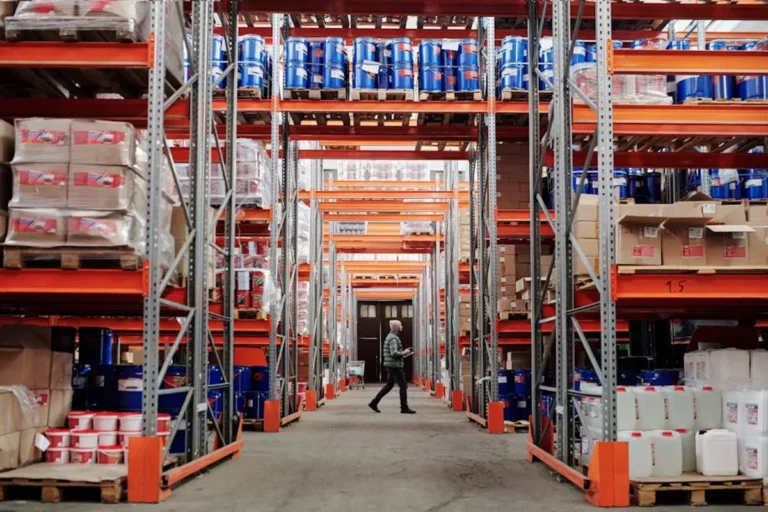
Warehouse logistics for manufacturers involves managing the flow of goods from raw materials to finished products, impacting efficiency, costs, and market.
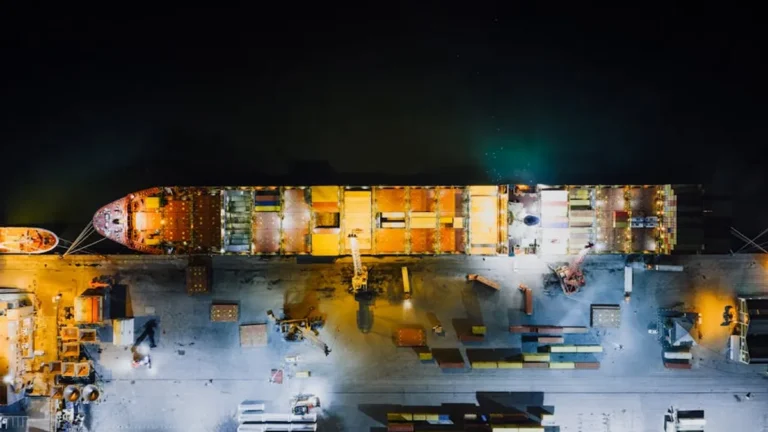
This practical guide for exporters explains what maritime insurance is, its critical types of coverage, factors influencing premiums, and essential steps to.
Maritime cybersecurity protects digital assets from threats, while cargo tracking monitors physical goods.
Avoid costly customs clearance mistakes. Learn to identify and prevent common errors like misclassification, incomplete documentation, and neglected.
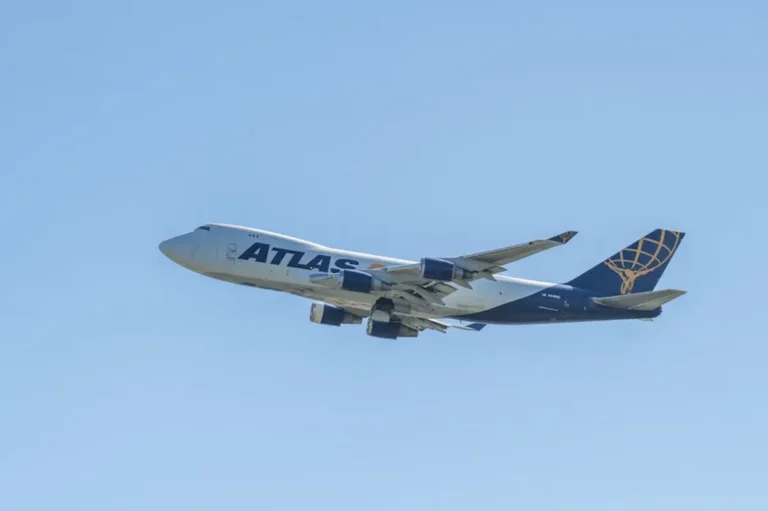
Businesses must understand evolving air freight trends like capacity shifts, sustainability demands, and digitalization to secure supply chains and manage.
Incoterms define commercial responsibilities and risk transfer in physical goods movement, while Maritime Cybersecurity protects digital systems from cyber.
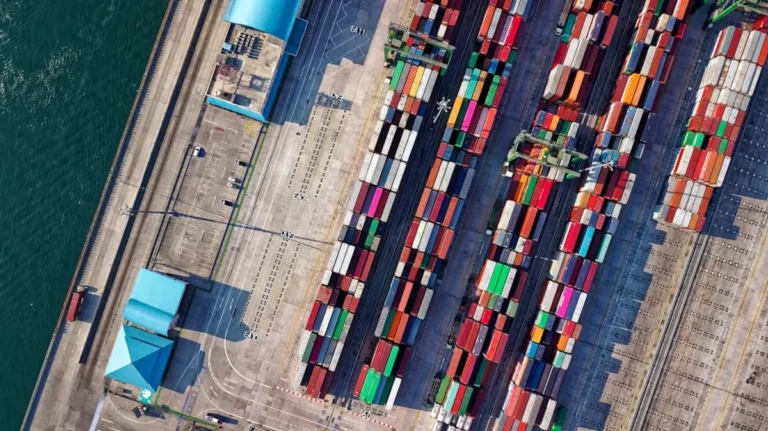
Importers frequently encounter costly errors when shipping goods in containers. Learn to avoid common pitfalls like documentation inaccuracies, improper.
Implementing effective green shipping practices is crucial for sustainability and operational efficiency.
Freight forwarding is a proactive service optimizing cargo movement, while shipping delays are disruptive events.