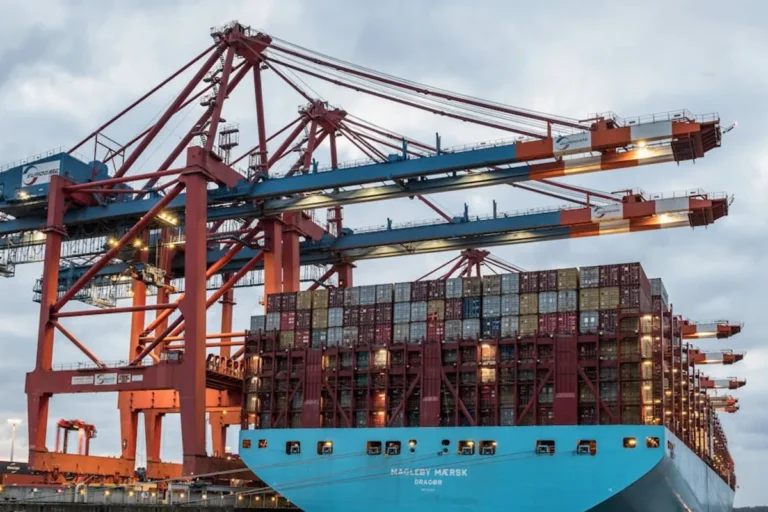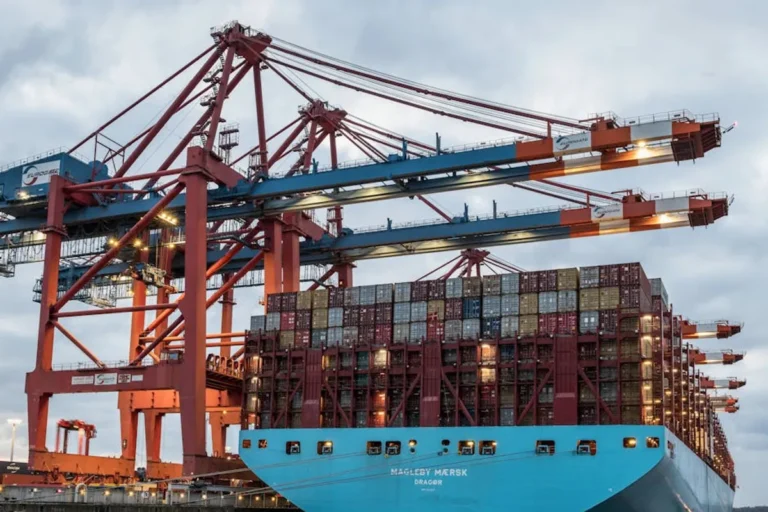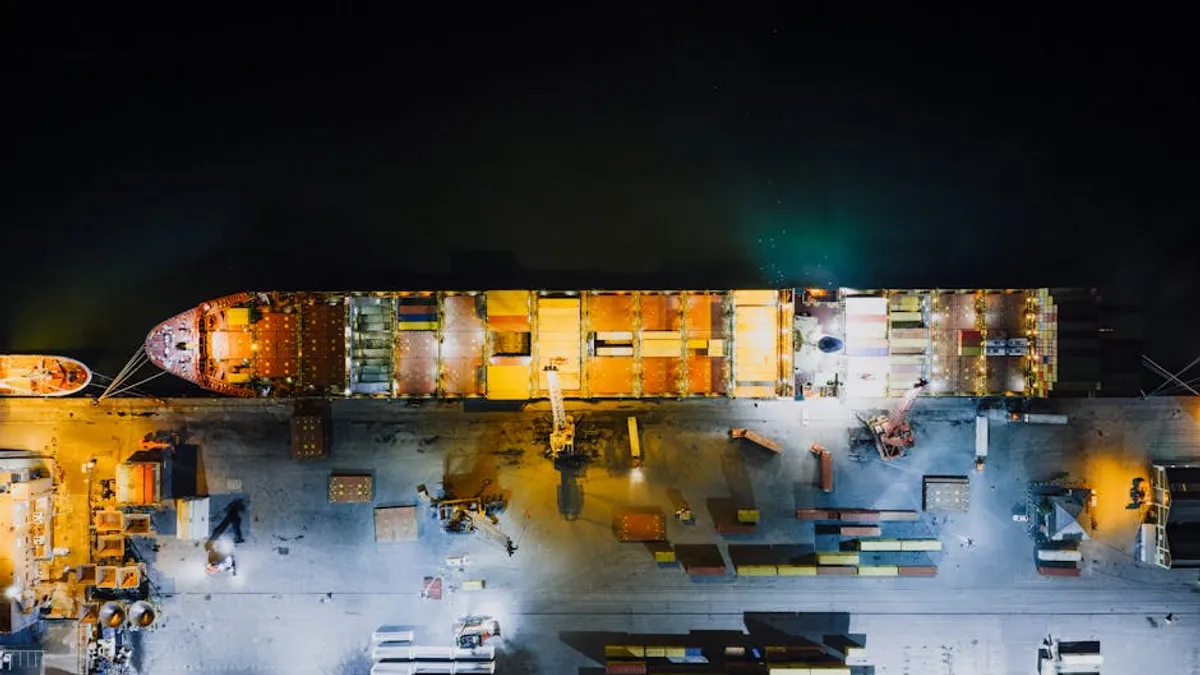
International trade inherently involves risk, from natural disasters to human error. For exporters, safeguarding goods during transit across oceans, land, and air is not merely a best practice; it is a critical financial imperative. Maritime insurance, often broadly encompassing marine insurance, provides this essential protection, covering potential losses or damages to cargo, vessels, and even freight revenue. Understanding its nuances is fundamental for any exporter looking to mitigate financial exposure and ensure business continuity in the complex landscape of global logistics. Safeguarding goods also means being aware of port congestion issues.
Understanding Maritime Insurance Fundamentals
Maritime insurance is a specialized contract designed to protect against financial losses arising from perils associated with sea, air, and land transit within an international shipping context. While "marine insurance" traditionally referred specifically to sea voyages, "maritime insurance" has evolved to cover the entire multimodal journey of goods from origin to destination, including port operations, land transport legs, and air freight, when part of an international shipment. Maritime insurance is closely tied to the overall shipping documentation process.
The core principle is indemnity: the insurer aims to put the insured back in the same financial position they were in before the loss occurred, not to profit from the loss. Key components often covered include:
- Perils of the Sea: Storms, collisions, sinking, stranding, and other maritime accidents.
- Jettison: The act of throwing goods overboard to lighten a ship in distress.
- Piracy: Loss or damage due to acts of piracy.
- Fire and Explosion: Damage caused by onboard fires or explosions.
- Theft and Non-delivery: Loss due to criminal acts or goods failing to reach their destination.
- General Average: A principle where all parties involved in a sea venture (ship owner, cargo owners) proportionally share losses resulting from a voluntary sacrifice of part of the ship or cargo to save the whole in an emergency.
Essential Types of Coverage for Exporters
While maritime insurance encompasses various policy types, exporters primarily focus on cargo insurance. However, understanding other forms provides crucial context for the overall shipping ecosystem.
Cargo Insurance
This is the most direct and vital form of maritime insurance for exporters, protecting the goods themselves. Policies are typically categorized by the Institute Cargo Clauses (ICC), issued by the International Underwriting Association of London, which define the scope of coverage:
Institute Cargo Clauses (A) – "All Risks" Coverage:
Coverage: The broadest form, covering all risks of loss or damage to the cargo, except for specific exclusions. This includes risks like rough handling, water damage, theft, and non-delivery, in addition to major casualties.
Best for: High-value goods, fragile items, or shipments to regions with higher transit risks. This clause offers the most comprehensive protection against unforeseen events.
Institute Cargo Clauses (B) – "With Average" Coverage:
Coverage: A more restrictive policy than ICC (A). It covers named perils such as fire, explosion, stranding, sinking, collision, jettison, washing overboard, entry of sea/lake/river water into the vessel, total loss of any package lost overboard or dropped during loading/unloading. It also covers general average and salvage charges.
Best for: Goods that are less susceptible to minor damages but still require protection against major accidents and water-related incidents.
Institute Cargo Clauses (C) – "Free From Particular Average" Coverage:
Coverage: The most restrictive form, covering only major casualties like fire, explosion, stranding, sinking, collision, and jettison. It excludes losses due to heavy weather, theft, or non-delivery unless directly caused by one of the named major casualties.
Best for: Low-value, non-perishable, or robust goods where the cost of broader insurance might outweigh the perceived risk, or for exporters operating on very tight margins who can absorb minor losses.
Other Relevant Coverages (Contextual for Exporters)
While not directly purchased by most exporters, these policies ensure the vessel and its operations, indirectly affecting cargo safety and delivery schedules:
- Hull and Machinery (H&M) Insurance: Covers physical damage to the vessel itself, including its machinery and equipment. This protects the ship owner.
- Freight Insurance: Covers the loss of freight charges if the cargo is not delivered, protecting the carrier or the party responsible for freight payment.
- Protection & Indemnity (P&I) Insurance: Provides liability coverage for third-party claims, such as injury to crew or passengers, pollution, cargo damage for which the carrier is liable, and damage to port facilities.
Factors Influencing Premium Costs
The cost of maritime insurance is not static; it varies based on several critical factors that assess the overall risk profile of a shipment:
- Nature of Goods: Perishable, hazardous, or high-value goods typically incur higher premiums due to increased risk of spoilage, accident, or theft.
- Voyage Route and Destination: Routes through known piracy zones, politically unstable regions, or areas prone to severe weather conditions will command higher rates.
- Mode of Transport: While often multimodal, the primary leg (sea, air, or land) and specific carriers used can influence rates based on their safety records and operational standards.
- Packaging: Adequate and appropriate packaging reduces the likelihood of damage, potentially lowering premiums.
- Coverage Scope: As detailed with ICC (A), (B), and (C), broader coverage means higher premiums.
- Deductibles/Excess: A higher deductible chosen by the insured typically results in a lower premium.
- Claim History: Exporters with a history of frequent or large claims may face higher premiums.
Pro Tip for Exporters: Understanding Incoterms
Incoterms (International Commercial Terms) define the responsibilities of buyers and sellers for the delivery of goods under sales contracts. Crucially, they specify who is responsible for insuring the goods at each stage of the journey. For instance, under CIF (Cost, Insurance and Freight) or CIP (Carriage and Insurance Paid To), the seller is responsible for arranging and paying for insurance. Under FOB (Free On Board) or EXW (Ex Works), the buyer typically assumes responsibility much earlier. Misunderstanding Incoterms can lead to uninsured cargo or duplicate insurance, resulting in unnecessary costs or uncovered losses. Always clarify and document the Incoterm for every shipment to ensure proper insurance allocation.
Practical Steps for Securing Maritime Insurance
Navigating maritime insurance effectively requires a proactive approach:
- Assess Your Risk: Evaluate the specific risks associated with your goods, chosen routes, and modes of transport. Consider the potential financial impact of various types of loss or damage.
- Understand Incoterms: Clearly define the Incoterm for each transaction to establish who is responsible for insurance at what point. This prevents gaps in coverage or unnecessary expenses.
- Choose the Right Coverage: Based on your risk assessment and Incoterm responsibilities, select the appropriate Institute Cargo Clauses (A, B, or C) that align with the value and vulnerability of your cargo.
- Work with a Specialist Broker: Maritime insurance can be complex. Engaging an experienced insurance broker specializing in marine cargo can provide access to competitive rates, tailored policies, and expert advice on claims procedures.
- Maintain Detailed Documentation: Keep meticulous records of all shipping documents, including bills of lading, commercial invoices, packing lists, and insurance certificates. These are essential for filing and substantiating any claims.
- Inspect Goods Upon Receipt: Advise consignees to inspect goods immediately upon arrival and document any damage with photos and detailed reports. Prompt notification of damage is crucial for successful claims.
Ensuring Uninterrupted Trade Flow
For exporters, maritime insurance is more than just a regulatory compliance item; it is a strategic tool for managing the inherent uncertainties of global commerce. By understanding the types of coverage available, the factors influencing costs, and the practical steps for implementation, exporters can protect their financial interests, maintain customer trust, and ensure the smooth flow of their international trade operations. Proactive risk management through informed insurance decisions safeguards against unforeseen events and contributes directly to business resilience.
Frequently Asked Questions
Is maritime insurance legally mandatory for all international shipments?
No, maritime insurance is not universally legally mandatory. However, it is often a contractual requirement under certain Incoterms (like CIF or CIP) or by the buyer. Even when not legally required, it is highly recommended to protect against significant financial losses.
What is the difference between "marine" and "maritime" insurance?
Historically, "marine insurance" strictly referred to risks associated with sea voyages. "Maritime insurance" is a broader term that has evolved to encompass all forms of transport (sea, air, land) when they are part of an international shipment, covering the entire journey from origin to final destination.
How do Incoterms affect my insurance responsibilities as an exporter?
Incoterms define the point at which risk and cost transfer from the seller to the buyer. This directly impacts who is responsible for arranging and paying for insurance. For example, under FOB, the buyer is typically responsible for insurance from the point goods are loaded onto the vessel, while under CIF, the seller is responsible for insuring the goods to the named port of destination.
What should I do if my cargo is damaged or lost during transit?
Immediately notify your insurance provider or broker. You will need to provide all relevant documentation, such as the bill of lading, commercial invoice, packing list, insurance certificate, and any evidence of damage (photos, surveyor reports). Prompt notification and thorough documentation are critical for a successful claim.