Warehouse logistics encompasses the entire system of managing the flow of goods within a manufacturing facility's storage areas, from receiving raw materials to dispatching finished products. For manufacturers, effective warehouse logistics directly impacts production efficiency, cost control, and responsiveness to market demands. It is not merely about storing items; it involves a strategic orchestration of space, labor, equipment, and information to ensure materials are available when needed and products move smoothly through the supply chain.
Core Components of Warehouse Logistics for Manufacturers
Understanding warehouse logistics requires breaking it down into its fundamental operational areas. Each component contributes to the overall efficiency and cost-effectiveness of the manufacturing process.
Receiving and Putaway
This initial stage involves the physical arrival of raw materials, components, or semi-finished goods at the warehouse. It includes unloading, inspection for damage or discrepancies against purchase orders, and accurate recording of incoming inventory. Putaway then directs these items to their designated storage locations based on factors like frequency of use, size, weight, and special handling requirements (e.g., temperature control, hazardous materials). Efficient receiving minimizes bottlenecks and ensures materials are quickly accessible for production.
Storage Management
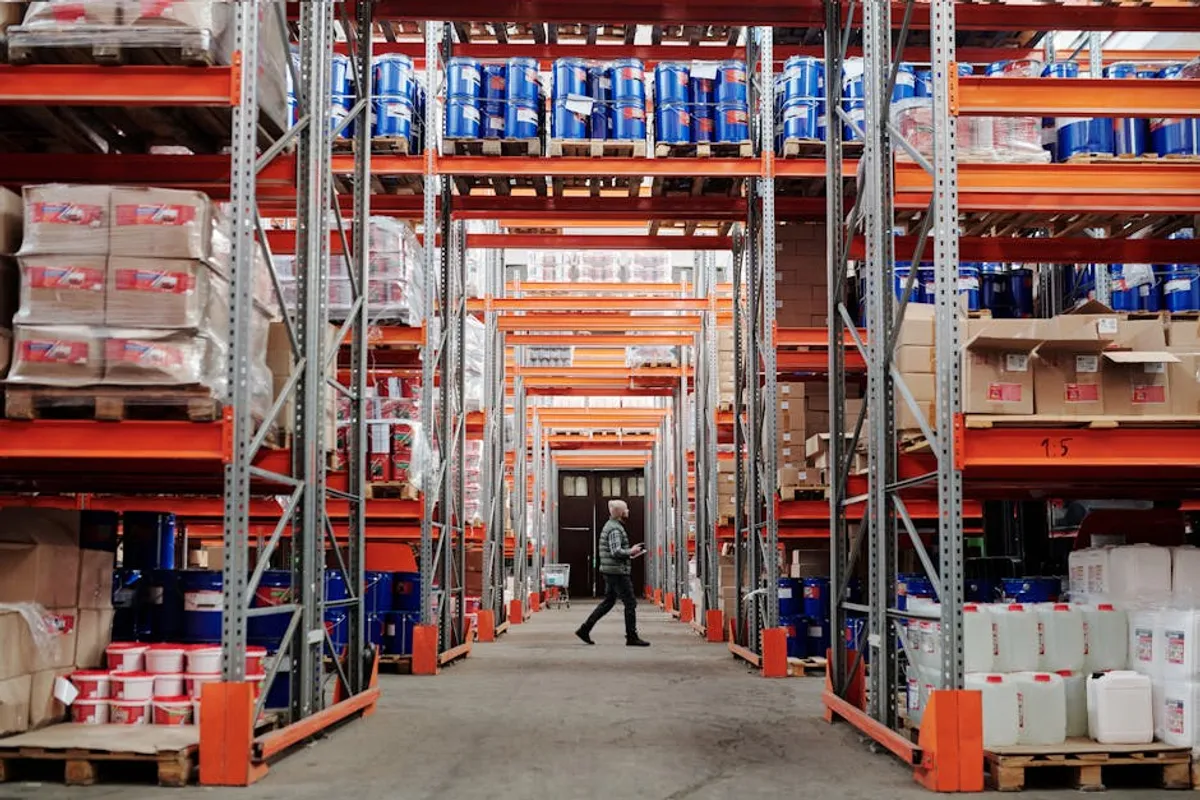
Storage management focuses on optimizing the use of warehouse space and maintaining the integrity of stored items. This involves selecting appropriate storage systems (racking, shelving, bulk storage), implementing clear location addressing, and ensuring proper environmental conditions. The goal is to maximize density without compromising accessibility, reduce travel time for retrieval, and prevent damage or obsolescence of inventory.
Order Picking and Packing
In a manufacturing context, "order picking" often refers to the retrieval of specific raw materials or components from storage for a production order. This can involve picking individual items, cases, or pallets. Packing then prepares these materials for internal transfer to production lines or, for finished goods, prepares them for shipment to customers. Accuracy in picking prevents production delays and rework, while efficient packing protects products during transit and optimizes shipping costs.
Shipping and Distribution
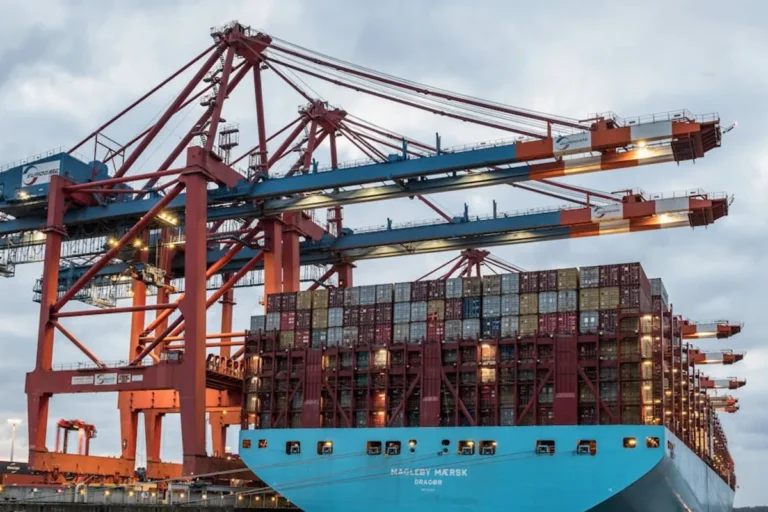
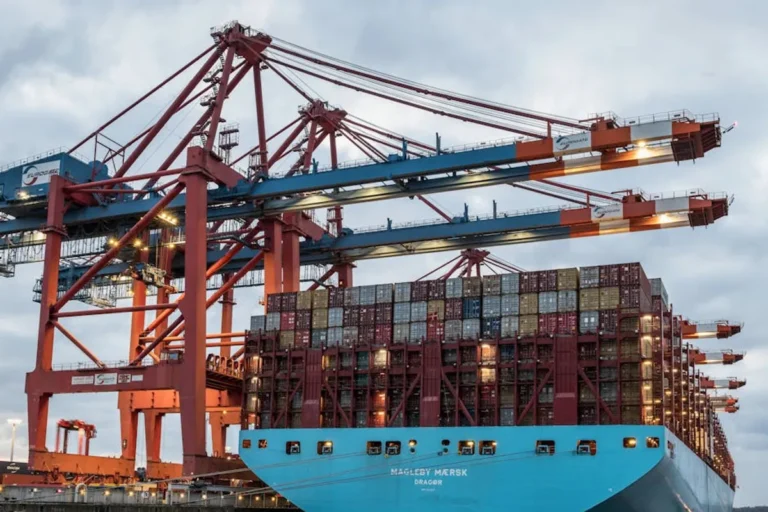
Once finished goods are produced and packed, shipping and distribution handle their final journey out of the warehouse. This includes loading products onto transport vehicles, generating necessary documentation (bills of lading, packing lists), and coordinating with carriers. For manufacturers, this stage is critical for meeting delivery schedules, managing freight costs, and ensuring products reach distributors or end-customers in optimal condition.
Inventory Control
Inventory control is the backbone of efficient warehouse logistics. It involves tracking stock levels, managing inventory turns, and implementing strategies like FIFO (First-In, First-Out) or LIFO (Last-In, First-Out) to minimize waste and ensure product freshness or compliance. Accurate inventory data supports production planning, reduces the risk of stockouts or overstocking, and informs purchasing decisions. This component often leverages technology for real-time visibility.
Key Principles for Effective Warehouse Logistics in Manufacturing
Manufacturers can significantly enhance their operational performance by adhering to several core principles in warehouse logistics.
- Layout Optimization: Design the warehouse floor plan to minimize travel distances for material handlers and equipment. This includes strategic placement of receiving, storage, and shipping areas relative to production lines.
- Technology Integration: Implement Warehouse Management Systems (WMS) to automate inventory tracking, optimize putaway and picking, and provide real-time data. Consider automation technologies like automated guided vehicles (AGVs) or robotic picking for high-volume, repetitive tasks.
- Process Standardization: Develop clear, documented procedures for all warehouse activities. Standard operating procedures (SOPs) reduce errors, improve training efficiency, and ensure consistent performance across shifts and personnel.
- Workforce Training: Invest in continuous training for warehouse staff on equipment operation, safety protocols, WMS usage, and best practices for material handling. A skilled workforce is less prone to errors and more adaptable to new systems.
- Data Analytics: Utilize data from the WMS and other systems to identify bottlenecks, measure key performance indicators (KPIs) like order fulfillment rates or inventory accuracy, and drive continuous improvement initiatives.
Pro Tip: When evaluating warehouse layout, consider a spaghetti diagram analysis. This visual tool maps the movement paths of materials and personnel, quickly highlighting inefficiencies, excessive travel, and potential collision points. Optimizing these paths can yield significant time and cost savings without major infrastructure changes.
Benefits for Manufacturers from Optimized Warehouse Logistics
Strategic warehouse logistics offers tangible commercial advantages that directly contribute to a manufacturer's bottom line and market competitiveness.
Reduced Operating Costs: Streamlined processes, optimized space utilization, and reduced manual labor through automation directly lower operational expenses. Less time spent searching for materials or correcting errors translates to lower labor costs and fewer wasted resources.
Improved Production Flow: With materials accurately located and readily available, production lines experience fewer interruptions due to stockouts or delays. This ensures a smoother, more predictable manufacturing schedule and higher throughput.
Enhanced Customer Satisfaction: For finished goods, efficient shipping and distribution mean faster, more reliable deliveries. This directly impacts customer loyalty and can be a significant differentiator in competitive markets.
Better Inventory Accuracy: Robust inventory control systems minimize discrepancies between physical stock and recorded inventory. This reduces the need for emergency orders, prevents stockouts, and frees up capital tied up in excess inventory.
Increased Agility and Responsiveness: An optimized warehouse can adapt more quickly to changes in demand, production schedules, or supply chain disruptions. Manufacturers can scale operations up or down more effectively, responding to market shifts with greater flexibility.
Implementing a Robust Warehouse Logistics Strategy
Developing an effective warehouse logistics strategy involves a structured approach.
- Assessment and Planning: Begin by auditing current warehouse operations. Identify pain points, bottlenecks, and areas of inefficiency. Define clear objectives, such as reducing picking errors by 15% or improving inventory accuracy to 99%.
- Technology Selection: Research and select appropriate technologies, primarily a WMS, that align with your operational needs and budget. Consider scalability and integration capabilities with existing ERP or production systems.
- Phased Implementation: Avoid trying to overhaul everything at once. Implement changes in phases, starting with areas that offer the highest potential for immediate impact or are less disruptive. This allows for testing, adjustments, and staff adaptation.
- Continuous Improvement: Warehouse logistics is not a set-and-forget operation. Regularly review performance metrics, gather feedback from staff, and look for opportunities to refine processes, adopt new technologies, or re-evaluate layout configurations.
Optimizing Your Warehouse Operations
For manufacturers, a well-managed warehouse is an asset that directly supports production goals and market responsiveness. By focusing on efficient receiving, intelligent storage, precise material handling, and robust inventory control, manufacturers can transform their logistics from a cost center into a strategic advantage. The continuous application of technology, process standardization, and data-driven decision-making ensures that warehouse operations remain agile and contribute directly to overall business success. Effective warehouse operations rely on shipping logistics best practices to streamline the supply chain.
Frequently Asked Questions
What is the primary goal of warehouse logistics for a manufacturer?
The primary goal is to ensure the efficient, cost-effective, and timely flow of materials and finished goods within the manufacturing supply chain, supporting production schedules and meeting customer delivery expectations.
How does a Warehouse Management System (WMS) benefit manufacturers?
A WMS automates inventory tracking, optimizes storage locations and picking routes, manages labor, and provides real-time data on stock levels and movements, leading to improved accuracy, efficiency, and reduced operational costs.
What are common challenges in warehouse logistics for manufacturers?
Common challenges include managing fluctuating demand, optimizing limited physical space, addressing labor shortages, integrating new technologies with existing systems, and maintaining accurate inventory across diverse product lines.
What is the difference between warehouse logistics and supply chain management?
Warehouse logistics focuses specifically on the operations within a warehouse facility, while supply chain management is a broader concept that encompasses the entire flow of goods and information from raw material sourcing to final customer delivery, including transportation, procurement, and production planning.