Businesses relying on international trade and rapid delivery schedules must actively monitor air freight dynamics. The sector is a critical, high-speed component of global supply chains, directly influencing inventory levels, time-to-market, and ultimately, profitability. Understanding the prevailing trends is not merely an academic exercise; it provides actionable intelligence for strategic sourcing, logistics planning, and risk mitigation. This year presents a complex interplay of economic pressures, technological advancements, and shifting geopolitical landscapes, all of which reshape how goods move through the air.
Capacity Management and Demand Volatility
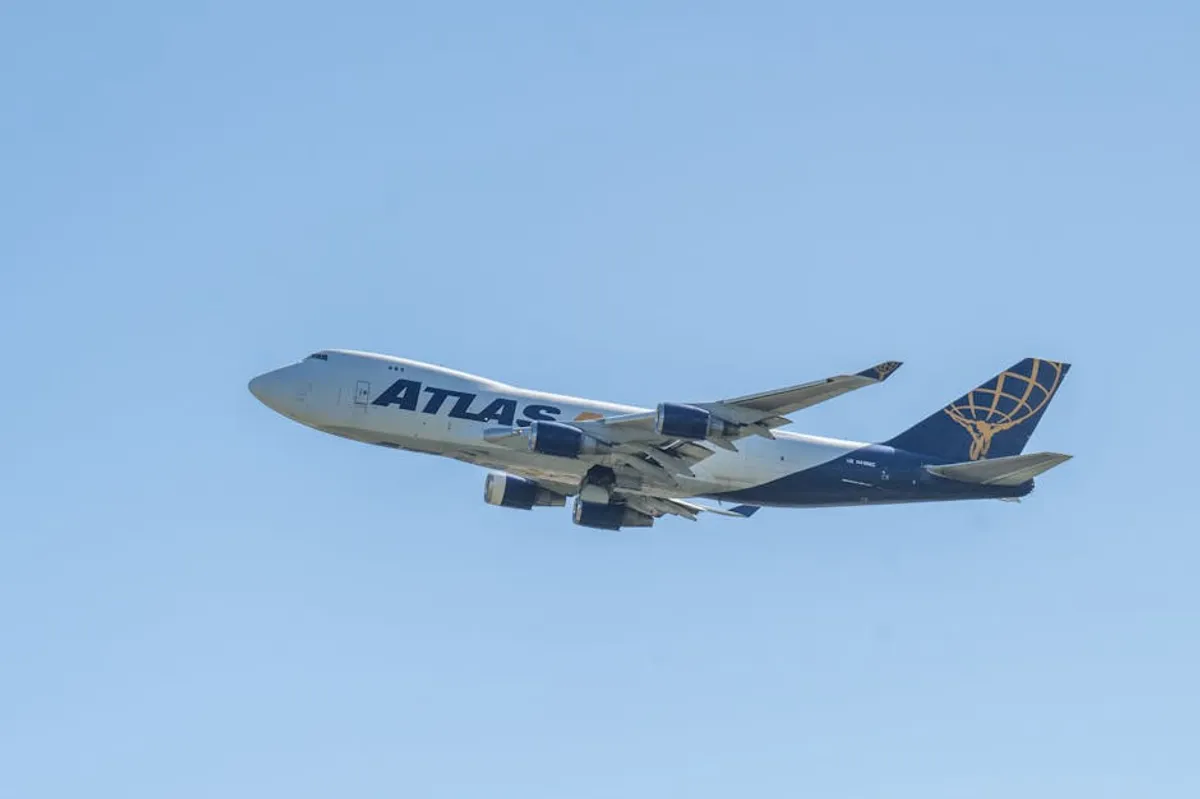
The air freight market continues to navigate significant capacity fluctuations, a direct consequence of global economic shifts, geopolitical events, and evolving consumer demand patterns. Passenger belly cargo, historically a substantial contributor to air freight capacity, remains subject to the recovery pace of international travel routes. Dedicated freighter fleets have expanded, yet their deployment is often strategic, prioritizing high-volume or high-value corridors.
Pricing Dynamics and Spot Market Volatility
Capacity imbalances directly translate into pricing volatility. The spot market for air freight can experience rapid swings, making long-term budgeting challenging for shippers. Contract rates, while offering more stability, often include fuel surcharges and other variable components that reflect underlying market conditions. Businesses must analyze their shipping profiles to determine the optimal balance between spot market flexibility for urgent or unexpected shipments and contract stability for regular volumes. This involves assessing the cost implications of guaranteed space versus potential savings on a fluctuating spot market.
Inventory Management Implications
The unpredictability in air freight capacity and pricing necessitates a re-evaluation of inventory strategies. Just-in-time (JIT) models, while efficient in stable environments, become vulnerable during periods of constrained capacity or disrupted routes. Businesses are increasingly exploring hybrid models, incorporating strategic buffer stock for critical components or high-demand finished goods, particularly for products with long lead times or those sourced from regions prone to disruption. This shift aims to balance carrying costs against the risks of stockouts and production delays.
Sustainability Imperatives and Green Logistics
Environmental concerns continue to drive significant changes in air freight operations. Stakeholders, including regulators, investors, and end-consumers, are demanding more sustainable practices. This pressure manifests in various forms, from calls for reduced emissions to increased transparency in carbon footprint reporting.
Sustainable Aviation Fuel (SAF) Adoption
Sustainable Aviation Fuel (SAF) is a primary focus for decarbonizing air transport. While still a small percentage of overall fuel consumption, its production and adoption are scaling. Airlines are increasingly setting SAF targets and offering shippers options to utilize SAF-backed services, often at a premium. For businesses, evaluating these options involves balancing the higher cost of SAF against corporate sustainability goals, brand perception, and potential regulatory incentives or penalties related to Scope 3 emissions. Proactive engagement with carriers on SAF programs can differentiate a brand in environmentally conscious markets.
Carbon Reduction Targets and Reporting
Many carriers and logistics providers are establishing ambitious carbon reduction targets, often aligned with international frameworks. This drives investment in more fuel-efficient aircraft, optimized flight paths, and ground operations. Shippers are increasingly expected to provide data for their own Scope 3 emissions reporting, making transparent carbon accounting from their air freight partners essential. This trend pushes businesses to select carriers that can provide detailed, verifiable emissions data and demonstrate a clear path towards decarbonization, impacting procurement decisions beyond just transit time and cost.
Digitalization and Advanced Automation
Technological advancements are transforming air freight operations, moving towards greater efficiency, transparency, and predictive capabilities. The integration of digital tools aims to streamline processes, reduce manual errors, and provide real-time insights across the supply chain.
AI-Driven Optimization
Artificial intelligence (AI) and machine learning (ML) are being deployed for various optimization tasks. This includes predictive analytics for demand forecasting, dynamic pricing models, and route optimization that considers weather patterns, air traffic, and fuel efficiency. For shippers, this translates into potentially more accurate lead time estimates, better cost predictability, and the ability to react more swiftly to unforeseen disruptions. The commercial benefit lies in improved operational planning and reduced expediting costs.
Enhanced Visibility with IoT and Blockchain
- Internet of Things (IoT) sensors: Provide real-time data on cargo location, temperature, humidity, and shock, critical for sensitive or high-value goods. This granular visibility enables proactive intervention and reduces spoilage or damage claims.
- Blockchain technology: Offers a decentralized, immutable ledger for tracking shipments and documentation. This enhances security, reduces fraud, and accelerates customs clearance processes by creating a single source of truth for all parties involved in a shipment.
- Digital booking platforms: Streamline the quoting and booking process, offering instant access to rates and capacity, reducing administrative overhead and accelerating decision-making for logistics managers.
Pro Tip: To mitigate air freight risks, diversify your carrier portfolio and actively engage with multiple logistics partners. Relying on a single provider, even one with competitive rates, can expose your supply chain to significant vulnerabilities during unexpected disruptions or peak seasons. Establish relationships with secondary and tertiary carriers to ensure flexibility and maintain continuity of service.
E-commerce Growth and Express Shipping Demands
The sustained expansion of global e-commerce continues to exert pressure on air freight networks, particularly for express and time-definite services. Consumers expect rapid delivery, driving the need for faster transit times and more efficient last-mile solutions.
Cross-Border Fulfillment Challenges
Cross-border e-commerce relies heavily on air freight for speed, but it also introduces complexities related to customs, duties, and regional regulations. Air freight providers are investing in specialized e-commerce solutions, including simplified customs clearance processes and integrated fulfillment services. Businesses must evaluate these end-to-end solutions to ensure compliance, minimize delays, and provide a seamless customer experience, which directly impacts conversion rates and customer loyalty.
Last-Mile Integration
The efficiency of air freight is increasingly judged by its integration with last-mile delivery networks. The expectation for rapid delivery means that goods must move swiftly from air hubs to final destinations. This drives partnerships between air cargo carriers and regional last-mile specialists, as well as investment in strategically located regional distribution centers. For e-commerce businesses, understanding a carrier's last-mile capabilities is as crucial as its line-haul performance, directly affecting delivery speed and customer satisfaction metrics.
Strategic Considerations for Forward Planning
Navigating the evolving air freight landscape requires a proactive and adaptive approach. Businesses must move beyond simply reacting to market changes and instead build resilient, forward-looking logistics strategies.
This involves continuous market intelligence gathering to anticipate shifts in capacity, pricing, and regulatory environments. Regularly review and update your carrier contracts, ensuring they include clauses for flexibility and contingency. Evaluate the total cost of ownership for air freight, factoring in not just direct shipping costs but also inventory holding costs, potential stockout losses, and the impact of delivery speed on customer satisfaction. Integrating sustainability metrics into carrier selection is no longer optional but a commercial imperative that aligns with stakeholder expectations and long-term brand value.
Frequently Asked Questions
How will rising fuel costs impact air freight rates this year?
Rising fuel costs typically lead to increased fuel surcharges, directly impacting air freight rates. Businesses should anticipate these fluctuations and consider hedging strategies or negotiating fixed fuel components in long-term contracts to manage budgetary predictability.
What role does technology play in mitigating air freight supply chain risks?
Technology, including AI for predictive analytics, IoT for real-time tracking, and blockchain for secure documentation, enhances visibility, improves forecasting accuracy, and streamlines processes. This allows businesses to identify and respond to potential disruptions more quickly, reducing overall supply chain risk.
Are sustainable air freight options cost-prohibitive for smaller businesses?
While sustainable aviation fuel (SAF) options can carry a premium, the cost is decreasing as production scales. Smaller businesses can explore options like carbon offsetting programs or prioritize carriers with strong sustainability commitments, balancing cost with brand values and customer expectations. The long-term reputational benefits can outweigh marginal cost increases.
How can businesses prepare for unexpected air freight capacity shortages?
Preparation involves diversifying carrier relationships, maintaining strategic buffer stock for critical items, and exploring multimodal transport options. Proactive communication with logistics partners and leveraging digital platforms for real-time capacity insights are also essential for swift adaptation.