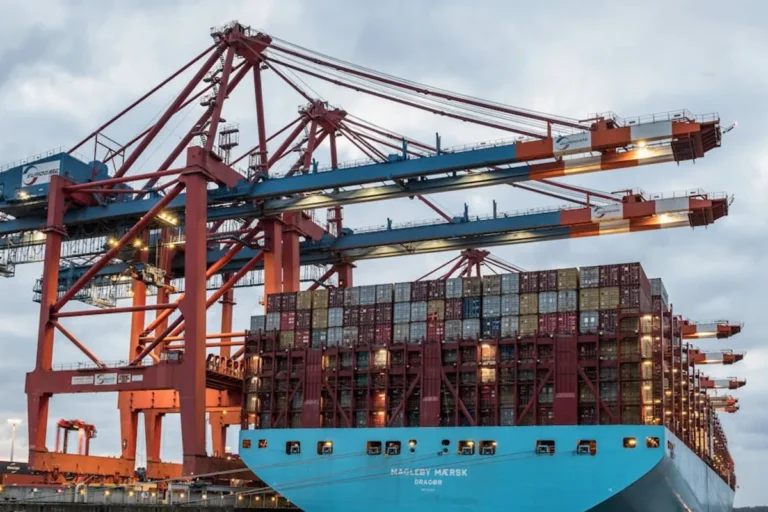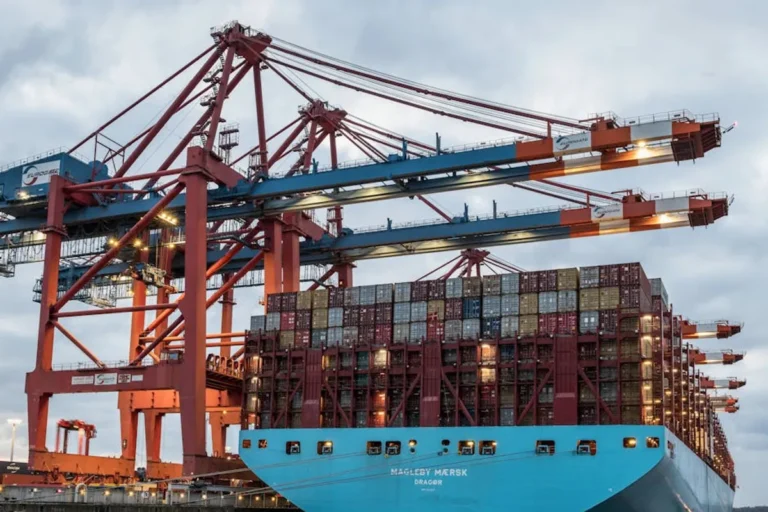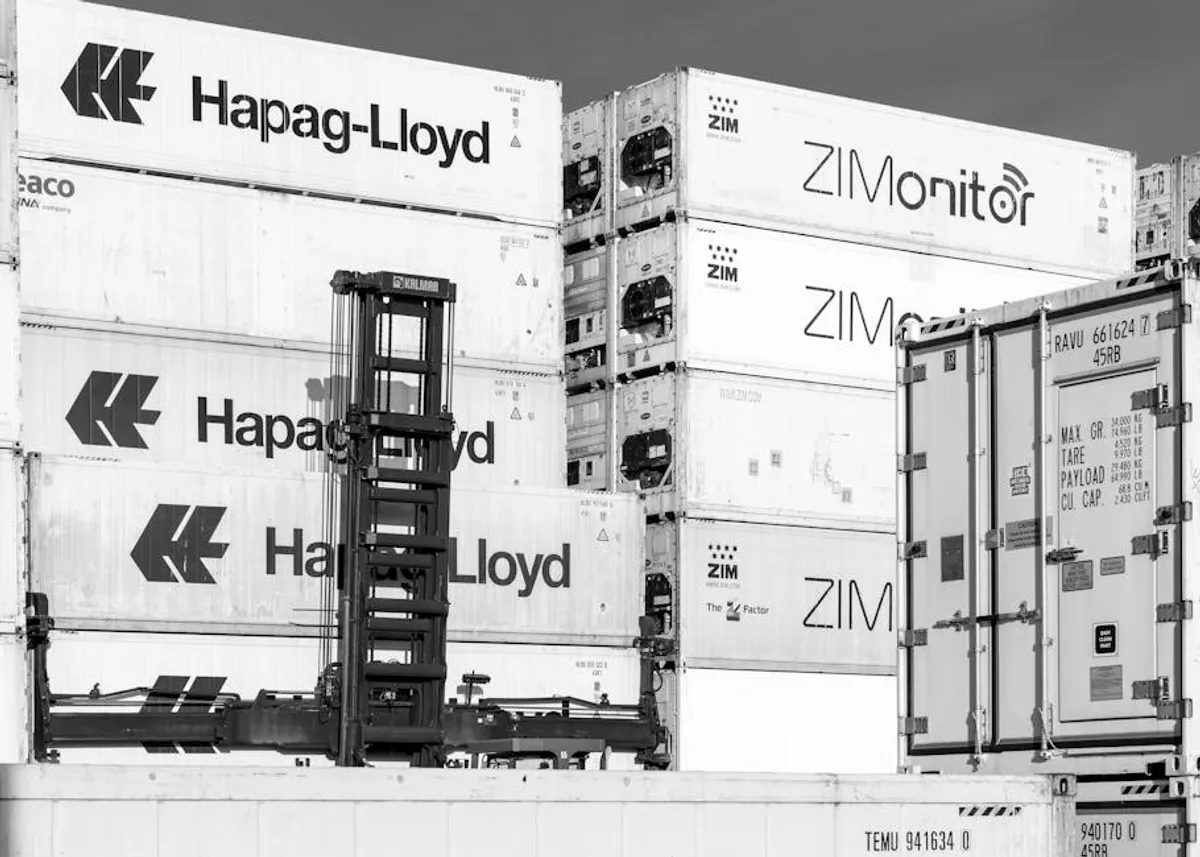
Importers navigating global supply chains face a complex array of regulations, logistical challenges, and potential pitfalls when utilizing shipping containers. The seemingly straightforward act of moving goods from origin to destination often conceals numerous opportunities for error, each carrying significant financial and operational consequences. Avoiding common mistakes is not merely about efficiency; it directly impacts landed costs, delivery timelines, and ultimately, customer satisfaction and brand reputation. Understanding these frequent missteps and implementing proactive measures can prevent costly delays, penalties, damaged goods, and strained business relationships, turning potential liabilities into predictable, manageable processes. Avoiding common ocean freight mistakes directly impacts landed costs and customer satisfaction.
Overlooking Essential Documentation
One of the most frequent and impactful errors importers make is failing to prepare, verify, and submit accurate and complete documentation. Each international shipment requires a precise paper trail, and any discrepancy can lead to customs holds, fines, or even seizure of goods. The Bill of Lading, Commercial Invoice, and Packing List form the foundational trio, but many shipments also require Certificates of Origin, phytosanitary certificates, import licenses, or specific declarations depending on the goods and destination country.
- Bill of Lading (BOL): This legal document acts as a contract between the shipper and carrier, a receipt for goods, and a document of title. Inaccuracies in consignee details, cargo description, or port of discharge can cause significant delays upon arrival.
- Commercial Invoice: Must accurately reflect the true value of the goods, including harmonized system (HS) codes, currency, and payment terms. Undervaluing goods to reduce duties is illegal and can result in severe penalties.
- Packing List: Provides detailed information about the contents of each package, including dimensions, weight, and marks. Customs relies on this for inspection and verification.
- Certificates of Origin: Essential for claiming preferential duty rates under free trade agreements. An incorrect or missing certificate means paying higher tariffs.
Impact: Delays at customs, demurrage and detention charges, fines, legal complications, and potential loss of goods.
To avoid: Establish a rigorous pre-shipment documentation checklist. Collaborate closely with suppliers and freight forwarders to ensure all parties understand their responsibilities for document accuracy and timely submission. Utilize digital platforms for document sharing and verification where possible, reducing manual errors.
Incorrect Container Type and Capacity
Selecting the wrong shipping container for specific cargo often leads to wasted space, increased costs, or damage to goods. Standard dry containers (20-foot and 40-foot) are suitable for most general cargo, but specialized goods require specific solutions. Refrigerated containers (reefers) are necessary for perishables, while open-top or flat rack containers accommodate oversized or irregularly shaped items that cannot be loaded through standard doors. Selecting the right container also involves understanding breakbulk cargo best practices for unique items.
Beyond type, misjudging internal capacity or weight limits is a common oversight. Overloading a container can result in structural damage to the container itself, safety hazards during transit, and fines. Conversely, underutilizing space means paying for empty air, increasing per-unit shipping costs.
Impact: Higher freight costs, cargo damage from improper environment or inadequate securing, safety risks, and regulatory fines.
To avoid: Provide detailed cargo specifications (dimensions, weight, special handling requirements, temperature sensitivity) to your freight forwarder. They can advise on the optimal container type and size. For dense cargo, prioritize weight limits; for bulky cargo, prioritize volumetric capacity. Consider consolidating smaller shipments into a full container load (FCL) if volume permits, or opting for less than container load (LCL) for smaller volumes, understanding the trade-offs in transit time and handling.
Substandard Packing and Loading Practices
The journey across oceans and land exposes cargo to significant movement, vibration, and potential impacts. Improper packing and loading are primary causes of damage. This extends beyond individual product packaging to how goods are secured within the container. Common mistakes include:
- Inadequate Dunnage: Failing to use airbags, wooden bracing, or foam to fill voids and prevent cargo shifting.
- Uneven Weight Distribution: Concentrating heavy items in one area can stress the container floor and affect vehicle stability during land transport.
- Poor Stacking: Stacking lighter items beneath heavier ones, or not securing stacked layers, leads to crushing or toppling.
- Ignoring ISPM 15: Using untreated wood packaging materials (pallets, crates) that do not comply with International Standards for Phytosanitary Measures No. 15, leading to rejection or mandatory fumigation.
Pro Tip: Always request photos or video documentation of the container loading process from your supplier. This visual record can be invaluable for insurance claims or identifying points of failure if damage occurs in transit. Verify that dunnage and securing methods are clearly visible.
Impact: Damaged goods, financial losses, customer dissatisfaction, and potential claims rejection by insurers.
To avoid: Provide clear packing and loading instructions to your suppliers. Emphasize the importance of proper dunnage, weight distribution, and secure strapping. Mandate ISPM 15 compliant wood packaging. Consider pre-shipment inspections of packing and loading processes for high-value or fragile goods.
Navigating Customs and Compliance Blind Spots
Customs regulations are dynamic and country-specific. Importers often stumble by assuming past practices apply universally or by not staying current with changes. Misclassifying goods using incorrect Harmonized System (HS) codes is a pervasive issue, directly impacting duties, taxes, and eligibility for preferential trade agreements. Furthermore, many countries have specific import restrictions or prohibitions on certain goods, materials, or chemicals, which, if overlooked, can lead to severe penalties or even criminal charges.
Impact: Unexpected duties and taxes, fines, delays, seizure of goods, and reputational damage.
To avoid: Invest in professional customs brokerage services. These experts specialize in navigating complex regulations, ensuring correct HS code assignment, and understanding specific import requirements. Regularly review trade agreements and regulatory updates relevant to your products and target markets. Conduct thorough due diligence on all imported goods to ensure they meet all safety, environmental, and labeling standards of the destination country.
Underestimating Cargo Insurance Needs
Many importers mistakenly believe that carrier liability provides sufficient protection against loss or damage. However, carrier liability is often limited by international conventions (e.g., Hague, Hague-Visby, Hamburg, or Montreal Rules) to a minimal amount per package or unit of weight, which rarely covers the full commercial value of the goods. Relying solely on this limited liability is a significant financial risk, especially for high-value shipments.
Impact: Unrecoverable financial losses in case of total loss, damage, or theft. Disputes with carriers over limited compensation.
To avoid: Always secure comprehensive cargo insurance that covers the full commercial value of your goods, including freight, duties, and a percentage for anticipated profit. Understand the terms of your policy, including covered perils, exclusions, and claims procedures. Work with an experienced cargo insurance broker to tailor coverage to your specific needs and risk profile.
Poor Communication and Planning
Effective international shipping hinges on clear, consistent communication between all parties: the importer, supplier, freight forwarder, and customs broker. A lack of transparent communication often leads to misunderstandings about timelines, responsibilities, and unexpected costs. Similarly, inadequate planning, such as last-minute booking, not accounting for port congestion, or failing to build in buffer times for potential delays, can derail entire supply chains.
Impact: Missed delivery deadlines, increased expedited shipping costs, strained supplier relationships, and operational inefficiencies.
To avoid: Establish clear communication protocols and expectations with all supply chain partners. Use shared platforms or regular check-ins to track shipment progress and address issues proactively. Plan shipments well in advance, considering peak seasons, holidays, and potential geopolitical disruptions. Understand and clearly define Incoterms for each shipment, as these dictate responsibilities for costs and risks at various points in the journey.
Mastering Container Import Logistics
Successfully importing goods via shipping containers demands meticulous attention to detail across multiple operational fronts. By proactively addressing potential pitfalls related to documentation, container selection, packing, customs compliance, insurance, and communication, importers can significantly reduce risks and optimize their supply chains. Implementing robust internal processes, leveraging expert partners, and prioritizing transparency will lead to more predictable, cost-effective, and resilient import operations.
Frequently Asked Questions
What is the most common documentation error importers make?
The most common error is providing an inaccurate or incomplete commercial invoice, particularly regarding Harmonized System (HS) codes and the declared value of goods, which directly impacts duties and compliance.
How can I ensure I choose the correct shipping container size?
Provide your freight forwarder with precise cargo dimensions (length, width, height) and total weight. They can then recommend the optimal container type and size, considering both volumetric and weight capacity limits.
Is it necessary to purchase separate cargo insurance?
Yes, it is highly recommended. Carrier liability is often minimal and will not cover the full commercial value of your goods in the event of loss or damage. Comprehensive cargo insurance protects your financial investment.
What are Incoterms and why are they important for importers?
Incoterms (International Commercial Terms) are globally recognized rules that define the responsibilities of buyers and sellers for the delivery of goods under sales contracts. They clarify who is responsible for costs, risks, and tasks like insurance, customs clearance, and freight, preventing disputes.