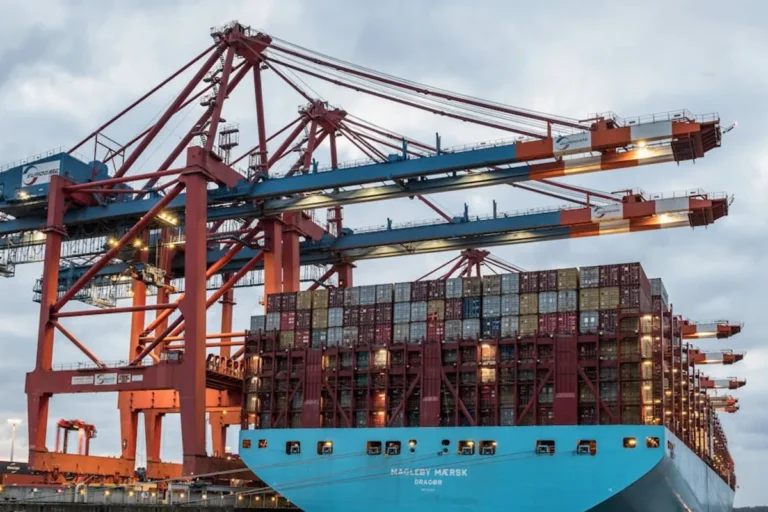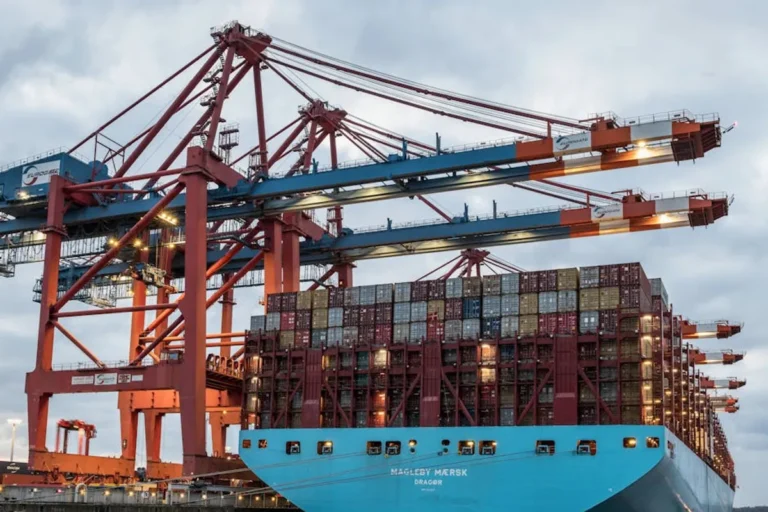
Managing green shipping is no longer a peripheral concern but a core strategic imperative for businesses navigating complex supply chains and increasing consumer and regulatory pressure. The shift towards sustainable logistics demands a proactive approach, integrating environmental responsibility with operational efficiency and commercial viability. This involves more than just a superficial commitment; it requires a deep dive into every facet of the shipping process, from initial planning to final delivery, to identify and implement practices that reduce ecological impact while maintaining or enhancing service levels. The goal is to balance environmental stewardship with economic performance, ensuring that green initiatives contribute directly to a stronger, more resilient business model. Understanding and adopting these best practices can differentiate a company in a competitive market, mitigate risks associated with climate change regulations, and foster long-term stakeholder trust.
Key Considerations for Green Shipping Management
Before diving into specific practices, effective green shipping management requires a foundational understanding of several core principles. First, data collection and analysis are paramount; without accurate metrics on emissions, fuel consumption, and waste generation, improvement efforts remain speculative. Second, a holistic perspective is essential, recognizing that changes in one part of the supply chain can have ripple effects elsewhere. Third, collaboration across the value chain – with suppliers, carriers, and customers – amplifies impact and distributes responsibility. Finally, continuous improvement, driven by regular audits and adaptation to new technologies and regulations, ensures sustained progress. Prioritizing these elements establishes a robust framework for implementing any green shipping initiative.
1. Route Optimization with Advanced Analytics
Implementing sophisticated route optimization software leverages real-time data on traffic, weather, and road conditions to calculate the most fuel-efficient and shortest paths for deliveries. This practice moves beyond static mapping, utilizing predictive analytics and machine learning algorithms to dynamically adjust routes, minimizing idle time, reducing mileage, and avoiding congested areas. The commercial benefit extends beyond fuel savings, encompassing reduced vehicle wear and tear, lower maintenance costs, and improved on-time delivery rates, which directly impact customer satisfaction and operational overhead.
Best for: Businesses with extensive fleets, frequent deliveries, or complex logistical networks seeking immediate and measurable reductions in fuel consumption and operational costs.
Pros: Significant and quantifiable fuel savings; reduced carbon emissions; improved delivery times and schedule adherence; enhanced fleet efficiency and asset utilization; lower operational expenditures.
Cons: Initial investment in advanced software and integration can be substantial; requires robust data infrastructure and skilled personnel for effective management; potential resistance from drivers accustomed to traditional routing methods.
Verdict: A foundational practice for any organization serious about green shipping, offering a clear return on investment through efficiency gains and environmental benefits, provided the necessary technological and human capital is in place.
2. Fleet Modernization and Alternative Fuels
Transitioning to a fleet composed of newer, more fuel-efficient vehicles or those powered by alternative fuels (electric, hydrogen, natural gas, biofuels) directly addresses emissions at their source. Modern vehicles incorporate advanced aerodynamic designs, lighter materials, and more efficient engines, while alternative fuels offer pathways to significantly lower or even zero tailpipe emissions. This practice requires a long-term capital investment strategy, but it aligns with evolving environmental regulations and can future-proof operations against rising fossil fuel costs and carbon taxes.
Best for: Companies with aging fleets, high annual mileage, or those operating in regions with strict emissions standards, looking to make a substantial, visible commitment to sustainability.
Pros: Drastic reduction in greenhouse gas emissions and air pollutants; potential for long-term fuel cost stability; enhanced brand image and compliance with future regulations; access to government incentives and subsidies for green vehicles.
Cons: High upfront capital expenditure for vehicle acquisition and charging/refueling infrastructure; limited range and payload capacity for some alternative fuel vehicles; availability of alternative fuels and maintenance expertise can be geographically restricted.
Verdict: A high-impact strategy for deep decarbonization, demanding significant investment but offering substantial environmental gains and long-term operational resilience against fuel price volatility and regulatory shifts.
3. Sustainable Packaging Solutions
Adopting packaging that is recyclable, biodegradable, compostable, or made from recycled content minimizes waste generation and resource depletion. This practice extends beyond material choice to include optimizing package size and design to reduce void fill and maximize shipping density. Efficient packaging not only lessens environmental impact but also reduces shipping costs by decreasing package weight and volume, simultaneously improving the unboxing experience for environmentally conscious consumers.
Best for: E-commerce businesses, manufacturers, and retailers where packaging plays a significant role in product protection and customer experience.
Pros: Reduced waste sent to landfills; lower material costs over time; improved brand perception and customer loyalty; potential for reduced shipping weight and volume, leading to lower freight costs; compliance with packaging waste directives.
Cons: Higher upfront cost for some sustainable materials; potential for reduced durability or shelf life compared to conventional packaging; requires careful testing to ensure product protection; consumer education may be necessary for proper disposal.
Verdict: An accessible and impactful green shipping practice that directly engages customers in sustainability efforts, offering both environmental and commercial benefits through cost savings and enhanced brand value.
4. Intermodal and Multimodal Transport Adoption
Integrating different modes of transport, such as rail, sea, and road, to move goods more efficiently is central to intermodal and multimodal strategies. Rail and sea freight are significantly more fuel-efficient per ton-mile than road transport, especially for long distances. This practice involves strategically combining these modes to leverage their respective strengths, using road transport primarily for first and last-mile delivery. The commercial advantage lies in reduced long-haul costs, lower emissions, and often greater capacity for bulk shipments.
Best for: Businesses shipping large volumes over long distances, particularly those with international supply chains or operating between major logistics hubs.
Pros: Substantial reduction in carbon emissions compared to exclusive road transport; lower long-haul freight costs; increased capacity for bulk shipments; reduced road congestion and associated delays; greater resilience against disruptions affecting a single transport mode.
Cons: Requires more complex coordination and planning; potential for longer transit times compared to direct road transport; dependence on robust intermodal infrastructure; higher risk of delays at transfer points.
Verdict: A powerful strategy for significant emissions reduction and cost savings on long-distance routes, contingent on meticulous planning and access to well-developed intermodal networks.
5. Carbon Accounting and Transparent Reporting
Establishing robust systems for measuring, tracking, and reporting greenhouse gas emissions across the entire shipping operation provides the necessary data for targeted reduction efforts and demonstrates accountability. This involves calculating Scope 1 (direct), Scope 2 (energy-related), and relevant Scope 3 (value chain) emissions. Transparent reporting, often aligned with frameworks like the GHG Protocol, builds trust with stakeholders, informs strategic decisions, and can meet growing demands from investors, customers, and regulators for environmental performance data.
Best for: All businesses aiming for credible sustainability claims, particularly those facing investor scrutiny, regulatory mandates, or strong consumer demand for transparency.
Pros: Provides a clear baseline for emissions reduction targets; identifies emission hotspots for focused intervention; enhances corporate transparency and credibility; supports compliance with emerging environmental reporting regulations; attracts environmentally conscious investors.
Cons: Can be data-intensive and complex to implement accurately across a diverse supply chain; requires specialized software or expertise; potential for greenwashing accusations if reporting is not backed by genuine action; initial investment in data collection and verification.
Verdict: An essential practice for strategic environmental management, transforming abstract sustainability goals into measurable, actionable objectives and fostering accountability across the organization.
6. Warehouse Energy Efficiency Initiatives
Optimizing energy consumption within warehouses and distribution centers significantly reduces the overall carbon footprint of shipping operations. This includes implementing LED lighting, installing smart HVAC systems, leveraging renewable energy sources like solar panels, and improving insulation. Beyond direct energy savings, these initiatives contribute to a healthier work environment and demonstrate a holistic commitment to sustainability that extends beyond just transport, impacting operating costs and corporate social responsibility metrics.
Best for: Companies owning or operating their own warehousing facilities, where energy consumption represents a substantial operational cost and environmental impact.
Pros: Direct reduction in energy bills and operational costs; lower Scope 2 emissions; improved working conditions for employees; enhanced corporate reputation; potential for government incentives for energy-efficient upgrades.
Cons: High upfront capital investment for major upgrades (e.g., solar panels, new HVAC systems); payback periods can be long; requires ongoing maintenance and monitoring to ensure efficiency; potential for disruption during installation.
Verdict: A commercially sound practice that delivers tangible cost savings and environmental benefits, reinforcing a company's commitment to sustainability across its fixed assets, though requiring careful financial planning.
7. Reverse Logistics Optimization
Efficiently managing the return of products, packaging, and materials back through the supply chain for repair, reuse, recycling, or proper disposal is a critical component of a circular economy. Optimized reverse logistics reduces waste, recovers value from returned goods, and minimizes the environmental impact associated with new production. This practice involves streamlining return processes, consolidating shipments, and partnering with recycling or refurbishment facilities, turning a traditionally costly operation into a potential source of value and sustainability.
Best for: Retailers, e-commerce platforms, and manufacturers with high return rates or products suitable for refurbishment and recycling.
Pros: Reduced landfill waste and environmental footprint; potential for value recovery from returned products; improved customer satisfaction through easier returns; enhanced brand image as a sustainable and responsible company; compliance with extended producer responsibility (EPR) regulations.
Cons: Can be logistically complex and costly to implement efficiently; requires dedicated infrastructure and processes; potential for increased transportation emissions if not carefully managed; challenges in product inspection and grading for reuse/resale.
Verdict: A strategic practice for circularity that mitigates waste and recovers value, transforming a necessary operational challenge into an opportunity for environmental and economic benefit, given proper planning and execution.
8. Supplier and Partner Collaboration for Green Initiatives
Extending green shipping practices beyond internal operations by actively engaging and collaborating with suppliers, carriers, and logistics partners creates a more sustainable end-to-end supply chain. This involves setting clear environmental performance expectations, sharing best practices, co-investing in green technologies, and jointly developing sustainable solutions. Such collaboration leverages collective resources and expertise, driving systemic change and ensuring that sustainability efforts are not isolated, but integrated across the entire value chain.
Best for: Companies with complex supply chains and a strong desire to influence upstream and downstream environmental performance.
Pros: Amplified environmental impact across the entire supply chain; fosters innovation and shared learning; strengthens relationships with key partners; mitigates supply chain risks related to environmental non-compliance; enhances overall brand reputation.
Cons: Requires significant effort in communication, negotiation, and relationship management; potential for resistance from partners unwilling or unable to adopt new practices; challenges in monitoring and verifying partner compliance; can be a lengthy process to achieve widespread adoption.
Verdict: A high-leverage practice for systemic sustainability improvement, essential for companies seeking to address their full Scope 3 emissions and build a truly resilient, green supply network.
9. Employee Training and Engagement in Sustainability
Educating and involving employees at all levels in green shipping initiatives fosters a culture of sustainability and ensures practices are consistently applied. This includes training drivers on eco-driving techniques, warehouse staff on energy-saving protocols, and administrative personnel on sustainable procurement. Engaged employees are more likely to identify opportunities for improvement, adhere to new procedures, and champion environmental goals, turning policy into practical action and driving bottom-up innovation.
Best for: All organizations, as employee buy-in is critical for the successful implementation and sustained impact of any green initiative.
Pros: Increased awareness and commitment to sustainability across the organization; improved adherence to green protocols; identification of new efficiency opportunities; enhanced employee morale and retention; supports a positive corporate culture.
Cons: Requires ongoing investment in training programs and resources; potential for initial resistance to new procedures; measuring direct ROI can be challenging; benefits are often intangible and cumulative.
Verdict: A foundational practice that underpins the success of all other green shipping efforts, transforming abstract goals into daily operational habits through a well-informed and motivated workforce.
10. Data-Driven Decision Making for Green Logistics
Leveraging analytics and business intelligence tools to make informed decisions about green logistics involves collecting and interpreting vast amounts of operational data. This includes fuel consumption rates, emissions per shipment, waste volumes, and energy usage patterns. By analyzing these metrics, companies can identify inefficiencies, forecast environmental impacts, and evaluate the effectiveness of green initiatives, moving beyond anecdotal evidence to concrete, measurable improvements. This practice enables continuous optimization and strategic investment in the most impactful areas.
Best for: Organizations with mature data infrastructure or a commitment to investing in analytical capabilities, seeking to optimize sustainability efforts with precision.
Pros: Enables precise identification of emission hotspots and inefficiencies; allows for accurate measurement of green initiative impact; supports evidence-based strategic planning and resource allocation; facilitates continuous improvement and optimization; enhances accountability and reporting accuracy.
Cons: Requires investment in data collection systems, analytical tools, and skilled data scientists; can be complex to integrate data from disparate sources; potential for data overload without clear objectives; requires a culture of data literacy.
Verdict: An indispensable practice for achieving optimal results in green shipping, transforming raw data into actionable insights that drive measurable environmental and economic performance improvements.
11. Renewable Energy Integration for Logistics Infrastructure
Transitioning logistics infrastructure, such as distribution centers, warehouses, and charging stations, to power sources derived from renewables like solar, wind, or geothermal energy significantly reduces Scope 2 emissions. This practice involves installing on-site renewable energy generation, purchasing renewable energy credits (RECs), or participating in green energy programs. It demonstrates a long-term commitment to decarbonization beyond just transport, contributing to energy independence and often providing a hedge against volatile energy prices.
Best for: Companies with significant owned or leased logistics real estate, especially those in regions with favorable conditions for renewable energy generation or access to green energy markets.
Pros: Substantial reduction in Scope 2 greenhouse gas emissions; long-term energy cost savings and price stability; enhanced brand reputation and leadership in sustainability; eligibility for government incentives and tax credits; reduced reliance on fossil fuels.
Cons: High initial capital investment for on-site generation; intermittency of some renewable sources requires backup or storage solutions; suitability depends on geographical location and available space; requires specialized expertise for installation and maintenance.
Verdict: A high-impact, capital-intensive practice that offers profound environmental benefits and long-term operational advantages, solidifying a company's commitment to a fully decarbonized supply chain.
12. Regulatory Compliance and Advocacy
Proactively understanding, complying with, and even advocating for stricter environmental regulations ensures a company remains ahead of the curve and contributes to broader industry sustainability. This involves monitoring evolving emissions standards, waste disposal laws, and carbon pricing mechanisms. Beyond mere compliance, actively participating in industry groups or policy discussions can shape future regulations, positioning the company as a thought leader and mitigating future compliance risks while fostering a level playing field for sustainable practices.
Best for: All businesses, particularly those operating in highly regulated sectors or across multiple jurisdictions, seeking to manage risk and influence policy.
Pros: Avoidance of fines and penalties for non-compliance; enhanced reputation as a responsible corporate citizen; potential to influence favorable regulatory outcomes; early adoption of best practices can create a competitive advantage; reduced long-term operational risk.
Cons: Requires dedicated resources for legal and policy monitoring; can be complex to navigate diverse international and local regulations; advocacy efforts may not always yield desired outcomes; potential for increased operational costs due to new regulations.
Verdict: An indispensable practice for risk management and strategic positioning, ensuring operational legality while actively shaping a more sustainable future for the entire shipping industry.
Measuring Success and Continuous Improvement in Green Shipping
Effective green shipping management is an iterative process, demanding continuous measurement and refinement. Success metrics should extend beyond simple emissions reductions to include tangible business outcomes. Key Performance Indicators (KPIs) like fuel efficiency (e.g., liters per 100 km or gallons per mile), carbon emissions per ton-mile, waste diversion rates, and the percentage of sustainable packaging used offer quantitative insights. Financial metrics, such as operational cost savings from optimized routes, reduced energy bills, and increased revenue from environmentally conscious customers, provide commercial justification. Regularly auditing these metrics against established baselines and industry benchmarks allows for performance evaluation. Implementing feedback loops from employees, partners, and customers ensures that practical insights drive ongoing improvements. Furthermore, staying abreast of technological advancements, emerging regulations, and evolving best practices through industry engagement and R&D investment is crucial for maintaining a competitive edge and continuously enhancing environmental performance.
Frequently Asked Questions about Green Shipping
What is green shipping?
Green shipping refers to the practice of minimizing the environmental impact of transporting goods through various strategies, including reducing greenhouse gas emissions, optimizing resource consumption, and minimizing waste generation across the entire supply chain.
Why is green shipping important for businesses?
Green shipping is crucial for businesses to meet increasing consumer demand for sustainability, comply with evolving environmental regulations, reduce operational costs through efficiency gains, enhance brand reputation, and mitigate risks associated with climate change and resource scarcity.
How can small businesses implement green shipping practices?
Small businesses can start with accessible practices like optimizing delivery routes, using sustainable packaging, consolidating shipments to reduce trips, partnering with eco-conscious carriers, and encouraging employee engagement in waste reduction and energy saving at their facilities.
What are the biggest challenges in adopting green shipping?
Key challenges include the high initial investment required for fleet modernization or infrastructure upgrades, the complexity of data collection and carbon accounting, the need for cross-functional and supply chain collaboration, and the potential for increased operational costs during transition phases.
Can green shipping save money?
Yes, many green shipping practices lead to significant cost savings over time. Route optimization reduces fuel consumption, sustainable packaging can lower material and shipping weight costs, and energy-efficient warehouses decrease utility bills. These operational efficiencies often provide a strong return on investment.