Businesses operating in today's global economy confront complex supply chain demands, where reliability directly impacts market competitiveness and customer satisfaction. The decision to integrate transshipment into a logistics strategy is not merely an operational choice; it is a fundamental pillar for building resilience against disruptions, managing costs, and optimizing delivery schedules. Understanding why transshipment matters involves recognizing its capacity to transform a rigid, point-to-point shipping model into a dynamic, adaptable network capable of navigating unforeseen challenges and leveraging economic efficiencies.
Core Concepts of Transshipment
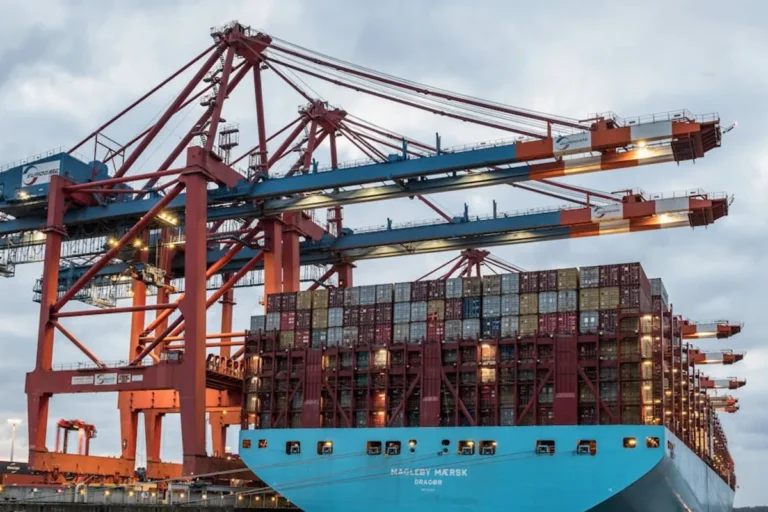
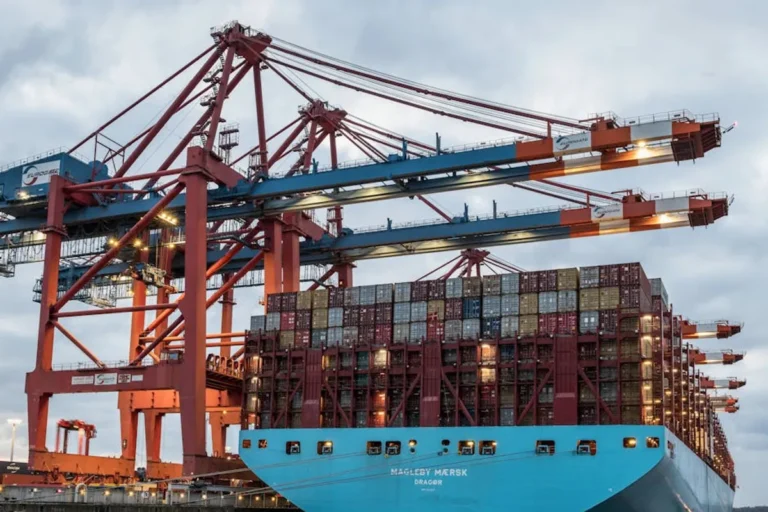
Transshipment refers to the process of shipping goods or containers to an intermediate destination, then transferring them to another ship, railcar, truck, or aircraft for onward shipment to their final destination. This intermediate stop is typically a major port or logistics hub, where cargo is consolidated, sorted, or redirected. Its primary function is to facilitate the movement of goods when a direct route is unavailable, uneconomical, or inefficient.
How Transshipment Differs from Direct Shipping
Direct shipping involves moving goods from their origin to the final destination without any intermediate stops for cargo transfer. While seemingly simpler, direct shipping often faces limitations such as infrequent service to certain ports, higher costs for less-than-container load (LCL) shipments on specific routes, or lack of capacity on direct vessels. Transshipment, by contrast, breaks down the journey into segments, allowing for greater flexibility in carrier selection, route optimization, and cargo consolidation. This distinction is crucial for managing diverse shipping needs across a global footprint.
Key Drivers for Utilizing Transshipment
The decision to employ transshipment is typically driven by several commercial imperatives. Cost reduction is a significant factor, as consolidating smaller shipments into larger vessels or utilizing more economical routes often leads to lower freight expenses. Market access is another driver, enabling businesses to reach destinations not served by direct routes or to access niche markets more efficiently. Furthermore, transshipment can enhance service frequency and transit times by leveraging major shipping lanes and hub-and-spoke networks, rather than waiting for less frequent direct services.
Strategic Advantages for Supply Chain Resilience
For organizations prioritizing supply chain resilience, transshipment offers distinct strategic advantages that extend beyond mere cost savings. These benefits contribute directly to a more robust and responsive logistics framework.
Cost Optimization and Efficiency Gains
Transshipment optimizes costs primarily through economies of scale. By consolidating cargo from multiple origins onto larger vessels for the main leg of the journey, carriers can achieve lower per-unit shipping costs. This is particularly beneficial for LCL shipments, which can be combined at a transshipment hub to fill full containers, thus reducing the premium associated with smaller volumes. Additionally, by routing cargo through strategic hubs, businesses can avoid less efficient or more expensive direct routes, leading to overall freight expenditure reductions.
Enhanced Route Flexibility and Capacity Management
The ability to reroute cargo through different hubs or modes of transport provides a critical layer of flexibility. When a primary shipping lane experiences disruption—due to port congestion, geopolitical events, or natural disasters—transshipment allows for agile adaptation. Cargo can be diverted to alternative ports or transferred to different carriers, minimizing delays and maintaining delivery schedules. This flexibility also aids in managing capacity, as businesses are not solely reliant on the availability of direct services, which can fluctuate based on demand and seasonality.
Risk Mitigation and Diversification
Diversifying shipping routes and carriers through transshipment inherently mitigates risk. Over-reliance on a single route or direct service exposes a supply chain to significant vulnerability. By distributing cargo movement across multiple points and pathways, the impact of a disruption in any single segment is contained. This strategy reduces the likelihood of complete supply chain paralysis, safeguarding inventory flow and customer commitments.
Operational Considerations and Challenges
While the strategic benefits are clear, successful implementation of transshipment requires careful attention to several operational aspects to avoid common pitfalls.
Selecting the Right Transshipment Hubs
The choice of transshipment hub is paramount. Ideal hubs offer excellent connectivity to various destinations, efficient port operations, robust infrastructure, and competitive service costs. Factors like geographic location, political stability, customs efficiency, and the availability of diverse shipping lines and onward transport options must be evaluated. A poorly chosen hub can negate cost savings through delays, increased handling charges, or additional risks.
Managing Customs and Regulatory Compliance
Each time cargo is transferred or enters a new customs territory, it introduces additional layers of regulatory compliance. Proper documentation, adherence to local customs procedures, and understanding of import/export regulations at each transshipment point are critical. Failure to manage these aspects can lead to significant delays, fines, and increased administrative burden. Businesses must ensure their logistics partners possess strong expertise in international trade compliance.
Data Visibility and Coordination Requirements
Effective transshipment relies heavily on real-time data visibility across the entire supply chain. Tracking cargo movement, monitoring transfers between carriers, and coordinating schedules at intermediate hubs demand sophisticated information systems. Lack of visibility can result in lost or delayed shipments, inefficient inventory management, and an inability to respond proactively to disruptions. Strong communication and coordination among all parties—shippers, carriers, and hub operators—are essential.
Pro Tip: When evaluating transshipment partners, prioritize those with robust digital tracking capabilities and a proven record of seamless data integration. Real-time visibility into cargo status at each transfer point is non-negotiable for maintaining control and proactively addressing potential delays before they escalate into significant disruptions.
Integrating Transshipment into a Robust Logistics Strategy
For businesses seeking to leverage transshipment effectively, a systematic approach is necessary to integrate it into their overarching logistics strategy:
- Conduct a comprehensive network analysis: Identify current shipping lanes, volumes, costs, and potential bottlenecks to pinpoint where transshipment could offer the greatest benefits.
- Evaluate potential hub locations: Assess various transshipment hubs based on connectivity, efficiency, cost, and geopolitical stability. Consider the trade-offs between speed and cost for different routes.
- Partner with experienced logistics providers: Select carriers and freight forwarders with extensive experience in managing complex transshipment operations and a strong global network.
- Implement advanced tracking and communication systems: Ensure end-to-end visibility and seamless information flow among all stakeholders to monitor cargo movement and manage exceptions.
- Develop contingency plans: Establish alternative routes and backup carriers for critical lanes to maintain resilience against unforeseen disruptions.
- Regularly review and optimize: Continuously analyze performance metrics, costs, and transit times to identify areas for improvement and adapt the transshipment strategy to evolving market conditions.
Building a More Resilient Supply Chain Foundation
Transshipment is far more than a logistical workaround; it is a strategic tool enabling businesses to build more resilient, cost-effective, and agile supply chains. By embracing its principles, companies can enhance their ability to navigate global complexities, optimize operational efficiencies, and consistently meet customer expectations, even in the face of unpredictable market dynamics. Its importance will only grow as global trade continues to expand and supply chains become increasingly intricate.
Frequently Asked Questions About Transshipment
What types of goods are most suitable for transshipment?
Transshipment is suitable for a wide range of goods, especially containerized cargo, bulk commodities, and parcels. It is particularly beneficial for less-than-container load (LCL) shipments that can be consolidated at a hub, and for cargo destined for remote locations not served by direct routes.
Does transshipment always increase transit times?
Not necessarily. While transshipment introduces an intermediate stop, it can sometimes reduce overall transit times by allowing cargo to utilize faster main-line services or more frequent connections from a hub, rather than waiting for a less frequent direct service.
What are the main risks associated with transshipment?
Key risks include potential for delays during cargo transfer, increased handling leading to a higher risk of damage or loss, additional customs complexities at intermediate ports, and reduced visibility if tracking systems are not robust. Proper planning and partner selection mitigate these risks.
How does transshipment impact supply chain sustainability efforts?
Transshipment can contribute to sustainability by enabling the use of larger, more fuel-efficient vessels for the main leg of a journey, thereby reducing the carbon footprint per unit of cargo. It can also optimize routes to minimize overall transportation distances or avoid congested areas, leading to lower emissions.