Manufacturers navigating global supply chains frequently encounter the concept of transshipment, a logistical strategy that can significantly impact cost, delivery times, and market access. Understanding transshipment is not merely about defining a term; it’s about recognizing a strategic lever for optimizing freight movement, especially when direct routes are uneconomical, unavailable, or inefficient for your specific product flow. For a manufacturer, deciding when and how to employ transshipment involves evaluating trade-offs between speed, cost, risk, and regulatory compliance, directly influencing profitability and customer satisfaction.
What Transshipment Entails for Manufacturers
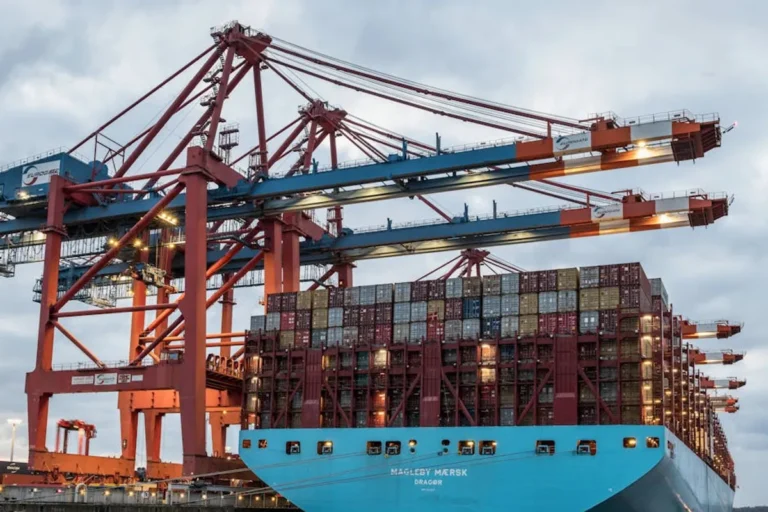
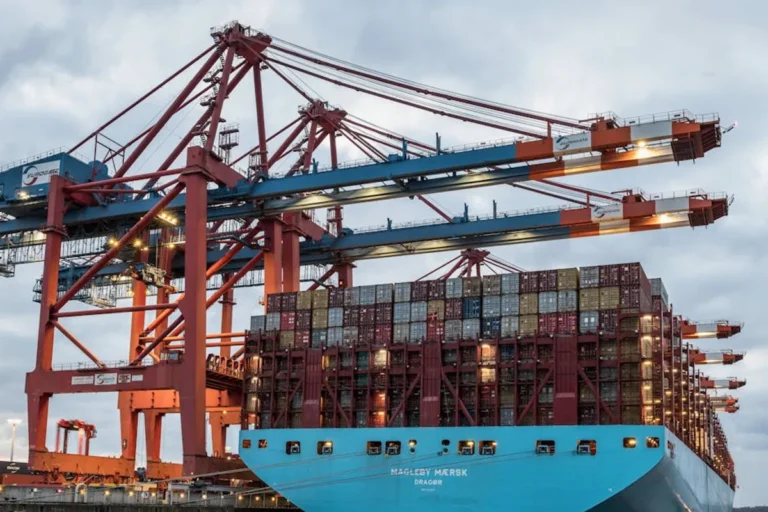
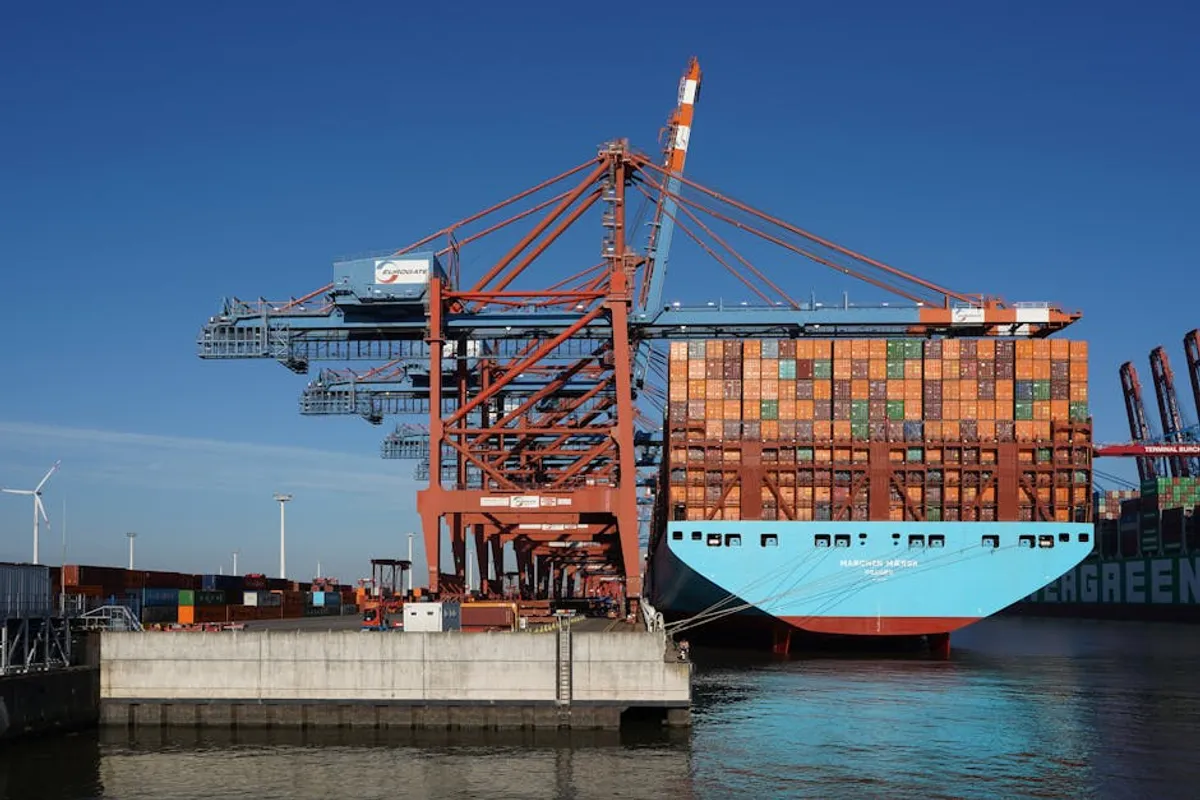
Transshipment refers to the process of transferring goods from one mode of transport to another, or from one vessel/vehicle to another, at an intermediate point during their journey from origin to final destination. Unlike direct shipping, where cargo remains on the same transport unit throughout, transshipment introduces a temporary stopover where goods are unloaded, stored briefly, and then reloaded onto a different carrier or vehicle for the onward leg. This intermediate stop, often a major port, airport, or distribution hub, serves as a consolidation or deconsolidation point.
For manufacturers, this process is particularly relevant when:
- Optimizing freight costs: Combining smaller shipments into larger, more cost-effective bulk shipments for the main leg, or breaking down large inbound raw material shipments into smaller, localized deliveries.
- Reaching remote markets: Accessing destinations not served by direct routes from the manufacturing origin, requiring transfer at a major hub.
- Leveraging specific transport advantages: Utilizing sea freight for long-haul, cost-efficient transit, then switching to air or rail for faster final delivery.
- Navigating trade restrictions or tariffs: Sometimes, transshipment through a third country can facilitate trade under specific agreements or avoid direct trade restrictions.
Key Advantages of Strategic Transshipment
When executed strategically, transshipment offers several tangible benefits for manufacturers aiming to enhance their supply chain efficiency and competitiveness.
Cost Reduction:
Transshipment allows manufacturers to capitalize on economies of scale. By consolidating multiple smaller shipments into a single, larger consignment for the longest leg of the journey, per-unit freight costs decrease significantly. This is particularly effective for sea freight, where filling an entire container or vessel space is more economical than shipping partial loads directly. Conversely, for inbound raw materials, a large bulk shipment can be broken down at a transshipment hub, reducing final-mile delivery costs to various factory locations.
Expanded Market Access:
Direct shipping routes are not always available or practical for every origin-destination pair, especially for emerging markets or less-trafficked regions. Transshipment enables manufacturers to reach these markets by utilizing established, high-volume routes to a major hub, then transferring to a local feeder service. This opens up new sales territories without the prohibitive costs of establishing direct, low-volume routes.
Increased Flexibility and Mode Optimization:
The ability to switch transport modes mid-journey provides manufacturers with greater flexibility in their logistics planning. A manufacturer might opt for cost-effective ocean freight for the bulk of the journey, then switch to faster air freight for time-sensitive components or finished goods, or use rail for inland distribution from a port. This multimodal approach optimizes for both cost and speed, adapting to specific product requirements and delivery deadlines.
Risk Mitigation and Supply Chain Resilience:
In an unpredictable global environment, transshipment can serve as a risk management tool. By having alternative routing options through various hubs, manufacturers can pivot quickly if a direct route is disrupted by natural disasters, geopolitical events, or port congestion. This diversification of routes enhances supply chain resilience, minimizing potential delays and ensuring continuity of supply.
Potential Disadvantages and Risks
While beneficial, transshipment introduces complexities and potential drawbacks that manufacturers must carefully assess.
- Increased Transit Time: Each transfer point adds time for unloading, processing, potential storage, and reloading. This can extend overall transit times compared to direct shipping, impacting lead times and inventory management.
- Higher Risk of Damage or Loss: Every additional handling point increases the risk of cargo damage, misplacement, or theft. Manufacturers must ensure robust packaging and work with reputable logistics partners.
- Elevated Costs in Specific Scenarios: While often cost-saving, poorly planned transshipment can incur additional charges such as terminal handling fees, storage fees, customs clearance at intermediate points, and additional documentation costs.
- Customs and Regulatory Complexity: Goods undergoing transshipment may require customs clearance or specific documentation at the intermediate port, even if not entering that country for consumption. Understanding these regulations is crucial to avoid delays and penalties.
- Reduced Visibility: Tracking cargo across multiple carriers and transfer points can be more challenging, potentially reducing real-time visibility into the shipment’s status.
Pro Tip: When considering transshipment, manufacturers should prioritize partners with robust tracking systems and a proven record of handling cargo securely at transfer points. The lowest quoted price for transshipment can quickly escalate if it leads to delays, damages, or unforeseen customs issues.
Implementing Transshipment: Critical Considerations for Manufacturers
Successfully integrating transshipment into a manufacturing supply chain requires careful planning and execution.
Partner Selection and Network Evaluation
Choosing the right freight forwarders, carriers, and transshipment hubs is paramount. Manufacturers should evaluate partners based on their network coverage, reliability, security protocols at transfer points, and technological capabilities for tracking and communication. A strong network of strategically located hubs can offer optimal routing flexibility and efficiency.
Documentation and Compliance
Accurate and complete documentation is critical. This includes bills of lading, commercial invoices, packing lists, and any necessary customs declarations for the intermediate country. Manufacturers must understand the specific customs requirements for goods in transit through the chosen transshipment hubs to prevent delays or penalties. Incoterms used in contracts should clearly define responsibilities at each stage, including transfer points.
Technology and Visibility
Leveraging supply chain visibility platforms and advanced tracking technologies becomes even more important with transshipment. Real-time data on cargo location, status, and estimated arrival times at each leg of the journey helps manufacturers manage inventory, production schedules, and customer expectations effectively. Integration with logistics partners' systems can provide a seamless flow of information.
Inventory Management and Lead Times
The increased transit times associated with transshipment necessitate adjustments to inventory management strategies. Manufacturers may need to maintain higher safety stock levels or adjust production schedules to account for longer lead times. Accurate forecasting and robust inventory planning are essential to avoid stockouts or excess inventory.
Optimizing Your Transshipment Strategy
For manufacturers, transshipment is not a static solution but an evolving strategy that requires continuous optimization. Regularly review your shipping lanes, carrier performance, and the efficiency of your chosen transshipment hubs. Analyze cost-benefit ratios, considering not just freight rates but also insurance costs, potential for damage, and the value of expedited delivery for certain products. Engaging with experienced logistics consultants can provide valuable insights into identifying optimal transshipment opportunities and mitigating associated risks.
Frequently Asked Questions
What is the difference between transshipment and direct shipping?
Direct shipping involves moving goods from origin to destination on a single transport unit without any intermediate transfer. Transshipment, conversely, involves transferring goods from one vessel or vehicle to another at an intermediate port or hub before reaching their final destination.
Why do manufacturers use transshipment instead of direct routes?
Manufacturers often use transshipment to reduce freight costs by consolidating shipments, access markets not served by direct routes, utilize different transport modes for efficiency, or mitigate risks by diversifying shipping lanes.
Are there additional costs associated with transshipment?
Yes, transshipment can incur additional costs such as terminal handling charges, storage fees at the intermediate hub, potential customs clearance fees, and increased insurance premiums due to more handling points. These must be weighed against the savings from optimized freight rates.
How can manufacturers minimize risks during transshipment?
Minimizing risks involves selecting reputable logistics partners with strong security and tracking capabilities, ensuring robust packaging, maintaining precise documentation, and having clear communication channels with all parties involved in the supply chain.