For importers navigating global supply chains, transshipment frequently emerges as a critical operational decision, balancing potential cost efficiencies against inherent complexities. Understanding transshipment is not merely an academic exercise; it directly impacts transit times, landed costs, and supply chain reliability. This guide provides a practical overview, equipping importers with the knowledge to make informed choices when their cargo moves through intermediate ports. For importers navigating global supply chains, understanding shipping documentation is also a critical operational decision that impacts transit times and landed costs.
Defining Transshipment in Global Logistics
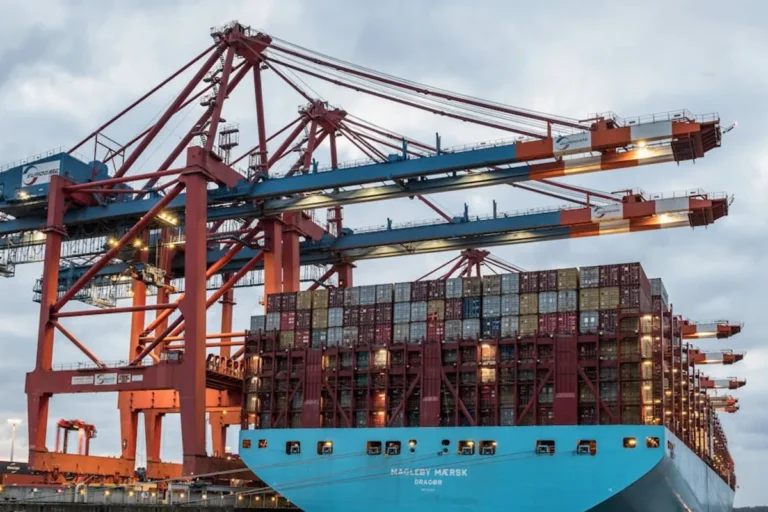
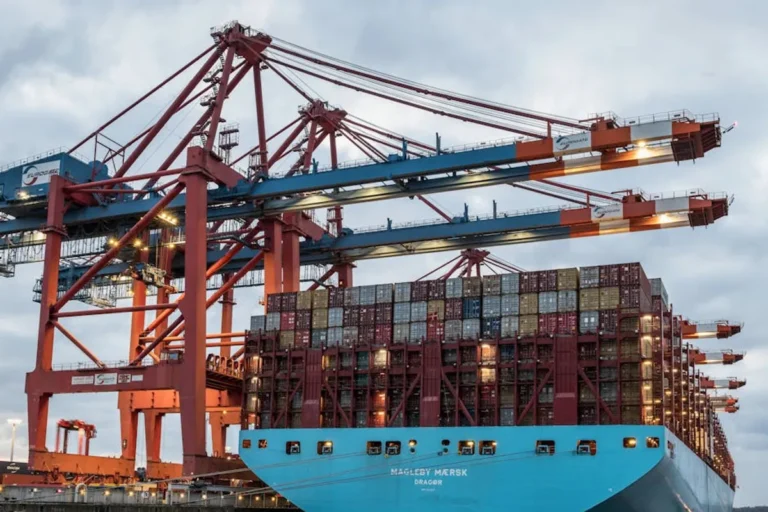
Transshipment refers to the process where goods are transferred from one vessel, aircraft, or vehicle to another during their journey from origin to final destination. This transfer typically occurs at an intermediate hub or port, rather than the cargo traveling directly on a single conveyance. The core purpose of transshipment is often to optimize routes, consolidate cargo, or access destinations not served by direct routes from the origin port.
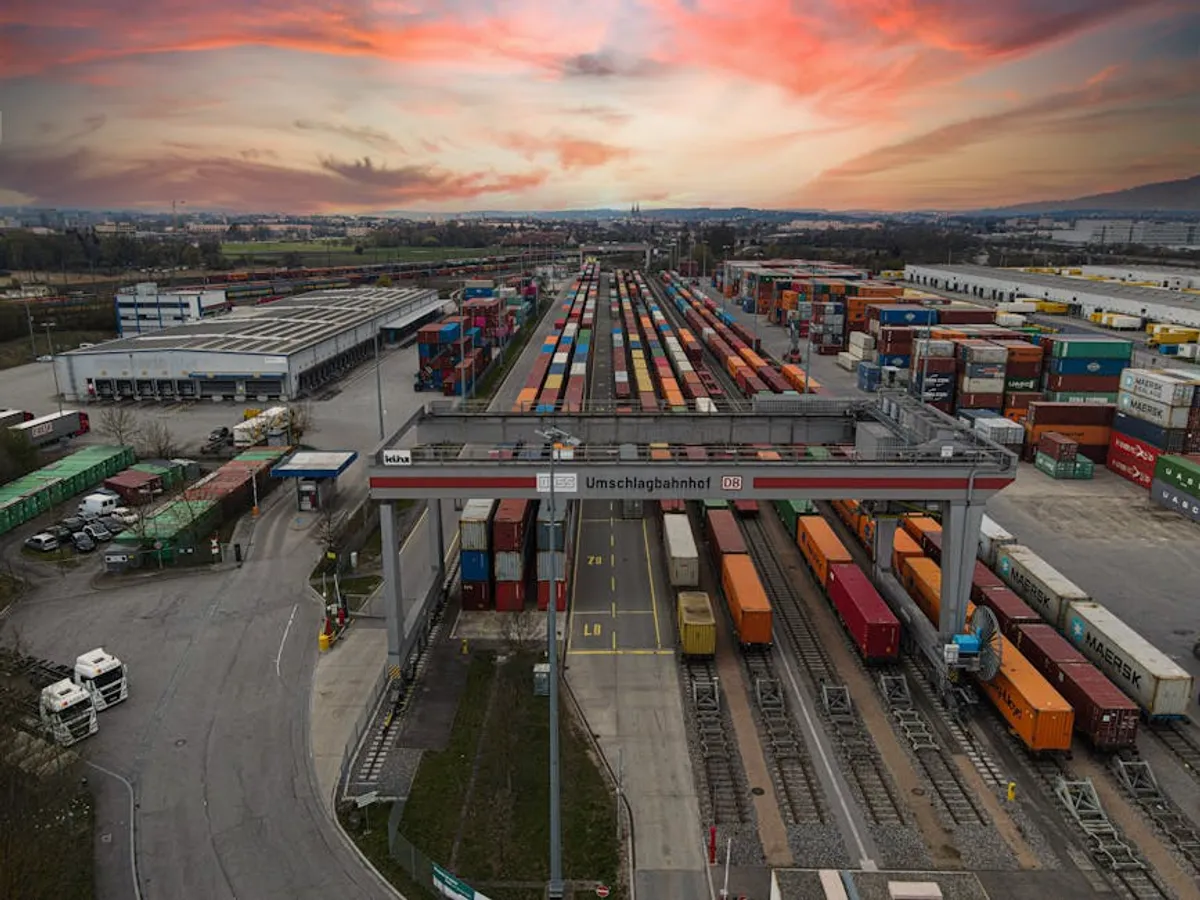
Unlike direct shipping, where cargo remains on the same mode of transport throughout its international leg, transshipment introduces an additional handling point. This can involve unloading containers from one ship, storing them temporarily at a port terminal, and then reloading them onto another ship bound for the ultimate destination. This method is common for containerized freight, but also applies to bulk cargo, air freight, and even land-based intermodal transport.
Operational Reasons for Transshipment
Transshipment is not a random occurrence; it serves several strategic functions within global logistics networks:
- Route Optimization: Carriers use transshipment hubs to create more efficient, high-volume "trunk" routes between major ports. Feeder vessels then connect smaller origin/destination ports to these main hubs.
- Cost Efficiency: Consolidating cargo from various origins onto larger vessels at transshipment points often reduces per-unit shipping costs, leveraging economies of scale.
- Access to Remote Destinations: Many smaller ports lack the volume or infrastructure for direct services from major global origins. Transshipment provides the necessary link, allowing goods to reach these locations.
- Capacity Management: Carriers can manage vessel space more dynamically by transferring cargo to available ships, especially during peak seasons or when direct services are overbooked.
- Specialized Equipment: Sometimes, specialized vessels or handling equipment are only available at specific hubs, necessitating a transfer for certain types of cargo.
Benefits for Importers
When managed effectively, transshipment offers tangible advantages for importers:
Reduced Freight Costs: By utilizing larger vessels and optimized routes, transshipment can significantly lower the overall cost of moving goods, making products more competitive in the market.
Expanded Market Access: Importers gain access to a broader network of origin ports and destinations, allowing sourcing from or selling to regions that might otherwise be inaccessible due to a lack of direct shipping options.
Increased Shipping Frequency: Transshipment hubs often have multiple vessel departures daily or weekly to various destinations. This increased frequency can offer more flexible scheduling options and potentially faster overall transit times by reducing waiting periods for direct sailings.
Supply Chain Flexibility: The ability to reroute cargo at a transshipment point provides a degree of agility in responding to unforeseen events, such as port closures, strikes, or sudden changes in demand.
Inherent Risks and Challenges
While beneficial, transshipment introduces specific risks that importers must acknowledge and mitigate:
Extended Transit Times: Each transfer point adds time for unloading, storage, and reloading, potentially delaying the final delivery. This increased handling also heightens the risk of demurrage or detention charges if not managed carefully.
Increased Risk of Damage or Loss: Every additional handling point increases the exposure of cargo to potential damage, misplacement, or theft. Containers might be dropped, mishandled, or left exposed to weather elements during transfer.
Customs and Regulatory Complexities: Goods undergoing transshipment may pass through multiple customs jurisdictions. While typically not cleared for import at the transshipment port, incorrect documentation or non-compliance with local transit regulations can lead to delays or penalties.
Reduced Visibility: Tracking cargo across multiple carriers and transfer points can be challenging, leading to periods of reduced visibility in the supply chain. This makes proactive problem-solving more difficult.
Documentation Errors: The need for accurate and consistent documentation across different legs of the journey is paramount. Discrepancies between the original bill of lading and subsequent manifests can cause significant delays at any stage.
Pro Tip: Precise documentation is non-negotiable. Any discrepancy in cargo manifests, bills of lading, or customs declarations at a transshipment port can lead to significant delays, fines, or even cargo seizure, directly impacting your bottom line and delivery schedules. Verify all paperwork meticulously before shipment.
Mitigating Transshipment Risks
Importers can proactively manage the challenges associated with transshipment:
- Partner with Reputable Forwarders: Select freight forwarders with established networks and proven expertise in managing complex transshipment routes. Their experience can navigate potential pitfalls.
- Secure Comprehensive Cargo Insurance: Standard carrier liability often does not cover the full value of goods. Invest in all-risk cargo insurance to protect against damage, loss, or theft during the entire transit, including transshipment points.
- Demand Real-time Tracking: Utilize carriers or forwarders that offer robust tracking systems providing updates at each leg of the journey, including arrival and departure from transshipment hubs.
- Understand Incoterms: Clearly define responsibilities for each leg of the journey using appropriate Incoterms. This clarifies who is responsible for costs and risks at each transfer point.
- Plan for Buffer Time: Always factor in additional lead time for transshipment routes to account for potential delays at intermediate ports.
Optimizing Your Transshipment Strategy
For importers, transshipment is often an unavoidable aspect of global trade. The key lies in understanding its mechanics, recognizing its benefits, and diligently managing its risks. By selecting reliable partners, ensuring meticulous documentation, and securing adequate insurance, importers can leverage transshipment to their advantage, achieving cost efficiencies and expanding their logistical reach while maintaining supply chain integrity. A proactive approach to planning and oversight transforms transshipment from a potential headache into a strategic asset.
Frequently Asked Questions
Is transshipment always cheaper than direct shipping?
Not always. While transshipment often reduces line-haul costs by using larger vessels, the additional handling, potential for delays, and increased insurance premiums can sometimes offset these savings. A thorough cost-benefit analysis is essential for each specific route.
How much extra time does transshipment add to transit?
The added time varies significantly. It can range from a few days to over a week, depending on the efficiency of the transshipment port, vessel schedules, and potential port congestion. Importers should inquire about specific transit times for transshipment routes.
Is transshipment the same as cross-docking?
No. Transshipment involves transferring goods between modes of international transport, typically ships, at an intermediate port. Cross-docking usually refers to the direct transfer of goods from an inbound to an outbound truck or rail car at a domestic warehouse or distribution center, with minimal or no storage, primarily for domestic distribution efficiency.
What is the role of a freight forwarder in transshipment?
A freight forwarder plays a crucial role by coordinating the entire transshipment process. This includes selecting suitable carriers, managing documentation across different legs, tracking cargo movement, and addressing any issues that arise at transshipment points, effectively acting as the importer's single point of contact.