For exporters navigating international trade, understanding ocean freight is not merely an option; it is a fundamental requirement for competitive global distribution. This shipping method facilitates the movement of vast quantities of goods across oceans, serving as the backbone for supply chains reaching distant markets. Deciding whether ocean freight is suitable for your export needs hinges on several factors: the volume and nature of your cargo, your budget constraints, and the urgency of delivery. This guide provides a practical overview, detailing the mechanics, advantages, and critical considerations for exporters leveraging sea transport. When planning your export timelines, it's also beneficial to consider the various factors impacting delivery times and potential delays.
What is Ocean Freight?
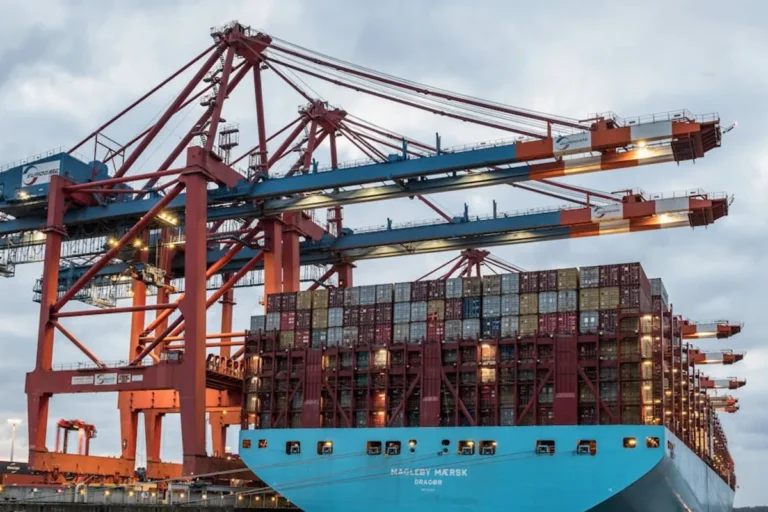
Ocean freight refers to the transportation of goods by sea, typically in large containers loaded onto specialized cargo ships. Unlike air freight, which prioritizes speed for high-value or time-sensitive items, ocean freight excels in cost-efficiency and capacity, making it the preferred choice for bulk commodities, oversized cargo, and non-perishable manufactured goods. It operates on established global shipping routes, connecting major ports worldwide and supporting the vast majority of international trade by volume.
Key Advantages for Exporters
Exporters choose ocean freight for specific, measurable benefits that directly impact their operational costs and market reach:
- Cost-Effectiveness: Ocean freight offers significantly lower per-unit shipping costs compared to air freight, especially for heavy or bulky shipments. This cost advantage is critical for maintaining competitive pricing in international markets.
- High Capacity: Cargo ships can transport enormous volumes of goods, from thousands of individual packages to entire industrial machinery. This capacity is unmatched by other transport modes, allowing exporters to scale their operations and fulfill large orders efficiently.
- Suitability for Diverse Cargo: The robust nature of shipping containers and specialized vessels accommodates a wide range of goods, including hazardous materials, liquids, and oversized project cargo that would be impractical or impossible to ship by air.
- Reduced Carbon Footprint: On a per-ton-mile basis, ocean freight generally has a lower carbon footprint than air freight, appealing to exporters focused on sustainability and environmental responsibility.
Types of Ocean Freight Services
Exporters typically choose between two primary containerized shipping options, depending on their cargo volume and specific requirements:
Full Container Load (FCL)
FCL shipping means an exporter's goods occupy an entire shipping container, regardless of whether the container is completely full. This service offers several benefits:
Best for: Large volume shipments, cargo requiring dedicated space, time-sensitive goods where direct transit is preferred, or shipments where minimizing handling is crucial.
Advantages: Faster transit times (no consolidation/deconsolidation delays), reduced risk of damage due to less handling, and often more cost-effective per cubic meter for larger volumes.
Less than Container Load (LCL)
LCL shipping involves consolidating multiple smaller shipments from different exporters into one container. Freight forwarders manage the consolidation and deconsolidation process at origin and destination ports.
Best for: Smaller shipments that do not fill an entire container, exporters with limited budgets, or those testing new markets with smaller product quantities.
Advantages: Lower upfront cost for smaller volumes, flexibility for smaller orders, and access to international shipping lanes without needing to fill a full container.
Breakbulk and Project Cargo
For goods that are too large or heavy to fit into standard containers, such as industrial machinery, vehicles, or construction materials, breakbulk or project cargo services are utilized. These involve loading individual pieces directly onto the vessel.
Best for: Oversized equipment, specialized industrial components, or complete plant machinery.
Understanding the Ocean Shipping Process
The journey of goods via ocean freight involves several distinct stages, each requiring careful coordination:
- Booking and Documentation: The exporter or their freight forwarder books space on a vessel. Essential documents include the Bill of Lading (a contract of carriage, receipt of goods, and document of title), Commercial Invoice, and Packing List. Accurate documentation is paramount for customs clearance.
- Cargo Pickup and Consolidation: Goods are transported from the exporter's facility to the port. For LCL shipments, cargo is consolidated with other shipments into a container. For FCL, the container may be loaded at the exporter's premises.
- Port Operations: Containers are moved to the loading dock, inspected, and loaded onto the designated vessel. This stage involves terminal handling charges.
- Ocean Transit: The vessel sails to the destination port. Transit times vary significantly based on distance, route, and potential delays (weather, port congestion).
- Destination Port and Customs Clearance: Upon arrival, containers are offloaded. Goods undergo customs clearance, where duties and taxes are assessed. This requires accurate documentation and compliance with import regulations of the destination country.
- Final Delivery: Once cleared, the goods are transported from the destination port to the importer's final delivery address.
Pro Tip for Exporters: Meticulous attention to documentation accuracy is non-negotiable. Errors on a Bill of Lading, Commercial Invoice, or Packing List can lead to significant delays, fines, and storage charges at both origin and destination ports. Verify all details with your freight forwarder and ensure compliance with both export and import regulations.
Cost Factors in Ocean Freight
The total cost of ocean freight is influenced by more than just the base shipping rate. Exporters must account for:
- Base Freight Rate: The primary cost for transporting goods from port to port.
- Surcharges: These are additional fees that fluctuate based on market conditions and specific services. Common surcharges include:
- Bunker Adjustment Factor (BAF): To account for fuel price fluctuations.
- Currency Adjustment Factor (CAF): To compensate for currency exchange rate variations.
- Terminal Handling Charges (THC): For services at the port, such as loading and unloading.
- Security Surcharges (ISPS): For enhanced security measures.
- Customs Duties and Taxes: Levied by the destination country's government based on the Harmonized System (HS) code of the goods.
- Insurance: Cargo insurance protects against loss or damage during transit. While not always mandatory, it is highly recommended.
- Inland Transportation: Costs for moving goods from the exporter's facility to the origin port, and from the destination port to the importer's final address.
Navigating Ocean Freight for Export Success
Successful ocean freight relies on strategic planning and informed decision-making. Exporters should prioritize selecting a reputable freight forwarder who offers transparent pricing, robust communication, and expertise in the specific trade lanes relevant to their business. Understanding Incoterms (International Commercial Terms) is also crucial, as these define the responsibilities and liabilities between buyer and seller for the delivery of goods. By aligning cargo characteristics with the appropriate service type (FCL, LCL), carefully managing documentation, and factoring in all potential costs, exporters can leverage ocean freight as a reliable and economical pathway to global markets.
Frequently Asked Questions about Ocean Freight
How long does ocean freight typically take?
Ocean freight transit times vary significantly based on the origin and destination ports, the shipping route, and the specific service chosen. For example, a shipment from China to the East Coast of the United States can take anywhere from 25 to 45 days, excluding customs clearance and inland transit.
What are Incoterms and why are they important for ocean freight?
Incoterms are a set of internationally recognized rules published by the International Chamber of Commerce (ICC) that define the responsibilities of sellers and buyers for the delivery of goods under sales contracts. They clarify who is responsible for paying and managing the shipment, insurance, documentation, and customs duties, significantly impacting the cost and risk allocation in ocean freight transactions.
Is cargo insurance necessary for ocean freight?
While not legally mandatory in all cases, cargo insurance is highly recommended for ocean freight. Carriers typically have limited liability for loss or damage, often based on weight rather than the actual value of the goods. Cargo insurance provides financial protection against unforeseen events like theft, damage, or total loss during transit.
How do I choose a reliable freight forwarder?
When selecting a freight forwarder, consider their experience with your specific type of cargo and destination markets, their network of agents and partners, their communication practices, and their transparency in pricing. Request multiple quotes and check references to ensure they can provide reliable, cost-effective service tailored to your export needs.