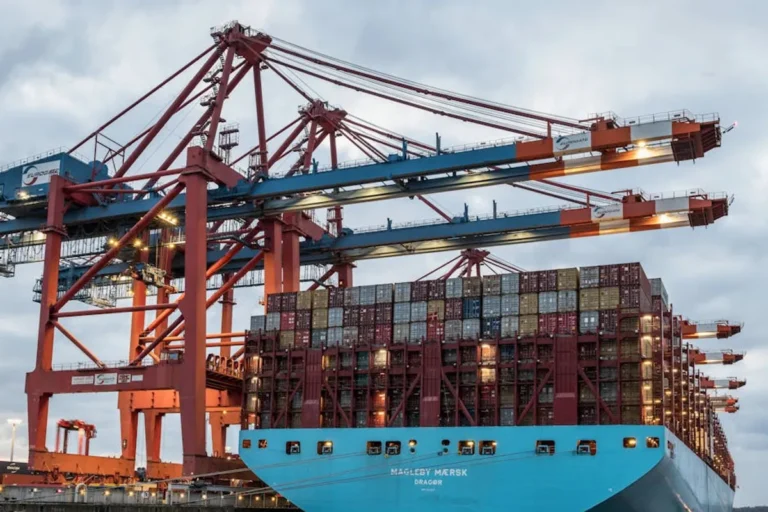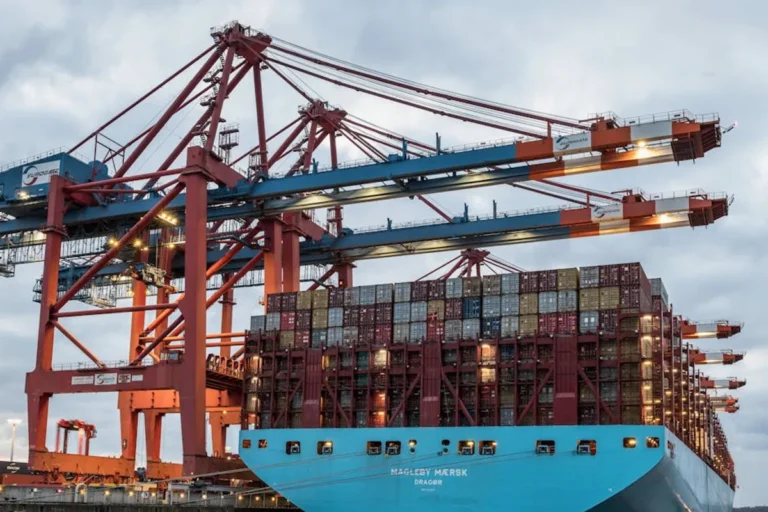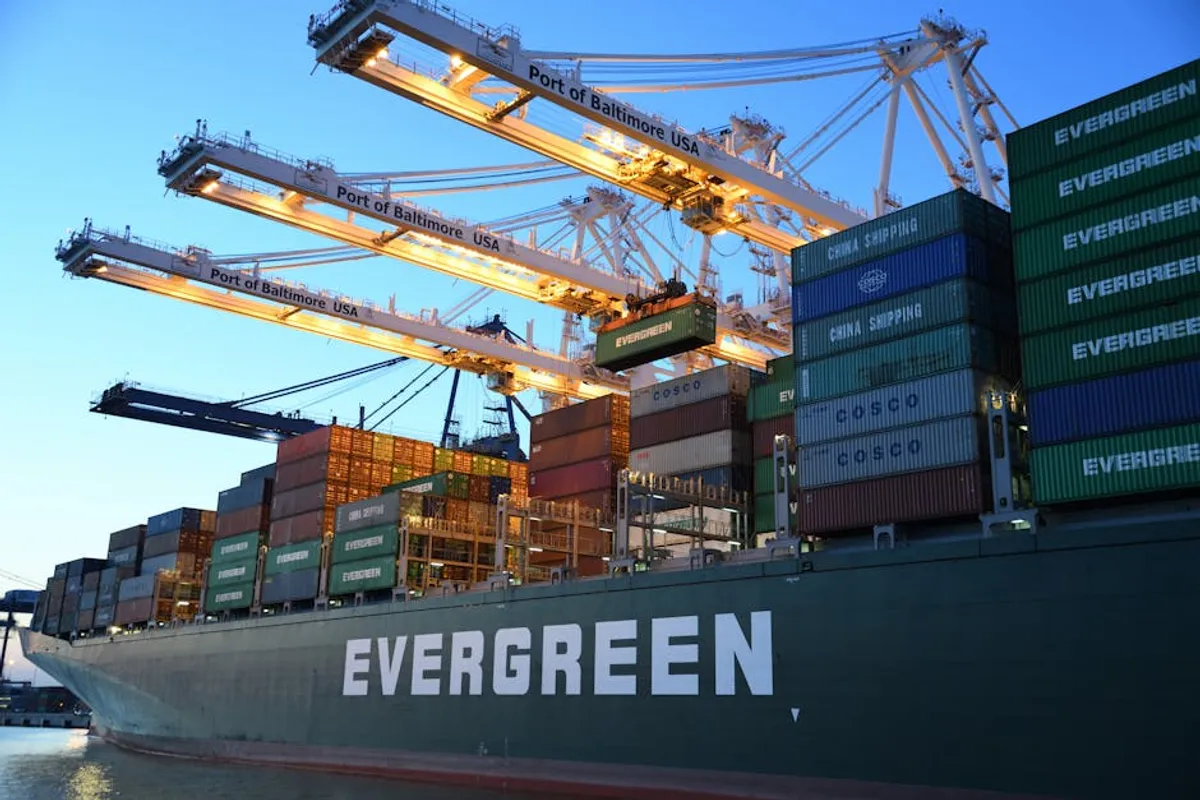
For importers, navigating the complexities of global trade requires a foundational understanding of logistics, and container shipping stands as its cornerstone. This method of freight transport, characterized by its standardized, intermodal containers, underpins the efficiency and cost-effectiveness of moving goods across oceans and continents. The decision to utilize container shipping, and how to best manage it, directly impacts supply chain reliability, inventory costs, and ultimately, profitability. This guide clarifies the essential components of container shipping, offering practical insights to help importers optimize their operations and mitigate common challenges.
Understanding Container Shipping Fundamentals
What Defines Container Shipping?
Container shipping relies on the principle of intermodal transport, where cargo is packed into standardized containers that can be transferred seamlessly between ships, trains, and trucks without needing to be reloaded. This standardization drastically reduces handling time, minimizes damage, and enhances security compared to traditional breakbulk cargo methods. For importers, this means a more predictable and often more economical method for transporting goods from origin to destination, regardless of the intermediate modes of transport.
The Standardized Container: ISO Codes and Dimensions
The International Organization for Standardization (ISO) established uniform container dimensions, ensuring global compatibility across ports and transport infrastructure. The most common sizes are the 20-foot and 40-foot containers, with 40-foot high cube containers offering additional vertical space. Understanding these dimensions is critical for importers to calculate cargo volume, plan loading efficiently, and select the appropriate container type for their specific goods. For example:
- 20-foot Dry Van (20’ DV): Approximately 1,172 cubic feet (33.2 cubic meters) internal volume, suitable for dense or smaller shipments.
- 40-foot Dry Van (40’ DV): Approximately 2,385 cubic feet (67.5 cubic meters) internal volume, ideal for larger, less dense cargo.
- 40-foot High Cube (40’ HC): Approximately 2,694 cubic feet (76.3 cubic meters) internal volume, providing extra height for bulky items.
Accurate measurement and volume calculation prevent costly underutilization of space or the need for additional containers.
Key Container Types for Importers
Dry Van Containers (General Purpose)
These are the most prevalent container type, designed for a wide range of non-perishable, non-hazardous goods that do not require temperature control. They are fully enclosed and weatherproof, protecting cargo from external elements. Importers of electronics, textiles, manufactured goods, and packaged foods typically rely on dry van containers for their versatility and widespread availability. Importers of electronics, textiles, manufactured goods, and packaged foods typically rely on dry van containers for their versatility and widespread availability, making a container shipping checklist invaluable for ensuring all needs are met.
Refrigerated Containers (Reefers)
Reefers are specialized containers equipped with temperature control units, maintaining a consistent internal environment. They are indispensable for shipping perishable goods such as fresh produce, pharmaceuticals, and certain chemicals. Importers using reefers must specify precise temperature requirements and ensure regular monitoring to preserve cargo integrity throughout transit. The operational cost for reefers is higher due to the energy consumption for refrigeration.
Open Top and Flat Rack Containers
For oversized or irregularly shaped cargo that cannot fit through standard container doors, open top and flat rack containers provide solutions. Open top containers have a removable tarpaulin roof, allowing for top loading of machinery or bulk materials. Flat rack containers have end walls but no side walls or roof, designed for extremely wide or tall items like heavy machinery, vehicles, or large industrial components. These specialized containers often incur higher freight costs due to their limited availability and specialized handling requirements.
The Container Shipping Process: A Step-by-Step Overview
Booking and Documentation
The process begins with booking space on a vessel through a freight forwarder or directly with a carrier. Key documentation includes the Bill of Lading (B/L), which serves as a contract of carriage, receipt of goods, and document of title; a commercial invoice detailing the sale; and a packing list itemizing the cargo. Accuracy in these documents is paramount to avoid customs delays and potential penalties.
Pro Tip: Meticulously review all shipping documentation, especially the Bill of Lading, before final submission. Discrepancies between the B/L, commercial invoice, and packing list are a leading cause of customs delays and can result in significant demurrage or detention charges at the destination port. Ensure consignee details, cargo descriptions, and container numbers match exactly across all documents.
Inland Transportation and Loading
Once booked, the empty container is moved from the depot to the exporter's facility via truck (drayage) or rail. The cargo is then loaded and secured within the container. Proper loading techniques, including weight distribution and lashing, are crucial to prevent cargo shifting and damage during transit. The loaded container is then transported back to the port of origin.
Port Operations and Ocean Transit
At the port, the container undergoes inspection, is cleared for export, and loaded onto a container vessel. The vessel then embarks on its ocean voyage. During transit, importers typically receive tracking updates from the carrier or freight forwarder, providing estimated arrival times at the port of discharge. Delays due to weather, port congestion, or unforeseen circumstances can occur, necessitating contingency planning.
Customs Clearance and Final Delivery
Upon arrival at the destination port, the container is offloaded. Customs brokers, typically engaged by the importer, manage the import customs clearance process, which involves submitting required documents, paying duties and taxes, and ensuring compliance with all import regulations. Once cleared, the container is released for inland transport to the importer's warehouse or final destination. This final leg often involves drayage services from the port to the designated delivery point.
Cost Factors and Optimization for Importers
Freight Rates and Surcharges
Base freight rates are determined by factors such as origin, destination, container type, and market demand. However, importers must also account for various surcharges. Common surcharges include Bunker Adjustment Factor (BAF) for fuel fluctuations, Currency Adjustment Factor (CAF) for exchange rate volatility, Peak Season Surcharges (PSS), and Terminal Handling Charges (THC) at both origin and destination ports. Understanding these components allows for more accurate landed cost calculations and better budget forecasting.
Demurrage and Detention
These are critical cost considerations. Demurrage is a penalty charged by the shipping line for exceeding the allotted "free time" a container can remain at the port terminal after discharge. Detention is a separate charge for exceeding the free time allowed to return the empty container to the shipping line's depot after it has been picked up from the port. Both can accumulate rapidly, underscoring the importance of efficient customs clearance and prompt inland transport arrangements.
Insurance and Incoterms
Cargo insurance protects against loss or damage during transit, a vital safeguard for importers. Incoterms (International Commercial Terms) define the responsibilities of buyers and sellers for the delivery of goods under sales contracts. Terms like FOB (Free On Board), CIF (Cost, Insurance and Freight), or DDP (Delivered Duty Paid) dictate who pays for what, when risk transfers, and who is responsible for insurance. Selecting the appropriate Incoterm significantly impacts an importer's cost and risk exposure.
Navigating Common Challenges
Port Congestion and Delays
Port congestion, often caused by surges in cargo volume, labor shortages, or adverse weather, can lead to significant delays and increased costs. Importers should factor potential delays into their supply chain planning and work with freight forwarders who can provide real-time updates and alternative routing options when available.
Supply Chain Visibility
Lack of visibility into container movements can hinder inventory management and production planning. Leveraging technology, such as carrier tracking portals or third-party logistics platforms, can provide real-time updates on container location and estimated arrival times, enabling proactive decision-making.
Regulatory Compliance
International shipping is subject to a myriad of customs regulations, trade agreements, and safety standards. Non-compliance can result in fines, cargo seizure, or significant delays. Importers must stay informed about the specific requirements of both the origin and destination countries, often by collaborating closely with experienced customs brokers and freight forwarders.
Practical Steps for Successful Container Imports
To navigate container shipping effectively, importers should adopt several key practices. First, establish strong relationships with reliable freight forwarders who offer transparent pricing, robust tracking capabilities, and proactive communication. Second, invest in thorough documentation processes, ensuring all paperwork is accurate and submitted promptly to avoid customs hold-ups. Third, understand and strategically apply Incoterms to clearly define responsibilities and manage risk. Fourth, always plan for contingencies, building buffer times into your supply chain schedule to account for potential delays from port congestion or unforeseen events. Finally, leverage technology for enhanced visibility, from carrier tracking to integrated logistics platforms, to maintain control over your shipments and optimize inventory flow. These steps collectively contribute to a more efficient, cost-effective, and resilient import operation. Second, invest in thorough documentation processes, ensuring all paperwork is accurate and submitted promptly to avoid customs hold-ups; understanding the specifics of shipping documentation can streamline this entire aspect of your import operations.
Frequently Asked Questions
What is the difference between FCL and LCL shipping?
FCL (Full Container Load) means an importer uses an entire container exclusively for their cargo, regardless of whether it fills the container. LCL (Less than Container Load) means an importer shares container space with other shippers, paying only for the volume their cargo occupies. FCL is generally more cost-effective for larger shipments, while LCL suits smaller volumes that don't justify a dedicated container.
How long does container shipping typically take?
Transit times vary significantly based on the origin, destination, shipping route, and service type. A trans-Pacific journey might take 15-30 days, while a trans-Atlantic route could be 7-14 days. These estimates do not include inland transport, customs clearance, or potential delays at ports, which can add several days or even weeks to the overall door-to-door timeline.
What are the most essential documents required for importing goods via container?
The core documents include the Bill of Lading (or Sea Waybill), Commercial Invoice, and Packing List. Depending on the goods and destination country, additional documents like a Certificate of Origin, Import License, or specific permits (e.g., for agricultural products or hazardous materials) may also be required by customs authorities.
How can I track my container during transit?
Most shipping lines and freight forwarders provide online tracking portals where you can monitor your container's status using its container number, booking number, or Bill of Lading number. Some third-party logistics platforms also offer consolidated tracking across multiple carriers, providing enhanced visibility and real-time updates on location and estimated arrival times.