Navigating the complexities of global trade requires meticulous attention to detail, particularly when it comes to shipping documentation. For those new to the process, the sheer volume and specificity of required paperwork can be daunting. Errors in shipping documents are not mere administrative oversights; they translate directly into tangible commercial consequences: delayed shipments, unexpected customs duties, costly fines, and ultimately, dissatisfied customers. Understanding and proactively avoiding these common pitfalls is fundamental to ensuring smooth, compliant, and cost-effective logistics operations from the outset.
Understanding Core Shipping Documents
Effective shipping hinges on a foundational set of documents, each serving a distinct purpose in the journey of goods across borders. Familiarity with these is the first step toward preventing errors.
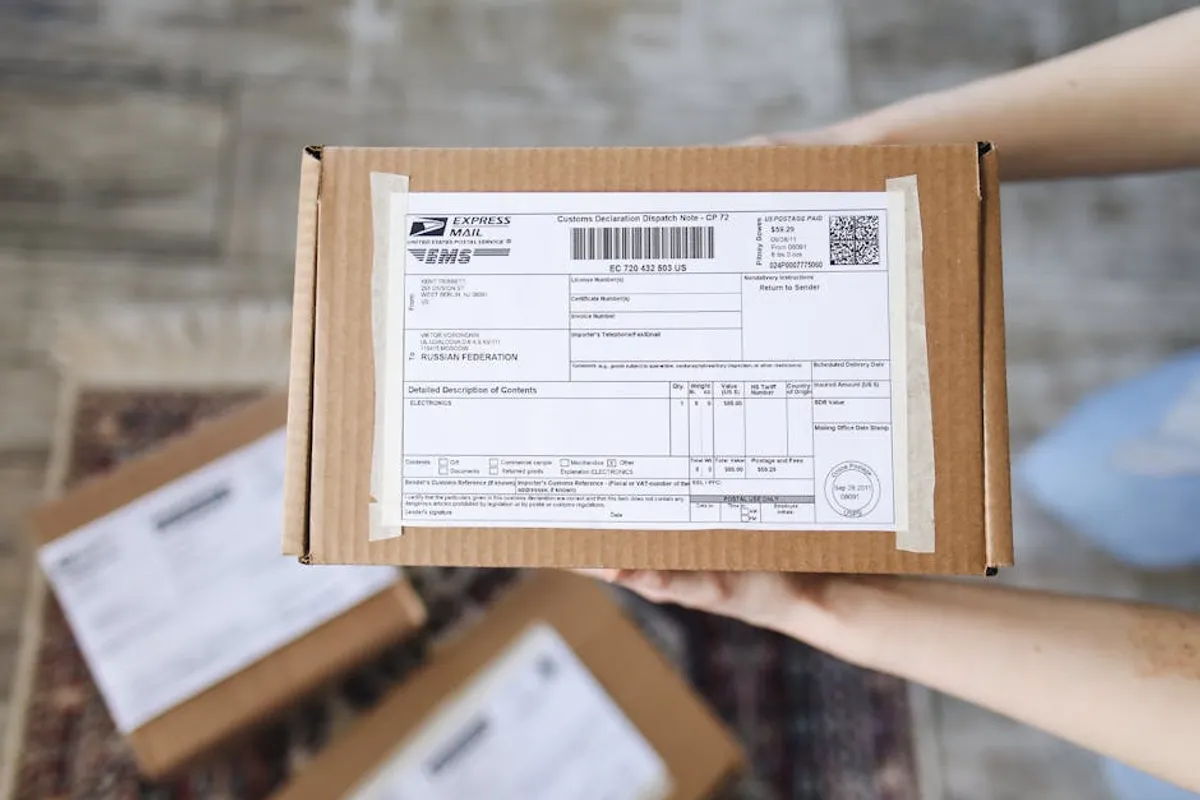
- Commercial Invoice: This is the primary document for customs declaration, detailing the goods being shipped, their value, quantity, and terms of sale. It's critical for calculating duties and taxes.
- Packing List: Provides a detailed inventory of the contents of each package, including dimensions, weight, and marks. It assists in cargo handling, customs inspection, and verifying received goods.
- Bill of Lading (BOL) or Air Waybill (AWB): A contract between the shipper and the carrier, serving as a receipt of goods and a document of title (for BOL). It specifies the type, quantity, and destination of the goods.
- Certificate of Origin: Declares the country where the goods were manufactured or produced. This is essential for determining tariffs, trade agreements, and import quotas.
- Export/Import Licenses: Required for specific types of goods (e.g., controlled substances, dual-use items) or shipments to certain destinations. They grant legal permission for the transaction.
Common Documentation Mistakes and How to Prevent Them
Even minor discrepancies can trigger significant problems. Addressing these common errors pre-emptively saves time and resources.
Inaccurate or Incomplete Information
One of the most frequent errors involves missing or incorrect data on key documents. This ranges from simple typos in consignee addresses to incorrect weights, dimensions, or product descriptions. Such inaccuracies invariably lead to customs delays, as officials must verify details, potentially resulting in physical inspections. Penalties can be levied for misdeclarations, and in severe cases, shipments may be rejected or returned, incurring additional freight costs and damaging customer trust.
Prevention: Implement a multi-stage verification process. Cross-reference all data points against the original sales order, purchase order, and actual product specifications. Utilize standardized digital templates that auto-populate common fields, reducing manual entry errors. Consider a "four-eyes principle" where one person prepares the documents and another reviews them independently.
Misclassifying Goods (HS Codes)
The Harmonized System (HS) code is an internationally standardized system of names and numbers to classify traded products. Incorrect HS code assignment is a critical mistake. It can lead to either overpayment or underpayment of duties and taxes, triggering audits. More seriously, a misclassified item can be flagged as a controlled or prohibited good, leading to customs holds, substantial fines, and potential legal action for non-compliance.
Prevention: Do not guess HS codes. Consult official government customs websites (e.g., U.S. ITC Harmonized Tariff Schedule, EU TARIC database) for accurate classification. For complex products or high-value shipments, engage a licensed customs broker or a trade compliance specialist. Invest in training for staff responsible for product classification.
Failing to Match Documents
Discrepancies between the commercial invoice, packing list, and Bill of Lading (or Air Waybill) create immediate red flags for customs authorities. For instance, if the declared weight on the BOL differs from the packing list, or the item description on the invoice doesn't align with the certificate of origin, it suggests potential fraud or incompetence. This inconsistency can result in prolonged customs examinations, increased scrutiny, and significant delays.
Prevention: Establish a strict internal protocol requiring all documents related to a single shipment to be cross-referenced for consistency. Automated shipping software can help synchronize data across multiple forms, minimizing manual errors. Ensure that the person preparing the documents has access to all relevant information simultaneously.
Overlooking Country-Specific Requirements
Shipping documentation is not universally standardized. Each destination country, and sometimes even specific regions within a country, may have unique import regulations, required licenses, certifications, or formatting preferences. Neglecting these can result in shipments being held indefinitely at the border, requiring costly re-exportation, or even confiscation. This is particularly true for agricultural products, pharmaceuticals, and electronics.
Prevention: Thoroughly research the import requirements of the destination country for each specific product category. Reliable sources include the country's customs authority website, trade associations, and experienced freight forwarders specializing in those lanes. Maintain a regularly updated database of country-specific requirements for your common shipping destinations.
Incorrect Valuation of Goods
Under-declaring the value of goods to reduce duties and taxes is a serious offense that customs authorities actively pursue. Conversely, over-declaring value for insurance purposes without justification can also raise suspicions. Both practices can lead to severe penalties, including fines many times the declared value, seizure of goods, and even criminal charges. Accurate valuation is crucial for compliance and insurance validity.
Prevention: Always declare the true transaction value of the goods, based on the price paid or payable. Retain all sales contracts, invoices, and payment records as proof of value. Understand and correctly apply Incoterms (International Commercial Terms) to ensure the declared value reflects the agreed-upon terms of sale and delivery.
Pro Tip: Implement digital documentation systems. While manual processes are prone to human error and inconsistency, integrated shipping software can auto-populate fields, validate data against pre-set rules, and ensure all required documents are generated with synchronized information. This significantly reduces the risk of common mistakes and accelerates the overall shipping process.
Missing or Improperly Applied Licenses and Permits
Certain goods, such as defense articles, controlled chemicals, or items with dual-use capabilities (civilian and military applications), require specific export or import licenses. Shipping these items without the correct authorization, or with expired/improperly filled-out permits, is a grave compliance violation. Consequences include immediate seizure of goods, substantial financial penalties, and potentially being added to restricted party lists, which can severely impact future trade capabilities.
Prevention: Proactively identify if your products or destination countries fall under any export control regulations. Consult government agencies responsible for export control (e.g., Bureau of Industry and Security in the US). Apply for necessary licenses well in advance of shipment, as approval processes can be lengthy. Maintain meticulous records of all licenses and their validity periods.
Building a Robust Documentation Process
Minimizing documentation errors is an ongoing commitment, not a one-time fix. Establishing a systematic approach is key.
Begin by creating detailed, step-by-step internal checklists for each type of shipment and destination. These checklists should guide staff through every required document and data point. Invest in continuous training for your logistics and sales teams, keeping them updated on international trade regulations and common pitfalls. Leverage technology: shipping management software can automate document generation, integrate with customs databases for HS code verification, and flag potential inconsistencies before submission. Finally, consider partnering with experienced freight forwarders or customs brokers who possess specialized knowledge of specific trade lanes and regulatory environments. Their expertise can provide an invaluable layer of compliance and efficiency, particularly for complex or high-volume shipments.
Frequently Asked Questions
What is the single most critical shipping document to get right?
The Commercial Invoice is arguably the most critical document. It serves as the foundation for customs declarations, duty calculations, and often influences other documents. Errors here cascade throughout the entire process.
How can I stay updated on changing customs regulations?
Regularly monitor official government customs websites for your export and import countries. Subscribing to updates from trade associations, freight forwarders, and international trade compliance publications also provides timely information on regulatory changes.
What happens if customs finds an error in my documentation?
The consequences vary depending on the severity and nature of the error. Outcomes can range from minor delays and requests for clarification to significant fines, seizure of goods, mandatory re-exportation, or even legal action for serious compliance breaches.
Should a beginner use a freight forwarder for documentation?
For beginners, using a reputable freight forwarder is highly recommended. They possess expertise in international trade regulations, can assist with accurate documentation, and often have systems in place to minimize errors, providing a crucial layer of support and compliance.