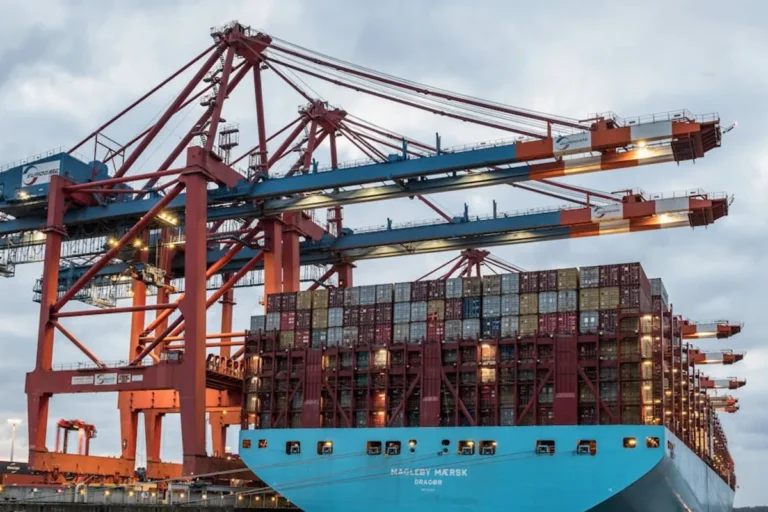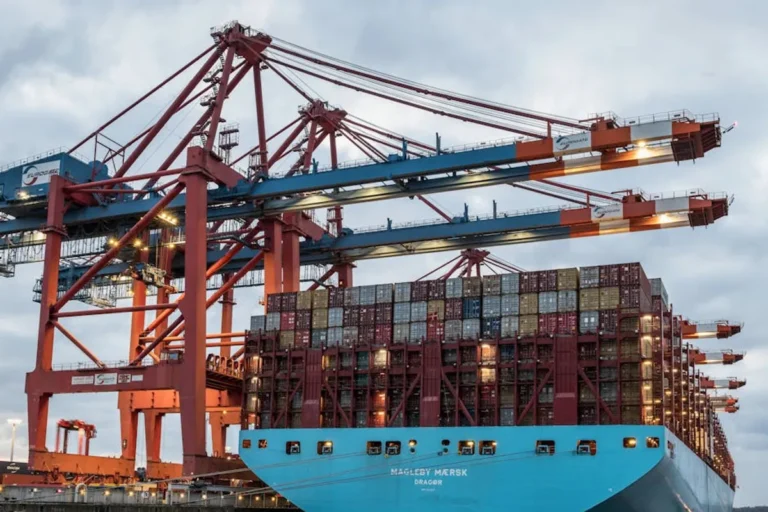
Transshipment, the process of shipping goods to an intermediate destination before onward shipment to a final destination, remains a critical component of global logistics. It facilitates the optimization of shipping routes, reduces costs, and enables access to diverse markets. However, the landscape of global trade is in constant flux, driven by technological advancements, environmental mandates, and geopolitical shifts. Understanding the emerging trends in transshipment is not merely an academic exercise; it directly impacts operational efficiency, supply chain resilience, and ultimately, profitability for businesses involved in international commerce.
For logistics professionals, supply chain managers, and strategic planners, identifying these shifts early allows for proactive adaptation rather than reactive crisis management. This year, several key trends are reshaping how goods move across the globe, demanding strategic attention and investment.
Digital Transformation and Automation in Transshipment
The integration of advanced digital technologies is fundamentally altering transshipment operations, moving from manual processes to data-driven, automated systems. This transformation is not just about efficiency; it's about creating more transparent, predictable, and resilient supply chains.
AI-Driven Port Optimization
Artificial intelligence (AI) is increasingly deployed in major transshipment hubs to optimize port operations. This includes predictive analytics for vessel arrival and departure times, dynamic allocation of berths, and intelligent crane scheduling. AI algorithms analyze vast datasets, including weather patterns, historical traffic, and real-time sensor data, to minimize idle times and maximize throughput. The commercial benefit is significant: reduced demurrage charges, faster turnaround times for vessels, and improved capacity utilization.
IoT and Real-Time Visibility
The Internet of Things (IoT) provides unprecedented real-time visibility into cargo movement. IoT sensors attached to containers or integrated into port infrastructure track location, temperature, humidity, and even potential tampering. This data feeds into centralized platforms, offering stakeholders end-to-end transparency. For businesses, this means enhanced security, proactive issue resolution (e.g., rerouting perishable goods if a delay occurs), and more accurate estimated times of arrival (ETAs), which are crucial for inventory management and just-in-time delivery models.
Sustainability Imperatives
Environmental concerns and regulatory pressures are driving a profound shift towards more sustainable transshipment practices. This trend is not just about corporate social responsibility; it's increasingly a commercial differentiator and a regulatory necessity.
Green Fuels and Emissions Reduction
The shipping industry is under pressure to decarbonize. This year sees continued investment and pilot projects for alternative fuels such as LNG, methanol, ammonia, and even hydrogen. While adoption is gradual due to infrastructure and cost challenges, the trend indicates a long-term move away from heavy fuel oil. Transshipment hubs are beginning to adapt by developing bunkering facilities for these new fuels, influencing future route planning and carrier selection. Businesses need to consider the carbon footprint of their chosen shipping methods, as consumer and regulatory scrutiny intensifies.
Route Optimization for Lower Carbon Footprint
Sophisticated software is now optimizing shipping routes not just for speed and cost, but also for environmental impact. This includes avoiding areas with high emissions regulations, selecting vessels with better fuel efficiency, and consolidating cargo more effectively to reduce the number of voyages. For transshipment, this means a greater emphasis on strategic hub selection that minimizes the overall distance traveled by goods, leading to lower fuel consumption and reduced greenhouse gas emissions across the entire supply chain.
Geopolitical and Economic Realignments
Global trade patterns are constantly influenced by geopolitical events, trade agreements, and economic shifts. These factors directly impact the viability and strategic importance of various transshipment hubs and routes.
Diversification of Transshipment Hubs
Reliance on a few major transshipment hubs carries inherent risks, as demonstrated by past disruptions (e.g., Suez Canal blockages, port strikes). Businesses are increasingly looking to diversify their transshipment points to build resilience into their supply chains. This involves exploring secondary ports, developing new regional logistics corridors, and investing in multi-modal solutions. The strategic advantage lies in mitigating single points of failure and maintaining flexibility in the face of unforeseen events.
Pro Tip: Evaluate your current transshipment network for geopolitical risk exposure. Identify alternative hubs and routes that could be activated during disruptions. A resilient supply chain is one that can pivot quickly, minimizing financial losses and maintaining customer commitments.
Impact of Trade Agreements and Sanctions
New trade agreements can open up more favorable routes and reduce tariffs, making certain transshipment corridors more attractive. Conversely, sanctions or protectionist policies can disrupt established routes, forcing businesses to re-evaluate their entire logistics strategy. Staying informed about these policy changes is crucial for optimizing costs and ensuring compliance. This can lead to shifts in where cargo is consolidated, deconsolidated, and ultimately routed.
E-commerce and Last-Mile Integration
The explosive growth of e-commerce has put immense pressure on traditional logistics models, including transshipment. The demand for faster, more flexible, and more granular delivery options is forcing innovation.
Micro-Hubs and Urban Logistics
To meet the demands of rapid e-commerce delivery, there's a growing trend towards establishing micro-hubs closer to urban consumption centers. Transshipment operations are adapting by breaking down larger consolidated shipments into smaller, more manageable loads at regional distribution centers, often bypassing traditional mega-ports for direct delivery to these micro-hubs. This reduces transit times and improves the efficiency of the final-mile delivery.
Enhanced Consolidation Strategies
With fragmented e-commerce orders, efficient consolidation at transshipment points becomes even more critical. New strategies involve:
- Cross-docking optimization: Minimizing storage time by directly transferring goods from inbound to outbound vehicles.
- Multi-vendor consolidation: Combining shipments from multiple suppliers destined for the same region or customer.
- Automated sorting systems: Utilizing robotics and automated guided vehicles (AGVs) to quickly sort and re-package goods for onward shipment.
These strategies aim to reduce handling costs, improve speed, and ensure the integrity of diverse cargo types.
Strategic Considerations for Transshipment Management
The evolving landscape of transshipment requires a proactive and adaptive approach. Businesses must continuously assess their logistics networks against these emerging trends to maintain competitive advantage and operational resilience. Key areas for strategic focus include technology adoption, sustainability integration, and geopolitical risk assessment.
Investing in advanced data analytics capabilities can provide deeper insights into network performance and potential bottlenecks. Collaborating with logistics partners who are also embracing these trends is essential. Ultimately, the goal is to build a transshipment strategy that is not only cost-effective but also agile enough to respond to the dynamic nature of global trade.
Frequently Asked Questions
What is the primary commercial benefit of optimizing transshipment operations?
The primary commercial benefit is enhanced cost efficiency, achieved through optimized routing, reduced fuel consumption, minimized demurrage charges, and improved cargo consolidation. This directly impacts a company's bottom line and competitive pricing.
How do geopolitical events specifically influence transshipment?
Geopolitical events, such as trade disputes, sanctions, or regional conflicts, can disrupt established shipping lanes, force rerouting through alternative hubs, increase insurance costs, and potentially delay cargo. This necessitates a flexible and diversified transshipment strategy.
What role does technology play in making transshipment more sustainable?
Technology contributes to sustainable transshipment by enabling route optimization for lower emissions, facilitating the use of alternative fuels through smart infrastructure, and providing real-time data for efficient cargo handling, which reduces energy consumption and waste.
Why is diversifying transshipment hubs becoming more important?
Diversifying transshipment hubs reduces reliance on single points of failure, enhancing supply chain resilience against disruptions caused by natural disasters, port congestion, labor disputes, or geopolitical instability. It provides alternative options to keep goods moving.