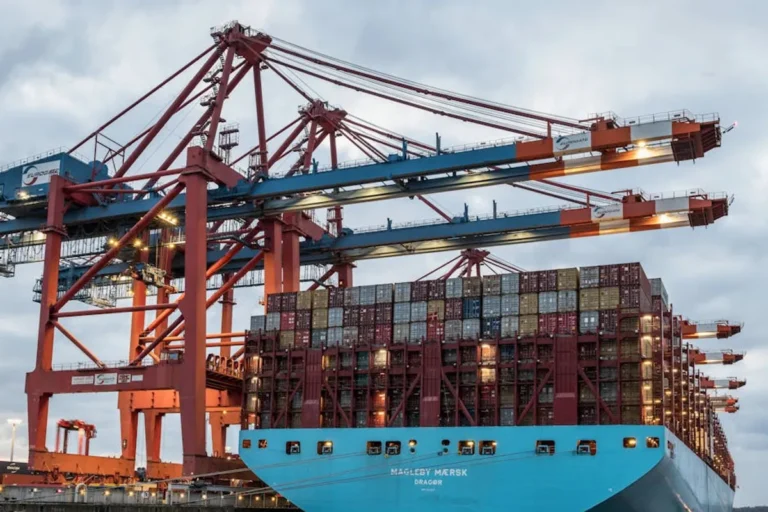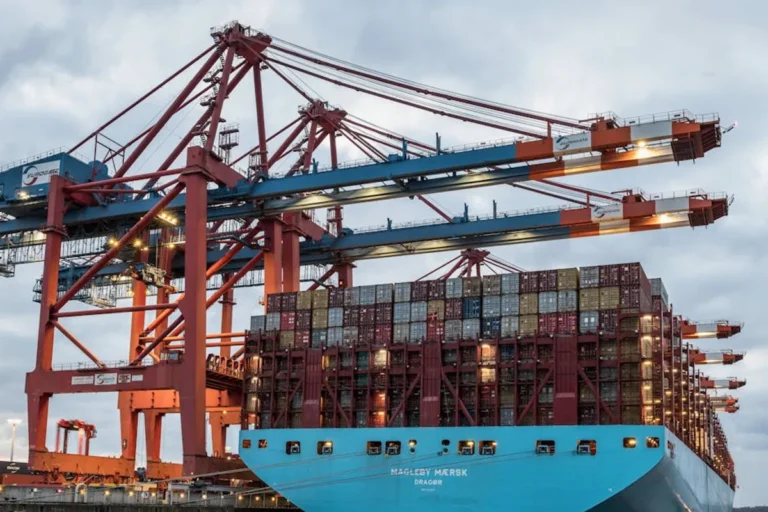
For small businesses navigating international logistics, transshipment presents a strategic option for optimizing supply chains and managing costs. This method involves moving goods through an intermediate port or hub before reaching their final destination, rather than a direct route. While it can introduce additional complexity, the potential benefits—such as access to more competitive shipping rates, broader carrier networks, or routes unavailable through direct services—make it a critical consideration for businesses seeking to expand their global reach efficiently. Understanding when and how to leverage transshipment effectively requires a systematic approach, ensuring that the logistical advantages outweigh any added risks or transit times.
Understanding Transshipment Logistics for Small Businesses
Transshipment fundamentally differs from direct shipping by design. Instead of a single vessel or carrier moving cargo from origin to destination, transshipment involves at least two legs of a journey, often with a change of vessel, mode of transport, or even carrier at an intermediate point. This approach is not merely a stopover; it’s a deliberate strategy to connect disparate routes or consolidate cargo for efficiency.
Primary drivers for small businesses considering transshipment:
- Cost Efficiency: Often, direct routes to less common destinations are more expensive. Transshipping allows access to high-volume routes to major hubs, then connecting to a smaller, more localized service, reducing overall freight costs.
- Route Accessibility: Some destinations lack direct shipping services from certain origins. Transshipment opens up these markets by utilizing major global shipping lanes and then transferring to regional feeder services.
- Increased Carrier Options: By breaking down a journey, businesses can choose different carriers for different legs, potentially leveraging specialized services or better rates for specific segments.
- Consolidation Opportunities: Smaller shipments from various origins can be consolidated at a transshipment hub, then shipped as a larger, more cost-effective load to a final region.
While advantageous, transshipment introduces additional handling points and potential for delays or miscommunications. Careful planning and robust oversight are essential to mitigate these risks.
Developing Your Transshipment Checklist
A structured checklist ensures every critical aspect of a transshipment operation is considered, minimizing errors and maximizing efficiency for small businesses.
Carrier Selection and Route Planning
Choosing the right partners and mapping the most effective route are foundational. This involves more than just comparing price; reliability, transit time, and track record are equally important.
- Evaluate Carrier Networks: Does the carrier offer services to both the transshipment hub and the final destination? Assess their presence and operational strength in both regions.
- Analyze Transit Times: Compare estimated transit times for direct vs. transshipped routes. Factor in potential delays at the transshipment port, which can vary significantly based on port congestion and customs efficiency.
- Assess Service Level Agreements (SLAs): Understand what each carrier guarantees in terms of delivery windows, handling, and communication.
- Consider Port Congestion: Research common congestion levels at potential transshipment hubs. High congestion can lead to significant delays and demurrage charges.
Documentation and Customs Compliance
Accurate and complete documentation is paramount to avoid customs delays and penalties at both the transshipment point and the final destination.
- Commercial Invoice: Ensure it accurately reflects the goods' value, quantity, and description. Clearly state the ultimate consignee.
- Packing List: Detail contents of each package, weight, and dimensions.
- Bill of Lading (B/L): Confirm the B/L specifies the transshipment point and the final destination. For transshipment, a "through bill of lading" is often used, covering the entire journey.
- Customs Declarations: Prepare necessary declarations for both the transshipment country (if goods enter customs territory) and the final destination. Understand if the goods will undergo "in-bond" transit or re-export procedures at the intermediate port.
- Certificates of Origin/Licenses: Obtain any required certificates or import/export licenses relevant to the goods and the countries involved.
Packaging and Labeling Standards
Goods undergoing transshipment are handled multiple times, increasing the risk of damage. Robust packaging and clear labeling are non-negotiable.
- Durable Packaging: Use high-quality, weather-resistant materials. Consider additional internal bracing or cushioning for fragile items.
- Clear Labeling: Include origin, destination, transshipment point, consignee details, and any handling instructions (e.g., "Fragile," "This Side Up"). Ensure labels are securely attached and legible.
- Compliance with Regulations: Verify packaging and labeling meet international shipping standards (e.g., IMO, IATA) and any specific requirements of the transshipment country or final destination.
Pro Tip: When planning transshipment, always confirm whether your cargo will be "unloaded and reloaded" or "remain on board" at the intermediate port. Goods that remain on board typically face fewer customs hurdles and reduced handling risks, though this option is not always available. Clarify this with your freight forwarder or carrier upfront to manage expectations and potential costs.
Insurance and Risk Management
The extended journey and multiple handling points inherent in transshipment elevate risk. Adequate insurance is a safeguard.
- Cargo Insurance: Secure comprehensive cargo insurance that covers the entire journey, including periods at the transshipment port. Standard carrier liability is often insufficient.
- Review Incoterms: Clearly define Incoterms with your supplier/customer to establish responsibility for costs, risks, and insurance at each stage of the journey, particularly around the transshipment point.
- Contingency Planning: Develop protocols for potential delays, damage, or loss. This includes having contact information for all parties involved and understanding claims procedures.
Tracking and Communication Protocols
Visibility into your shipment's status is crucial for proactive problem-solving and customer communication.
- Real-time Tracking: Utilize carriers or freight forwarders offering robust online tracking systems that provide updates at each leg of the journey, including arrival and departure from the transshipment hub.
- Communication Plan: Establish clear communication channels with your freight forwarder or carrier. Define regular update schedules and escalation procedures for issues.
- Notify Stakeholders: Keep your customers informed about potential delays, especially those related to the transshipment process, to manage expectations effectively.
Cost Analysis and Budgeting
While transshipment can reduce overall freight costs, it introduces new cost components that must be accurately accounted for.
- Freight Charges: Obtain detailed quotes for each leg of the journey.
- Port Charges: Factor in potential terminal handling charges (THC), storage, demurrage, or detention fees at the transshipment port.
- Customs Fees/Duties: Understand if any duties or fees are applicable at the transshipment point, even for goods in transit.
- Insurance Premiums: Budget for comprehensive cargo insurance.
- Administrative Costs: Account for the time and resources spent on managing the increased complexity of documentation and coordination.
Optimizing Your Transshipment Process
Beyond the initial checklist, continuous optimization can refine your transshipment strategy. This involves ongoing evaluation of carrier performance, leveraging technology, and fostering strong relationships with logistics partners. Regularly review transit times and costs against actual outcomes. Look for opportunities to consolidate shipments or renegotiate rates based on volume. Implementing a robust feedback loop with your freight forwarder can help identify recurring issues and drive process improvements, turning potential complexities into competitive advantages.
Ensuring Smooth Global Shipments
Successfully integrating transshipment into a small business's logistics strategy requires meticulous planning and diligent execution. By systematically addressing carrier selection, documentation, packaging, risk management, tracking, and cost analysis, businesses can harness the benefits of indirect shipping while mitigating its inherent challenges. A well-executed transshipment strategy can unlock new markets, reduce operational expenses, and ultimately contribute to a more resilient and agile supply chain.
Frequently Asked Questions About Transshipment
What is the primary benefit of transshipment for small businesses?
The main benefit is often cost reduction and expanded market access. Transshipment allows small businesses to ship goods to destinations that might not have direct routes or are prohibitively expensive through direct services, by leveraging major shipping hubs and connecting to more localized transport.
Does transshipment always mean my goods leave the container?
Not necessarily. While goods often need to be unloaded and reloaded onto a different vessel or mode of transport, some transshipment scenarios involve the entire container remaining on board the same vessel or being transferred directly to another vessel without opening, especially if it's a cross-docking operation at a major hub.
What are the biggest risks associated with transshipment?
Key risks include increased transit times due to potential delays at the intermediate port, higher risk of damage or loss due to additional handling, and greater complexity in documentation and customs compliance. These risks can be mitigated with thorough planning and robust insurance.
How can a small business minimize transshipment delays?
Minimize delays by carefully selecting reputable carriers with strong track records at the transshipment hubs, ensuring all documentation is perfectly accurate, and using carriers or freight forwarders that provide real-time tracking and proactive communication. Researching port congestion levels before booking can also help.