Navigating global logistics requires a clear understanding of fundamental terms that, while sometimes overlapping in outcome, differ significantly in their nature and implications. Two such terms, "shipping delays" and "transshipment," frequently cause confusion, yet their distinction is critical for effective supply chain management, cost control, and customer expectation setting. One represents an unplanned disruption, while the other is a deliberate, strategic component of a shipping route. Grasping these differences allows businesses to anticipate challenges, optimize routes, and communicate accurately with stakeholders.
Understanding Shipping Delays
Shipping delays refer to any unforeseen interruption that causes goods to arrive at their destination later than originally scheduled. These are typically reactive situations, demanding immediate attention and often incurring additional costs.
Common Causes:
- Weather Events: Hurricanes, blizzards, dense fog, or extreme heat can close ports, ground flights, or make road travel unsafe, directly impacting transit times.
- Port Congestion: Overloaded ports, labor disputes, or equipment failures can lead to significant backlogs, causing vessels to wait days or even weeks for berthing and unloading.
- Customs and Regulatory Hold-ups: Incomplete documentation, incorrect declarations, or increased scrutiny by customs officials can halt shipments indefinitely at borders.
- Carrier Issues: Mechanical breakdowns of vessels or vehicles, unexpected maintenance, or crew shortages can directly impact transit schedules.
- Infrastructure Failures: Road closures, bridge collapses, or rail disruptions can force re-routing, adding time and mileage.
Commercial Impact: Delays directly translate to increased operational costs, including demurrage (charges for holding equipment beyond free time at port), detention (charges for holding containers outside the port), storage fees, and expedited shipping costs to compensate. Beyond direct financial impact, delays disrupt production schedules, lead to stockouts, damage customer trust, and can result in lost sales or contract penalties. Accurate communication about delays is crucial for managing customer and partner expectations.
Understanding Transshipment
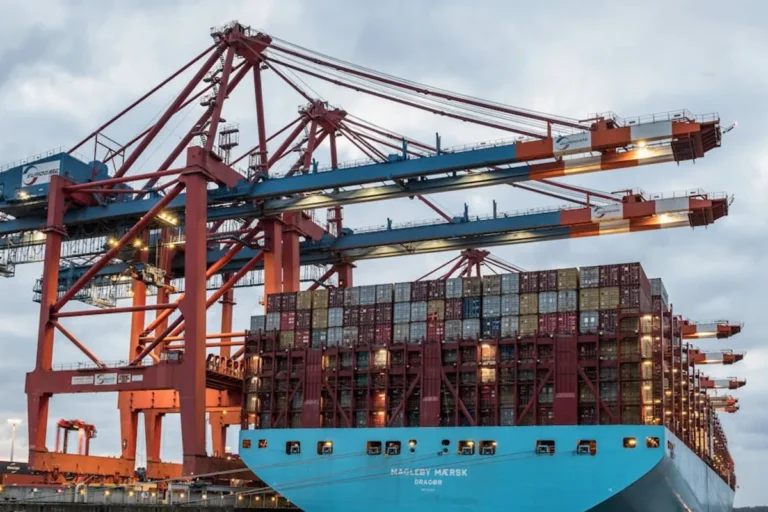
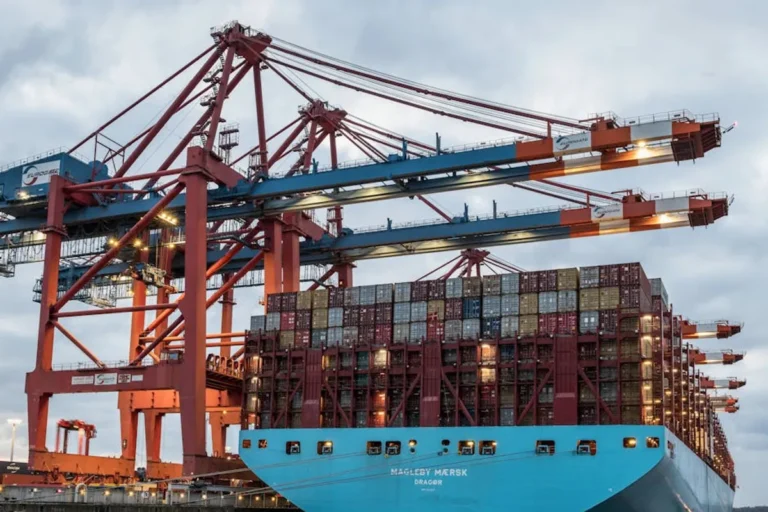
Transshipment, in contrast to delays, is a planned and intentional process where cargo is transferred from one mode of transport or vessel to another during its journey to the final destination. It is a strategic logistical maneuver designed to optimize routes, reduce costs, or reach destinations not directly served by a single carrier or route.
Primary Purposes:
- Route Optimization: Allows carriers to consolidate cargo from multiple origins onto larger vessels for long-haul segments, then redistribute to smaller vessels or other transport modes for final delivery.
- Cost Efficiency: Often more economical than direct shipping, especially for less-than-container-load (LCL) shipments, as it leverages economies of scale on main routes.
- Access to Remote Destinations: Enables goods to reach ports or regions that do not have direct shipping lines from the origin, utilizing major hub ports as transfer points.
- Intermodal Flexibility: Facilitates the seamless transfer between different transport modes—e.g., sea to rail, air to road—to leverage each mode's strengths.
Process and Considerations: Goods are unloaded at an intermediate port (a transshipment hub), temporarily stored, and then reloaded onto another vessel or transport vehicle. While planned, transshipment introduces additional handling points, which inherently carry a higher risk of damage, loss, or misrouting compared to direct shipping. Customs procedures at the transshipment port might also be required, adding complexity and potential for minor delays if documentation is not perfectly managed.
Key Distinctions: Delays vs. Transshipment
The fundamental differences lie in intent, predictability, and impact on supply chain management.
Intent and Planning
Shipping Delays: Unintentional and reactive. They are disruptions that occur despite planning, requiring adaptive responses.
Transshipment: Intentional and proactive. It is a pre-planned part of the shipping route, designed for efficiency or necessity.
Control and Predictability
Shipping Delays: Largely uncontrollable and unpredictable. While risks can be mitigated, the specific timing and nature of a delay are often outside direct control.
Transshipment: Highly controllable and predictable. The transfer points and timings are factored into the initial shipping schedule, though external factors at transshipment hubs can still introduce minor variations.
Impact on Supply Chain Costs
Shipping Delays: Almost always result in increased, unplanned costs (demurrage, detention, expedited shipping, lost sales).
Transshipment: Aims to reduce overall shipping costs by optimizing routes and leveraging hub efficiency, though it introduces handling fees at the intermediate port which are part of the planned cost structure.
Mitigation and Management Strategies
Shipping Delays: Require robust risk management, real-time tracking, contingency planning (e.g., buffer stock, alternative routes), and transparent communication.
Transshipment: Requires careful selection of transshipment hubs, reliable partners, precise documentation, and clear communication with all parties involved in the transfer process.
Pro Tip: For both shipping delays and transshipment, meticulous documentation is paramount. Incorrect or incomplete paperwork is a leading cause of customs holds and administrative delays, whether at the final destination or an intermediate transshipment point. Ensure all manifests, bills of lading, commercial invoices, and customs declarations are accurate and accessible digitally to minimize friction.
Strategic Implications for Logistics Management
Understanding these distinctions is not merely academic; it drives strategic decisions in logistics. For shipping delays, the focus shifts to resilience and responsiveness—building supply chains that can absorb shocks and recover quickly. This involves diversifying suppliers and carriers, implementing advanced tracking technologies for real-time visibility, and establishing clear communication protocols for informing customers. For transshipment, the strategy revolves around optimization and network design—selecting the most efficient routes and reliable transshipment partners to balance cost, speed, and risk. Businesses must evaluate whether the cost savings or expanded market access offered by transshipment outweigh the added handling risks. Proactive management of both scenarios is essential for maintaining predictable lead times, controlling costs, and ultimately, ensuring customer satisfaction in a complex global trade environment.
Frequently Asked Questions
Is transshipment always considered a delay?
No. Transshipment is a planned part of a shipping route where cargo is intentionally transferred between vessels or transport modes. While the transfer process adds time to the overall journey, it is scheduled and not an unexpected delay.
How can businesses minimize the impact of shipping delays?
Businesses can mitigate delay impacts through robust risk assessment, diversifying shipping routes and carriers, maintaining buffer stock, utilizing real-time tracking and visibility tools, and establishing clear communication plans for customers and partners.
Does transshipment add to the overall shipping cost?
Transshipment involves additional handling fees at the intermediate port. However, it often reduces overall shipping costs by allowing carriers to consolidate cargo and use more efficient, larger vessels for long-haul segments, making it more economical than direct routes for certain shipments.
What is the primary benefit of using transshipment in logistics?
The primary benefit of transshipment is its ability to optimize shipping routes, reduce overall freight costs by leveraging economies of scale, and enable access to destinations that do not have direct shipping services from the origin port.