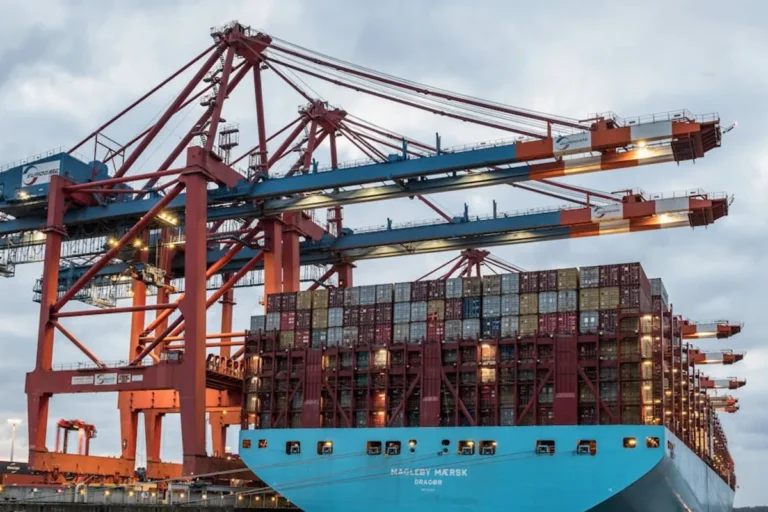
Port congestion presents a consistent financial challenge across global supply chains, translating directly into increased operational expenditures for businesses. These costs manifest as demurrage and detention charges, higher inventory holding costs, expedited shipping fees, and lost sales opportunities due to delays. Effectively reducing these costs requires a multi-faceted approach, integrating proactive planning, operational efficiency, and robust financial safeguards. Focusing on these areas allows organizations to mitigate the financial drain caused by unpredictable port delays and optimize their logistics spend. Proactive strategies can significantly alleviate these financial burdens, making understanding port congestion a key priority for efficient global trade.
Understanding the Financial Impact of Port Congestion
The financial ramifications of port congestion extend beyond immediate shipping charges. Demurrage, levied by carriers for containers remaining too long at the port terminal, and detention, charged for keeping carrier-owned containers beyond the free time outside the port, are direct and often substantial costs. Indirect expenses include increased warehousing costs for goods awaiting shipment or pickup, higher insurance premiums due to extended transit times, and the potential for lost market share if products do not reach shelves on time. Furthermore, the need for last-minute air freight or alternative, more expensive transport modes to compensate for delays significantly inflates budgets. Labor costs can also rise due to overtime required to handle irregular cargo flows. Navigating these complex charges and indirect costs requires careful attention to avoid common ocean freight mistakes that can escalate expenses.
Proactive Planning and Data-Driven Decision Making
Mitigating congestion costs begins with foresight and informed choices, leveraging available data to anticipate and circumvent bottlenecks.
Leveraging Real-time Visibility Tools
Modern supply chain visibility platforms provide real-time tracking of vessels, containers, and port conditions. This data allows logistics teams to monitor congestion levels at various ports, predict potential delays, and reroute shipments proactively. Early warnings enable adjustments to inland transportation, warehousing, and production schedules, preventing last-minute, costly changes.
Best for: Supply chain managers needing predictive insights to optimize routing and scheduling.
Strategic Port Selection
Relying solely on the closest or traditionally used port can be costly if that port is frequently congested. Analyzing historical and real-time congestion data for alternative ports, even those slightly further away, can reveal opportunities for significant savings. A port with higher terminal efficiency or better inland connectivity, despite a longer sea leg, may result in lower overall transit times and reduced demurrage/detention risks.
Best for: Importers/exporters with flexibility in port of entry/exit, seeking to balance transit time with cost efficiency.
Optimized Inventory Management
Port delays directly impact inventory holding costs. Companies can reduce these by implementing inventory strategies that account for potential disruptions. This may involve adjusting safety stock levels, utilizing regional distribution centers to buffer against single-port failures, or adopting a more dynamic inventory replenishment model. The goal is to minimize excess inventory tied up in transit or at port, while still meeting demand.
Best for: Businesses with high inventory carrying costs or strict delivery schedules.
Operational Efficiency Improvements
Streamlining internal and external processes directly impacts the speed and cost of cargo movement through congested ports.
Streamlining Documentation and Customs Processes
Delays often stem from incomplete or incorrect documentation. Implementing digital solutions for document submission, pre-clearing customs where possible, and ensuring all paperwork is accurate and submitted well in advance can significantly reduce dwell times at port. Automated systems can flag discrepancies before they cause costly hold-ups.
Best for: Reducing administrative delays and avoiding fines associated with incorrect documentation.
Just-in-Time (JIT) vs. Just-in-Case (JIC) Strategies
While JIT aims to minimize inventory and storage costs, port congestion can make it risky, leading to production stoppages. A balanced approach, sometimes referred to as "Just-in-Case" for critical components or high-demand products, may involve maintaining slightly higher safety stock or using diversified sourcing. The decision hinges on a careful cost-benefit analysis of carrying extra inventory versus the cost of production halts or lost sales.
Best for: Manufacturing and retail sectors where supply chain reliability directly impacts production or sales.
Collaborative Logistics Networks
Engaging in collaborative logistics, such as sharing container space, consolidating shipments with other businesses, or participating in port community systems, can optimize resource utilization. This approach can lead to better negotiation power with carriers, reduced individual operational costs, and faster processing times at terminals that prioritize consolidated or pre-arranged cargo.
Best for: Small to medium-sized enterprises seeking to leverage economies of scale and improve port access.
Pro Tip: Always review your carrier contracts for demurrage and detention clauses. Negotiate for extended free time, especially for frequently congested routes. Even a few extra days of free time can save thousands of dollars per container when delays are unavoidable.
Financial and Contractual Safeguards
Protecting against the financial fallout of congestion involves careful contract negotiation and risk transfer mechanisms.
Negotiating Favorable Contract Terms
Beyond free time for demurrage and detention, contracts should include clear clauses regarding liability for delays, force majeure events, and options for alternative routing. Long-term contracts with preferred carriers can sometimes offer more flexibility and better rates during periods of high congestion. Consider performance-based incentives or penalties related to schedule adherence.
Best for: Establishing clear responsibilities and mitigating financial exposure due to carrier-related delays.
Utilizing Marine Insurance
While marine insurance primarily covers loss or damage to cargo, certain policies can be tailored to include coverage for financial losses due to transit delays, including those caused by port congestion. Reviewing existing policies and discussing specific delay coverage with an insurer can provide a financial safety net against unforeseen disruptions.
Best for: Protecting against significant financial losses from prolonged delays or cargo damage during extended port stays.
Actionable Strategies for Cost Reduction
To effectively reduce costs associated with port congestion, businesses should focus on these actionable strategies:
- Implement advanced analytics for predictive modeling of port conditions.
- Diversify port usage and carrier relationships to avoid reliance on single points of failure.
- Invest in digital platforms for end-to-end supply chain visibility.
- Regularly audit and optimize internal customs and documentation processes.
- Negotiate comprehensive service level agreements (SLAs) with logistics partners.
- Educate internal teams on the financial impact of delays and best practices for prevention.
Frequently Asked Questions
What is the primary cost driver in port congestion?
The primary cost drivers are demurrage (charges for containers at the terminal) and detention (charges for containers outside the terminal), alongside increased inventory holding costs and expedited shipping fees.
How can small businesses compete with larger companies in managing congestion?
Small businesses can leverage freight forwarders with extensive networks, participate in collaborative logistics initiatives, and focus on meticulous documentation to avoid unnecessary delays.
Is it always better to choose a less congested port, even if it's further away?
Not always. A cost-benefit analysis is crucial, weighing the potentially lower congestion costs against increased inland transportation expenses, longer transit times, and any additional handling fees at the alternative port.
What role does technology play in reducing congestion costs?
Technology provides real-time visibility into port operations and cargo movements, enabling predictive analysis, optimized routing, automated documentation, and improved communication across the supply chain to anticipate and mitigate delays.