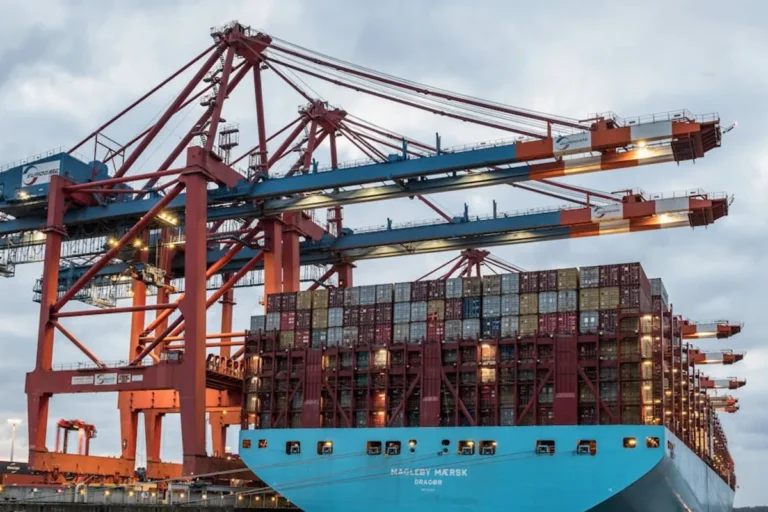
Reducing ocean freight costs is a critical financial objective for businesses engaged in international trade. The complexity of global supply chains, coupled with fluctuating fuel prices, port congestion, and regulatory changes, makes managing these expenses a continuous challenge. Effective cost reduction isn't about cutting corners; it involves strategic planning, operational efficiency, and informed decision-making across the entire shipping process. This guide outlines actionable strategies to achieve substantial savings without compromising service quality or reliability. Effective cost reduction involves adopting reliable supply chain strategies that balance efficiency with service quality.
Optimizing Container Utilization
Maximizing the space within each shipping container directly translates to lower per-unit freight costs. Underutilized containers mean paying for empty air, a significant inefficiency.
Maximize Cubic Space and Weight Limits
Efficient loading techniques are paramount. This involves precise planning of cargo dimensions and weight distribution. Tools like palletizing software or even detailed manual calculations can help determine the optimal configuration for your goods within standard container sizes (20-foot, 40-foot, 40-foot high cube). Ensure you understand the maximum payload capacity for both cubic volume and weight. Overweight containers incur surcharges and potential delays, while under-weight but volume-constrained containers represent missed opportunities for additional cargo.
Best for: Shippers with consistent product dimensions or high-volume, regular shipments.
Consolidate Shipments Effectively
For smaller consignments, Less Than Container Load (LCL) shipping might seem economical initially, but it often carries higher per-unit costs due to consolidation fees, handling charges, and potential delays. Consolidating multiple LCL shipments into a Full Container Load (FCL) can yield significant savings. This requires careful inventory management and coordination with suppliers or customers to align shipping schedules. Freight forwarders often offer consolidation services, pooling cargo from various shippers into FCLs, passing on a portion of the savings.
Best for: Businesses with frequent, smaller orders from multiple suppliers or to various destinations.
Strategic Carrier Selection and Negotiation
The choice of carrier and the terms negotiated are foundational to controlling ocean freight expenses. Market knowledge and negotiation leverage are key assets.
Leverage Volume and Long-Term Contracts
Carriers offer more favorable rates to shippers who can commit to consistent volume over a defined period. If your shipping volumes are substantial or predictable, explore annual contracts or service agreements. These contracts often lock in rates, providing stability against market fluctuations. Even for smaller shippers, aggregating volume through a freight forwarder can grant access to better rates than individual direct negotiations.
Best for: Shippers with predictable, high-volume cargo flows.
Understand Surcharges and Hidden Fees
Base ocean freight rates are only one component of the total cost. A multitude of surcharges can inflate the final bill, including Bunker Adjustment Factor (BAF), Currency Adjustment Factor (CAF), Peak Season Surcharge (PSS), Terminal Handling Charges (THC), and various port fees. Scrutinize all quotes to understand every line item. Negotiate not just the base rate, but also the applicability and calculation method of these surcharges. Some surcharges are non-negotiable, but understanding their triggers helps in planning.
Best for: All shippers, to prevent unexpected cost escalations.
Route and Mode Efficiency
The path your cargo takes and the combination of transport modes employed directly impact both transit time and cost.
Evaluate Direct vs. Transshipment Services
Direct services offer faster transit times but often come at a premium. Transshipment services, where cargo is transferred between vessels at an intermediate port, can be more economical. Analyze the trade-off between speed and cost based on your inventory holding costs, customer delivery expectations, and product perishability. For non-urgent cargo, transshipment can be a viable cost-saving option.
Best for: Cargo with flexible delivery timelines.
Consider Intermodal Solutions
Integrating ocean freight with rail or truck transport for the inland leg of the journey can optimize overall logistics costs. For instance, shipping a container by rail from an inland origin to a port, rather than entirely by truck, can reduce fuel costs and carbon footprint. Evaluate the availability and efficiency of intermodal networks at both origin and destination. Evaluating intermodal networks helps prevent common shipping mistakes to avoid unnecessary costs and delays.
Best for: Shippers with significant inland transportation requirements.
Documentation Accuracy and Compliance
Errors in paperwork lead to delays, fines, and additional charges, directly impacting overall freight costs.
Prevent Demurrage and Detention Charges
Demurrage is a charge applied by the shipping line for containers remaining at the port terminal beyond the allotted free time. Detention is a charge for containers kept outside the terminal beyond the free time. Both accrue daily and can quickly become substantial. Plan for efficient cargo clearance and pick-up/return schedules. Communicate clearly with consignees and trucking companies to ensure timely movement of containers.
Best for: All shippers, to avoid preventable penalties.
Ensure Correct Customs Declarations
Accurate and complete documentation, including commercial invoices, packing lists, bills of lading, and customs declarations, is crucial. Incorrect Harmonized System (HS) codes, undervalued goods, or missing permits can lead to customs holds, inspections, fines, and delays. Invest in meticulous documentation processes or work with experienced customs brokers to ensure compliance.
Best for: All shippers, to ensure smooth customs clearance.
Pro Tip: Always book ocean freight well in advance, especially during peak seasons or before major holidays. Last-minute bookings frequently incur premium rates and may face capacity shortages, leading to higher costs and potential delays. Early planning provides more options and better negotiating power.
Technology Integration for Visibility and Control
Leveraging technology provides insights and automation necessary for sustained cost reduction.
Utilize Freight Management Systems (FMS)
An FMS centralizes shipping data, automates booking processes, tracks shipments in real-time, and manages documentation. This improves operational efficiency, reduces manual errors, and provides a consolidated view of shipping costs. By streamlining workflows, an FMS can indirectly reduce costs associated with administrative overhead and error correction.
Best for: Businesses with complex or high-volume shipping operations.
Data Analysis for Continuous Improvement
Collect and analyze data on freight costs, transit times, carrier performance, and surcharge variations. Identifying trends, bottlenecks, and areas of consistent overspending allows for targeted interventions. Regular performance reviews with carriers and freight forwarders, backed by data, can inform future contract negotiations and operational adjustments.
Best for: Any business committed to ongoing optimization of logistics spend.
Strategic Cost Management in Ocean Freight
Achieving significant cost reductions in ocean freight requires a holistic approach, integrating operational efficiency with strategic procurement and robust oversight. It's an ongoing process of analysis, negotiation, and adaptation to market conditions. By focusing on container optimization, intelligent carrier engagement, efficient routing, meticulous documentation, and leveraging technology, businesses can build a resilient and cost-effective supply chain. Proactive management not only saves money but also enhances reliability and customer satisfaction.
Frequently Asked Questions
What are common hidden costs in ocean freight?
Beyond the base rate, common hidden costs include various surcharges (BAF, CAF, PSS), terminal handling charges, chassis usage fees, port congestion surcharges, customs duties and taxes, and potential demurrage or detention charges if containers are not handled promptly.
How do Incoterms affect total ocean freight cost?
Incoterms (International Commercial Terms) define the responsibilities of buyers and sellers for the delivery of goods, including who pays for and manages freight, insurance, and customs. Choosing the right Incoterm, such as FOB (Free On Board) or EXW (Ex Works), can shift cost responsibility and control, potentially allowing the buyer to negotiate better freight rates directly.
Is working with a freight forwarder always cheaper than direct carrier booking?
Not always, but often. Freight forwarders consolidate cargo from multiple clients, giving them greater volume leverage with carriers to secure more competitive rates than individual shippers might achieve. They also handle documentation, customs, and intermodal arrangements, which can lead to overall cost savings and reduced administrative burden, especially for smaller or less experienced shippers.
What is the impact of fuel prices on ocean freight costs?
Fuel prices directly influence the Bunker Adjustment Factor (BAF), a variable surcharge added to the base freight rate. As fuel prices fluctuate, the BAF adjusts, impacting the total cost. Shippers should monitor global oil prices and understand how carriers calculate their BAF to anticipate cost changes.