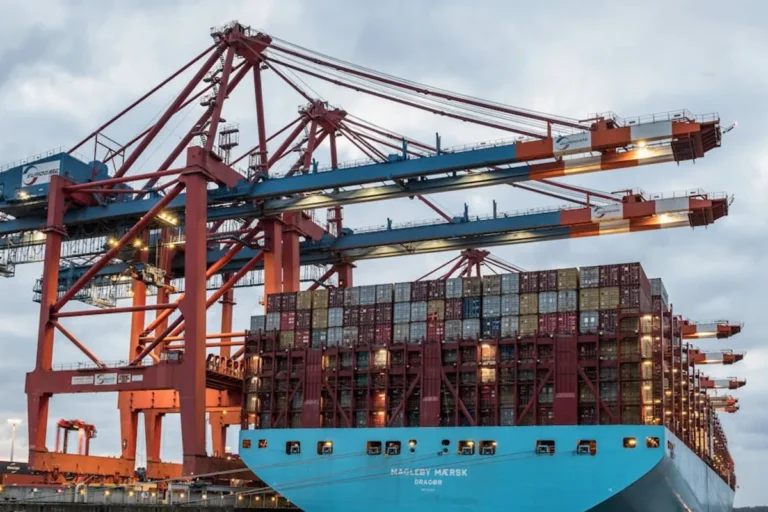
The landscape of global trade is undergoing a fundamental shift, driven by technological advancements that are redefining how shipping documentation is created, managed, and shared. For businesses navigating complex supply chains, understanding these changes is not merely an operational concern but a strategic imperative. The traditional reliance on paper-based manifests, bills of lading, customs declarations, and certificates of origin introduces inherent inefficiencies: manual data entry errors, significant delays in processing, vulnerability to loss or damage, and a lack of real-time visibility. Modern solutions directly address these pain points, offering pathways to enhanced compliance, reduced operational costs, and accelerated cargo movement. This evolution impacts everything from regulatory adherence to customer satisfaction, making informed adoption of these technologies critical for maintaining competitive advantage and operational resilience. Understanding shipping document basics is crucial for navigating complex supply chains.
Digitization and Cloud-Based Platforms for Documentation
The foundational change in shipping documentation begins with digitization. Moving from physical paper to electronic formats (e-documents) allows for instant transmission, secure storage, and easier retrieval. Cloud-based platforms amplify these benefits by providing centralized repositories accessible globally, enabling all stakeholders—shippers, carriers, freight forwarders, customs brokers, and consignees—to access and update documentation in real-time.
Commercial Impact:
- Reduced Administrative Overhead: Eliminates printing, mailing, and physical archiving costs.
- Faster Processing Times: Digital documents can be generated, reviewed, and approved far more quickly than their paper counterparts, accelerating customs clearance and overall transit times.
- Enhanced Collaboration: Multiple parties can view and collaborate on documents simultaneously, reducing communication delays and errors.
- Improved Data Accuracy: Digital forms often incorporate validation rules, minimizing human error during data entry.
- Disaster Recovery: Cloud storage provides robust backup and recovery solutions, protecting against data loss from physical damage or local system failures.
Automation and Artificial Intelligence in Document Management
Beyond simple digitization, automation and artificial intelligence (AI) are transforming the very creation and verification of shipping documents. Robotic Process Automation (RPA) can automate repetitive tasks such as data extraction from invoices or purchase orders to populate bills of lading, while AI-powered optical character recognition (OCR) can accurately convert scanned paper documents into editable digital text, even from varied formats.
AI algorithms can also be trained to cross-reference data across multiple documents, identifying discrepancies or potential compliance issues before submission. This proactive error detection is crucial for avoiding costly delays and penalties.
Key Applications:
- Automated Data Entry: RPA tools automatically fill out forms using data from other systems, ensuring consistency and speed.
- Document Validation: AI reviews documents for completeness, accuracy, and adherence to regulatory standards (e.g., tariff codes, country-specific requirements).
- Predictive Compliance: AI can analyze historical data to predict potential customs issues or suggest optimal routes based on documentation requirements.
- Fraud Detection: Advanced AI can identify patterns indicative of fraudulent documentation, enhancing security.
Pro Tip: When implementing automated documentation systems, prioritize interoperability. Ensure new platforms can seamlessly integrate with existing Enterprise Resource Planning (ERP) or Transportation Management Systems (TMS) to avoid data silos and maximize efficiency. Standardized data formats, like those promoted by organizations such as the UN/CEFACT, facilitate smoother data exchange across disparate systems and partners.
Blockchain for Enhanced Security and Traceability
Blockchain technology offers a decentralized, immutable ledger for recording transactions, making it uniquely suited for enhancing the security and transparency of shipping documentation. Each document or transaction can be cryptographically linked in a chain, creating an unalterable record that is accessible to all authorized parties. This eliminates the need for intermediaries to verify authenticity and significantly reduces the risk of fraud or tampering. Blockchain can also facilitate streamlined customs processes through enhanced transparency and security.
Blockchain's Role:
- Immutable Records: Once a document is added to the blockchain, it cannot be altered, providing an indisputable audit trail.
- Enhanced Trust: All parties in the supply chain can trust the authenticity and integrity of shared documents without relying on a central authority.
- Smart Contracts: Automated execution of agreements (e.g., payment release upon proof of delivery) based on predefined conditions recorded on the blockchain, reducing manual intervention and disputes.
- Improved Traceability: A complete history of document creation, modification, and transfer is transparently available, enhancing visibility into the entire shipping process.
Internet of Things (IoT) for Real-time Data Integration
The Internet of Things (IoT) contributes to shipping documentation by providing real-time, verifiable data that can automatically update or validate associated documents. Sensors placed on cargo or containers can monitor conditions like temperature, humidity, shock, or location. This data can then be integrated directly into digital shipping manifests or proof-of-delivery documents, adding a layer of objective verification.
Practical Applications:
- Automated Proof of Delivery: GPS data from IoT devices can automatically confirm cargo arrival at a specific location, triggering digital delivery receipts.
- Condition Monitoring: Temperature sensors can provide auditable proof that cold chain requirements were maintained, automatically updating health certificates or bills of lading.
- Inventory Accuracy: IoT-enabled tracking can provide real-time inventory updates that feed directly into commercial invoices or packing lists.
Strategic Adoption for Future-Proofing Operations
The technological evolution in shipping documentation is not a singular event but an ongoing process of integration and refinement. Businesses that proactively embrace these changes stand to gain significant operational efficiencies, reduce compliance risks, and improve their overall supply chain resilience. The transition requires careful planning, investment in appropriate platforms, and a commitment to training personnel. Prioritizing interoperability and data security will be critical to successful implementation, ensuring that new systems enhance rather than complicate existing workflows. Ultimately, the goal is to create a more transparent, efficient, and secure global trade ecosystem where documentation acts as an accelerator, not a bottleneck.
Frequently Asked Questions
What are the primary benefits of digitizing shipping documents?
Digitizing shipping documents offers several key benefits, including reduced administrative costs, faster processing times, improved data accuracy, enhanced collaboration among supply chain partners, and greater protection against data loss through cloud-based storage and backup solutions.
Is blockchain technology essential for all shipping documentation?
While not strictly essential for all operations, blockchain technology provides unparalleled security, traceability, and trust for critical shipping documents. It is particularly valuable for high-value goods, complex international shipments, or scenarios where immutable records and verifiable authenticity are paramount to mitigate fraud and disputes.
How does AI improve compliance in shipping documentation?
AI improves compliance by automating data validation, cross-referencing information across multiple documents to identify discrepancies, and flagging potential regulatory issues before submission. This proactive approach helps businesses avoid errors, delays, and penalties associated with non-compliant documentation.
What are the initial challenges when adopting new shipping documentation technology?
Initial challenges often include the upfront investment in new software and infrastructure, ensuring seamless integration with existing legacy systems, overcoming resistance to change from staff, and establishing robust data security protocols. Selecting scalable solutions and providing comprehensive training are crucial for a smooth transition.