The shipping container, a ubiquitous symbol of global trade, is undergoing a fundamental transformation driven by technological advancements. Once a passive vessel for goods, it is rapidly evolving into an intelligent, data-generating unit. This shift fundamentally redefines logistics, supply chain management, and cargo security. For businesses operating within or relying on global shipping, understanding these changes is critical for maintaining efficiency, reducing costs, and ensuring competitive advantage in a complex, interconnected marketplace.
Smart Containers and IoT Integration
The most significant technological shift involves integrating Internet of Things (IoT) sensors and connectivity directly into shipping containers. These "smart containers" move beyond simple tracking devices, offering granular data points throughout a container's journey. This data provides unprecedented visibility into cargo conditions and location, moving from reactive problem-solving to proactive management. Avoiding common mistakes in container shipping is crucial for efficient cargo handling.
Real-time Visibility and Asset Tracking
IoT-enabled containers incorporate GPS and cellular or satellite communication modules. This allows for continuous, real-time location tracking, providing precise coordinates of a container's whereabouts at any given moment. This capability is essential for:
- Theft Prevention: Immediate alerts upon unauthorized movement or deviation from planned routes.
- Route Optimization: Dynamic adjustments to avoid congestion or delays, improving estimated times of arrival (ETAs).
- Inventory Management: Enhanced accuracy in predicting stock arrival, allowing for better warehouse and distribution planning.
Beyond location, accelerometers can detect impacts or unusual vibrations, providing insights into handling quality and potential damage during transit.
Environmental Monitoring for Sensitive Cargo
For industries handling perishable goods, pharmaceuticals, or high-value electronics, environmental conditions within a container are paramount. Smart containers integrate sensors to monitor:
- Temperature: Crucial for refrigerated cargo (reefers), ensuring compliance with cold chain requirements. Alerts trigger if temperatures deviate from a set range, preventing spoilage.
- Humidity: Important for moisture-sensitive items, preventing mold, corrosion, or degradation.
- Light Exposure: Detects if a container has been opened unexpectedly, indicating potential tampering or security breaches.
This level of environmental control and data logging provides an auditable trail, which is invaluable for regulatory compliance and insurance claims, offering concrete evidence of proper handling conditions.
Automation in Container Handling and Logistics
Technology is also revolutionizing the physical handling and movement of containers within ports, terminals, and distribution centers. Automation is reducing reliance on manual labor, increasing operational speed, and improving safety.
Port and Terminal Efficiency
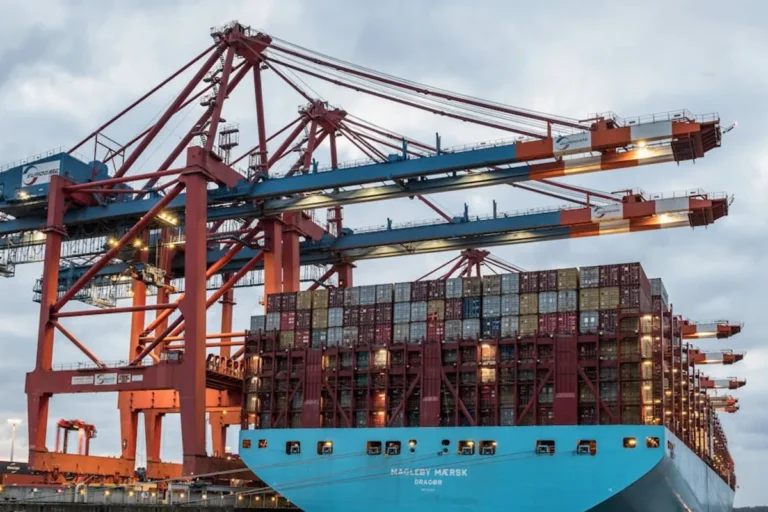
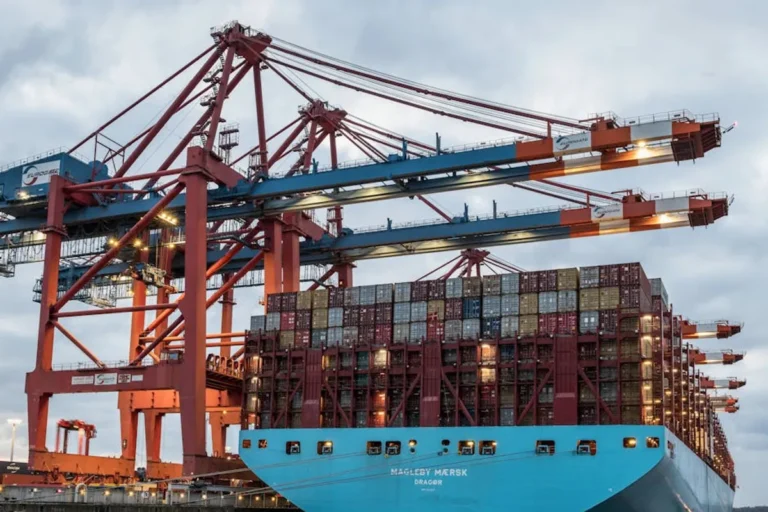
Automated cranes, often remotely operated or fully autonomous, are becoming standard in modern container terminals. These systems can load and unload vessels with greater precision and speed, operating 24/7 without human fatigue constraints. Automated Guided Vehicles (AGVs) transport containers across terminal yards, optimizing flow and reducing human error. This automation translates directly to:
- Faster vessel turnaround times.
- Reduced operational costs through optimized resource allocation.
- Improved safety by minimizing human exposure to heavy machinery.
Automated Warehousing Integration
The integration of container logistics with automated warehousing systems (like Automated Storage and Retrieval Systems – AS/RS) is creating more seamless supply chains. Containers can be moved directly from a port to an adjacent automated facility, minimizing intermediate handling and reducing transit times from port to final distribution. This reduces bottlenecks and improves overall supply chain fluidity.
Blockchain for Supply Chain Transparency
Beyond physical and sensory advancements, blockchain technology is addressing the administrative and trust aspects of container shipping. By providing a decentralized, immutable ledger, blockchain enhances transparency and security across the entire supply chain. Blockchain technology also helps in streamlining customs procedures for faster clearance.
Immutable Record Keeping
Each stage of a container's journey—from loading and customs clearance to transfer of ownership and delivery—can be recorded as a transaction on a blockchain. This creates a permanent, tamper-proof record accessible to all authorized parties. This eliminates disputes over documentation, provides clear accountability, and drastically reduces opportunities for fraud or errors associated with paper-based systems.
Streamlined Documentation and Payments
Digital smart contracts, enabled by blockchain, can automate processes like payment releases upon verified delivery or customs clearance. This reduces administrative overhead, accelerates financial transactions, and minimizes delays caused by manual document processing or verification.
Pro Tip: Implementing these technologies requires a robust cybersecurity framework. Real-time data from smart containers, if compromised, can expose critical supply chain vulnerabilities and sensitive cargo information, leading to significant financial and reputational damage. Prioritize end-to-end encryption, multi-factor authentication, and stringent access controls from the outset.
Advanced Materials and Design
Technological innovation extends to the very construction of shipping containers themselves. New materials and design principles are enhancing durability, reducing environmental impact, and enabling specialized applications.
Enhanced Durability and Sustainability
Research into lightweight composites and advanced alloys aims to create containers that are stronger, more resistant to corrosion, and lighter than traditional steel units. This reduces fuel consumption during transport and extends the lifespan of the containers, lowering replacement costs and contributing to sustainability goals. Smart coatings that self-heal minor scratches or change color to indicate temperature fluctuations are also emerging.
Modular and Specialized Designs
Technology enables more flexible and specialized container designs. Modular components allow for easier repair and customization for unique cargo requirements. For instance, containers with integrated power generation, advanced ventilation systems, or specialized racking for delicate equipment are becoming more common, moving beyond the standard dry-van configuration.
Data Analytics and Predictive Maintenance
The vast amounts of data generated by smart containers and automated systems are only valuable if they can be analyzed effectively. Advanced analytics and machine learning are turning raw data into actionable insights.
Optimizing Logistics and Route Planning
By analyzing historical and real-time data on weather patterns, port congestion, customs delays, and container performance, AI-powered systems can predict potential disruptions and recommend optimal routes. This dynamic route optimization minimizes transit times, reduces fuel consumption, and enhances delivery reliability, moving beyond static, pre-planned schedules.
Predictive Maintenance for Assets
Sensors monitoring the structural integrity of containers, the performance of refrigeration units, or the wear on automated handling equipment feed data into predictive maintenance algorithms. These algorithms identify patterns that precede equipment failure, allowing for scheduled maintenance before a breakdown occurs. This reduces costly unplanned downtime, extends equipment life, and ensures operational continuity.
Strategic Integration for Future Operations
The technological evolution of shipping containers is not a series of isolated advancements but a converged ecosystem. Successful adoption requires a holistic strategy that integrates smart containers, automation, blockchain, and data analytics into a cohesive operational framework. Businesses that strategically invest in these technologies stand to gain significant advantages in efficiency, security, and customer satisfaction. The industry is moving towards a future where every container is a connected node in an intelligent global network, demanding a proactive approach to technology adoption and integration.
Frequently Asked Questions
What is a "smart container"?
A smart container is a shipping container equipped with IoT sensors and communication devices that collect and transmit real-time data on its location, environmental conditions (like temperature and humidity), and physical state (such as impacts or door openings) throughout its journey.
How do these technologies improve shipping security?
Technologies improve security through real-time GPS tracking for theft prevention, sensors that detect unauthorized door openings or impacts, and blockchain's immutable ledger for transparent record-keeping, which reduces fraud and tampering risks.
What are the main benefits for logistics companies?
Logistics companies benefit from enhanced operational efficiency, reduced transit times, lower fuel consumption, improved cargo security, better inventory management, and the ability to provide customers with real-time visibility and accurate delivery predictions.
What are the primary challenges in adopting these new technologies?
Key challenges include the initial investment costs for smart containers and automation infrastructure, ensuring interoperability between disparate systems, managing the vast amounts of data generated, and establishing robust cybersecurity protocols to protect sensitive information.