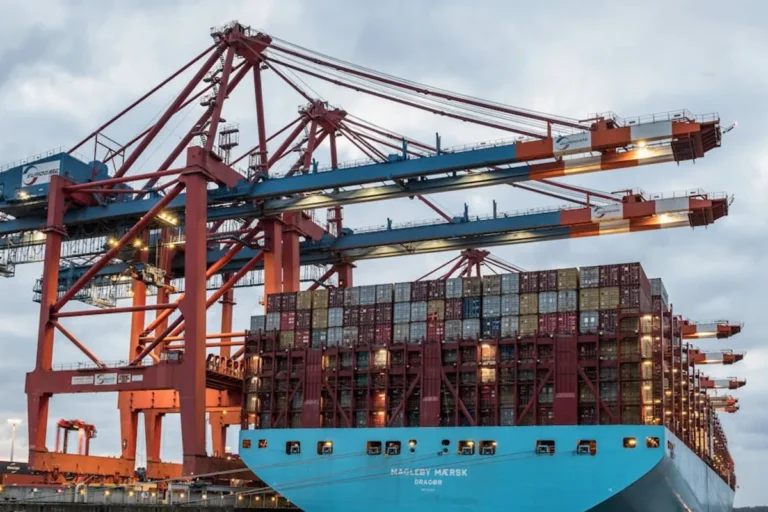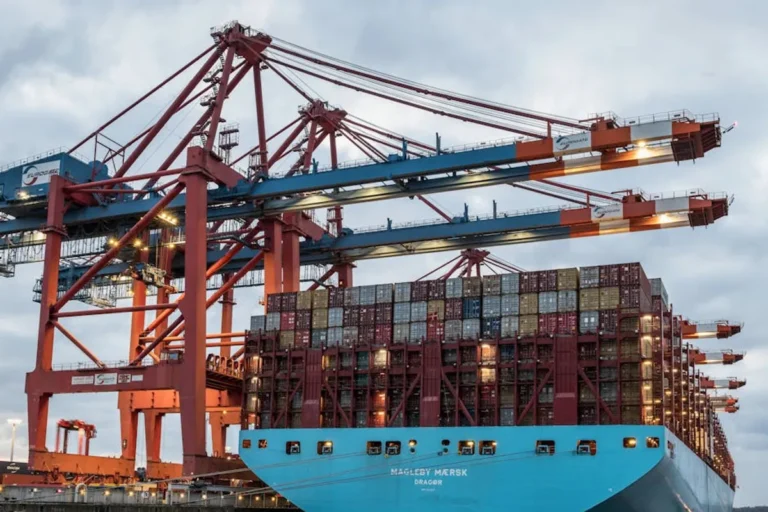
Port congestion, a persistent bottleneck in global supply chains, exacts significant economic penalties through delays, increased fuel consumption, and missed delivery windows. Traditionally, managing this complexity relied on manual coordination, historical data, and reactive responses, often leading to inefficiencies exacerbated by unforeseen events like weather disruptions or sudden cargo surges. The critical shift now involves leveraging advanced technology to move beyond reactive mitigation towards proactive prediction and optimization. This evolution is not merely about incremental improvements; it represents a fundamental re-architecture of port operations, offering stakeholders from shipping lines to logistics providers a path to greater reliability, reduced costs, and enhanced competitive advantage. Understanding the core issues of what port congestion entails is the first step toward implementing technological solutions.
Real-Time Visibility and Predictive Analytics
The foundation of modern port management lies in comprehensive, real-time data collection and its subsequent analysis. Technology now provides the tools to gather granular information across the entire port ecosystem, transforming static operational views into dynamic, predictive models. This data-driven approach helps avoid common mistakes in port automation by providing real-time insights into operational bottlenecks.
IoT Sensors and Data Streams
Internet of Things (IoT) devices are deployed across various port assets to capture continuous data. Sensors on cranes monitor operational status and maintenance needs, while those on containers track location, temperature, and humidity. Vessel tracking systems provide precise arrival and departure times, and smart gates record truck movements. This constant influx of data feeds into centralized platforms, creating a digital twin of the port's physical state. This granular data allows port authorities and logistics firms to understand current capacity, identify potential chokepoints, and track assets with unprecedented accuracy.
AI-Powered Forecasting and Optimization
Artificial intelligence (AI) and machine learning (ML) algorithms process the massive datasets generated by IoT devices. These systems can predict vessel arrival delays based on weather patterns, historical performance, and real-time traffic. They forecast berth availability, optimize crane assignments, and anticipate yard congestion before it materializes. For instance, an AI model might predict a 15% increase in container dwell time for a specific cargo type arriving during peak hours, allowing port operators to pre-emptively adjust resource allocation. This predictive capability translates directly into reduced idle times for vessels and trucks, minimizing demurrage charges and improving throughput.
Automation and Operational Efficiency
Beyond data intelligence, physical automation is reshaping the speed and precision of cargo handling within ports. This reduces reliance on manual labor for repetitive tasks, mitigates human error, and allows for 24/7 operations.
Automated Guided Vehicles (AGVs) and Cranes
AGVs transport containers between berths, yards, and intermodal transfer points without human intervention, following optimized routes determined by central control systems. Automated stacking cranes (ASCs) efficiently stack and retrieve containers in the yard, maximizing space utilization and reducing retrieval times. These systems operate with sub-meter precision, significantly decreasing the risk of damage and improving the overall speed of container movement. Ports implementing these technologies report reductions in turnaround times for vessels and trucks, directly impacting supply chain velocity.
Drones for Surveillance and Inspection
Drones equipped with high-resolution cameras and thermal sensors perform rapid inspections of port infrastructure, including quay walls, cranes, and security perimeters. They can quickly assess damage, monitor construction progress, and detect unauthorized activity. This reduces the need for costly and time-consuming manual inspections, enhancing safety and operational continuity. Some ports use drones to monitor yard capacity in real-time, providing an aerial overview that complements ground-based sensor data.
Digital Platforms and Ecosystem Integration
Effective port operations require seamless information exchange among a multitude of stakeholders. Digital platforms are bridging these communication gaps, creating a more cohesive and transparent ecosystem.
Port Community Systems (PCS)
PCS platforms serve as central digital hubs, integrating data from shipping lines, terminal operators, customs agencies, freight forwarders, and trucking companies. They standardize communication protocols and provide a single window for submitting documentation, tracking cargo status, and coordinating logistics. This eliminates redundant data entry, reduces administrative delays, and ensures all parties operate with the most current information. The result is a significant reduction in paperwork and processing times, directly combating congestion caused by administrative bottlenecks.
Blockchain for Supply Chain Transparency
Blockchain technology offers an immutable, distributed ledger for tracking cargo, verifying documentation, and processing payments. Each transaction or event—from a container leaving its origin to clearing customs at the destination—is recorded securely and transparently. This reduces opportunities for fraud, streamlines customs procedures, and provides an auditable trail for all parties involved. For instance, smart contracts can automatically release payments upon successful delivery, accelerating financial transactions and improving trust across the supply chain.
Simulation and Optimization with Digital Twins
Digital twin technology creates a virtual replica of a physical port, allowing operators to simulate various scenarios and test optimization strategies without disrupting live operations. This capability is invaluable for long-term planning and immediate problem-solving.
By simulating different vessel arrival schedules, container stacking strategies, or equipment deployment plans, port managers can identify potential bottlenecks and optimize resource allocation. This allows for proactive adjustments to port layouts, equipment purchases, or staffing levels based on data-driven insights. For example, a digital twin can model the impact of adding a new berth or reconfiguring a container yard, predicting its effect on overall throughput and congestion before any physical investment is made.
Pro Tip: Prioritize data standardization and interoperability. The effectiveness of any technology solution in combating port congestion hinges on its ability to seamlessly integrate with existing systems and share data across diverse platforms. Without a common data language, even the most advanced AI or IoT deployments will struggle to deliver their full predictive and optimizing potential.
Strategic Adoption for Future Resilience
The integration of advanced technologies into port operations is not a singular event but an ongoing strategic imperative. Ports that embrace these innovations are better positioned to manage the increasing volume and complexity of global trade. The commercial benefits extend beyond mere efficiency gains; they encompass enhanced resilience against disruptions, improved environmental performance through optimized routes and reduced idle times, and a stronger competitive stance in attracting shipping lines and logistics partners. Investing in these solutions is a commitment to a more predictable, cost-effective, and sustainable global supply chain.
Frequently Asked Questions
What are the primary benefits of technology in reducing port congestion?
Technology primarily offers real-time visibility, predictive analytics, and automation, leading to reduced vessel and truck idle times, optimized resource allocation, faster cargo processing, and improved supply chain predictability. This translates into significant cost savings and enhanced operational efficiency.
Is blockchain technology widely adopted in ports for congestion management?
While still in earlier stages compared to IoT or AI, blockchain is gaining traction, particularly for its ability to enhance transparency and streamline documentation in complex supply chains. Its adoption is growing as ports and logistics firms seek more secure and efficient ways to manage information exchange and customs processes.
What are the main challenges in implementing new technologies in ports?
Key challenges include the substantial initial investment required, ensuring interoperability between disparate legacy systems and new technologies, addressing data security and privacy concerns, and the need for workforce training to manage and operate these advanced systems effectively.