The global ocean freight industry, long characterized by its traditional processes and complex logistics, is undergoing a profound transformation driven by rapid technological advancements. This shift is not merely incremental; it represents a fundamental re-engineering of how goods move across oceans, impacting everything from operational efficiency and cost structures to supply chain transparency and risk management. For businesses relying on international shipping, understanding these technological currents is crucial for optimizing logistics, reducing expenditures, enhancing reliability, and securing a competitive edge in an increasingly interconnected global market. The integration of advanced digital tools is moving ocean freight from a historically opaque and manual system to a data-rich, predictive, and highly responsive ecosystem. This shift ultimately enhances reliable supply chain operations and transforms the industry.
Digital Platforms and Enhanced Visibility
One of the most immediate impacts of technology in ocean freight is the proliferation of digital platforms. These systems move traditional booking, documentation, and communication processes online, replacing faxes, emails, and phone calls with integrated dashboards. This digitization streamlines operations significantly. For example, shippers can now access real-time freight rates, compare carrier services, and book shipments through centralized portals, reducing the time spent on administrative tasks and improving decision-making speed.
- Centralized Booking: Consolidates carrier options and pricing, enabling faster comparisons and selections.
- Automated Documentation: Reduces manual errors and accelerates the processing of bills of lading, customs forms, and other critical paperwork.
- Real-time Tracking: Provides granular updates on cargo location and status, improving inventory management and customer communication.
- Predictive Analytics Integration: Leverages historical data to forecast transit times and potential delays with greater accuracy.
Internet of Things (IoT) and Sensor Technology
IoT devices and smart sensors are revolutionizing cargo monitoring. These small, robust devices can be attached to containers or individual packages, collecting and transmitting a wealth of data in real-time. This includes location, temperature, humidity, shock, and even light exposure. For sensitive cargo like pharmaceuticals, perishables, or high-value electronics, this level of environmental monitoring is invaluable. It allows for proactive intervention in case of deviations from optimal conditions, minimizing spoilage, damage, and loss. The data gathered also feeds into larger analytical systems, providing insights into common transit issues and informing future logistics planning.
Artificial Intelligence and Predictive Analytics
AI and machine learning algorithms are transforming raw data into actionable intelligence. In ocean freight, this translates to optimized route planning, demand forecasting, and predictive maintenance for vessels. AI can analyze vast datasets of weather patterns, port congestion, historical performance, and geopolitical events to recommend the most efficient and safest routes, reducing fuel consumption and transit times. Predictive analytics also helps carriers anticipate equipment failures, scheduling maintenance proactively to avoid costly breakdowns and delays. For shippers, this means more reliable delivery schedules and better inventory management.
Pro Tip: Successful adoption of new ocean freight technologies hinges on robust data integration. Businesses must prioritize platforms and partners that facilitate seamless data exchange between their own enterprise resource planning (ERP) systems, carrier platforms, and customs agencies to unlock the full potential of real-time visibility and predictive analytics. Disjointed data flows will severely limit commercial benefits.
Blockchain for Enhanced Transparency and Security
Blockchain technology offers a decentralized and immutable ledger for recording transactions and events across the supply chain. In ocean freight, this can create an unparalleled level of transparency and trust. Each step of a shipment – from booking and loading to customs clearance and delivery – can be recorded on a blockchain, creating a verifiable and tamper-proof history. This reduces disputes, simplifies audits, and enhances security by ensuring that all parties have access to the same, accurate information. It also streamlines customs processes by providing regulators with verified data, potentially accelerating cargo release. Blockchain technology is key to streamlining customs processes and reducing clearance times.
Autonomous Vessels and Port Automation
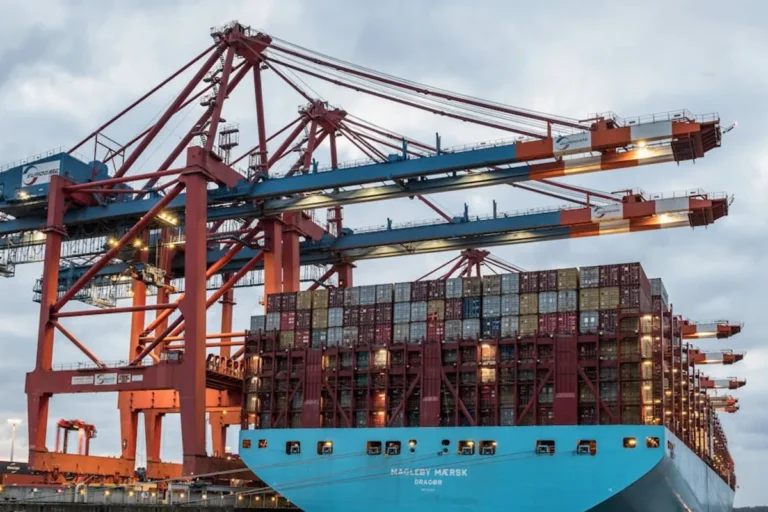
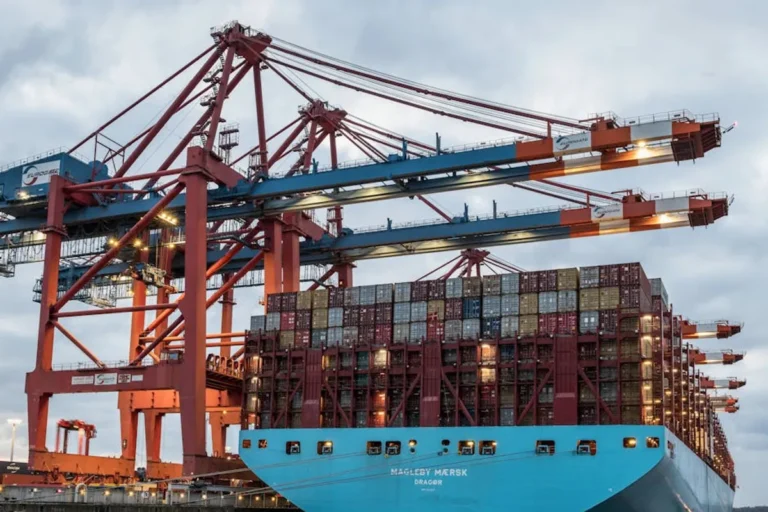
While still in developmental stages, autonomous vessels represent the long-term future of ocean freight. These ships, operating with minimal or no human intervention, promise to reduce operational costs, improve safety by eliminating human error, and potentially optimize routes more aggressively. Concurrently, port automation, including automated cranes, robotic handling systems, and autonomous guided vehicles (AGVs), is already enhancing efficiency in major ports. Automated ports can process cargo faster, reduce turnaround times for vessels, and operate 24/7, significantly increasing throughput and reducing labor costs.
Strategic Integration for Future Competitiveness
The integration of these technologies is not merely about incremental improvements; it's about building resilient, efficient, and transparent supply chains. Businesses that strategically adopt and integrate these innovations will gain significant advantages. This includes greater control over their logistics operations, the ability to respond swiftly to disruptions, and the capacity to offer superior service to their own customers through enhanced visibility and reliability. The commercial imperative is clear: leverage technology to transform ocean freight from a cost center into a strategic differentiator.
Frequently Asked Questions
How does technology reduce ocean freight costs?
Technology reduces costs through optimized route planning, leading to lower fuel consumption; automated processes that decrease administrative overhead; and real-time monitoring which minimizes cargo damage, loss, and associated insurance claims. Predictive maintenance also prevents costly vessel downtime.
What are the main challenges in adopting new ocean freight technologies?
Key challenges include the high initial investment in new systems, the complexity of integrating diverse platforms across multiple stakeholders (shippers, carriers, ports, customs), ensuring data security and privacy, and the need for workforce training to manage advanced digital tools.
Can small businesses benefit from these technological advancements?
Yes, many digital platforms and IoT solutions are designed with scalability in mind, offering tiered services that are accessible to small and medium-sized enterprises (SMEs). Cloud-based solutions, in particular, reduce the need for significant upfront infrastructure investment, making advanced tools more attainable.
How does technology improve supply chain transparency?
Technology enhances transparency by providing real-time tracking of cargo location and condition via IoT sensors, creating immutable records of transactions through blockchain, and centralizing communication and documentation on digital platforms. This collective visibility allows all stakeholders to access accurate, up-to-date information.