Modern global trade operates on the premise of timely and predictable movement of goods, yet shipping delays have become a pervasive, often unavoidable, challenge. These disruptions are not merely inconveniences; they represent significant operational hurdles and financial liabilities for businesses across all sectors. Understanding the mechanisms behind these delays, from their root causes to their far-reaching impacts, is critical for any entity involved in the global supply chain. This insight allows for the development of robust mitigation strategies, moving beyond reactive problem-solving to proactive resilience building, safeguarding revenue, and preserving customer trust. Understanding these complexities involves a deep dive into current shipping documentation requirements and how they evolve.
Understanding the Root Causes of Global Shipping Delays
Shipping delays are complex, often stemming from a confluence of factors rather than a single point of failure. Identifying these underlying causes is the first step toward effective mitigation.
Geopolitical and Environmental Disruptions
Major global events frequently interrupt established shipping routes and schedules. Geopolitical tensions, such as trade wars, sanctions, or regional conflicts, can lead to rerouting, increased security checks, or outright bans on certain vessels or cargo. Similarly, environmental factors, ranging from severe weather events like hurricanes and typhoons to long-term climate change impacts (e.g., low water levels in key waterways), directly impede transit. The COVID-19 pandemic, for instance, exposed the fragility of just-in-time supply chains to widespread labor shortages and sudden shifts in consumer demand, leading to unprecedented port congestion and equipment imbalances. These global disruptions highlight the significant financial risks of maritime shipping and the need for robust contingency planning.
Infrastructure and Operational Bottlenecks
Even in stable conditions, physical infrastructure limitations and operational inefficiencies contribute significantly to delays. These include:
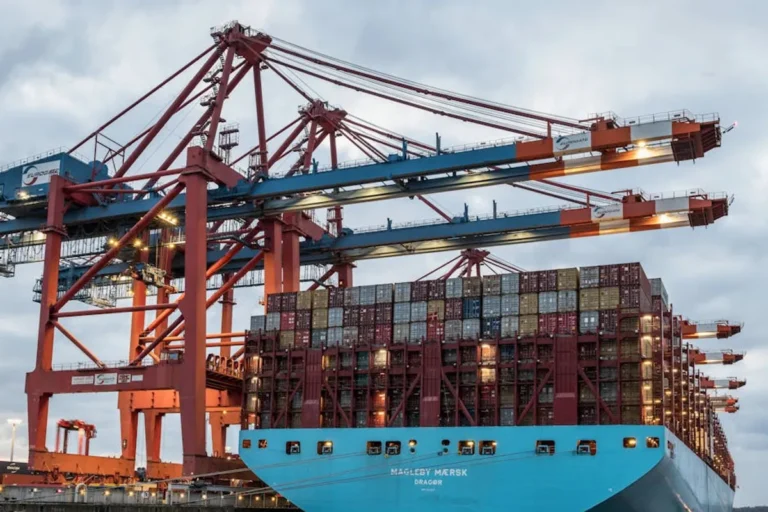
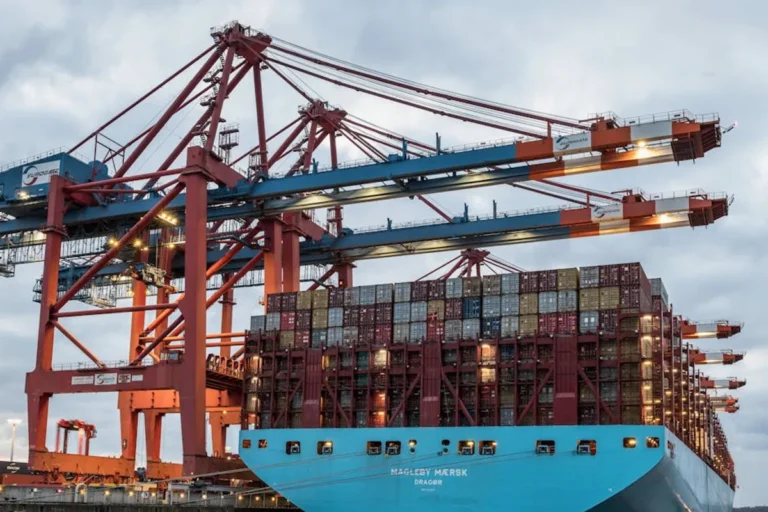
- Port Congestion: Insufficient berth space, crane availability, or drayage capacity at major ports leads to ships waiting offshore for days or weeks.
- Inland Transportation Gaps: Shortages of truck drivers, rail car availability, or inadequate road/rail infrastructure create bottlenecks once goods leave the port.
- Warehouse and Distribution Constraints: Limited storage space or labor for unloading and sorting goods can cause backlogs throughout the logistics chain.
- Equipment Imbalances: A surplus of empty containers in one region and a deficit in another, often exacerbated by uneven trade flows, can delay shipments awaiting equipment.
Labor Issues and Regulatory Hurdles
Human capital is indispensable to global shipping, making labor availability and industrial relations critical. Strikes by port workers, truckers, or customs officials can halt operations entirely. Furthermore, labor shortages, particularly for skilled roles like long-haul drivers or crane operators, create persistent capacity issues. Regulatory changes, such as new customs procedures, import/export restrictions, or environmental compliance mandates, often introduce delays as supply chains adapt to new documentation requirements or inspection protocols.
Financial and Operational Ramifications
The impact of shipping delays extends far beyond missed delivery dates, imposing substantial costs and inefficiencies on businesses.
Direct Financial Costs
Delays translate into increased expenditure across multiple fronts. Elevated freight rates are a common consequence, as demand for limited shipping capacity drives up prices. Demurrage and detention fees, charged by shipping lines and terminals for containers held beyond free time, can quickly accumulate into significant sums. Companies also incur higher inventory holding costs due to goods spending more time in transit or storage. For manufacturers, delays in receiving critical components can lead to production line stoppages, resulting in lost output and further financial penalties.
Supply Chain Disruption and Customer Dissatisfaction
The "bullwhip effect" is a common outcome, where small fluctuations in demand at the retail level amplify into larger and larger variations further up the supply chain, making forecasting and planning exceedingly difficult. This uncertainty reduces overall supply chain reliability. For end-consumers, missed delivery windows and extended waiting times directly impact satisfaction, potentially leading to lost sales, negative reviews, and long-term brand damage. Businesses reliant on just-in-time inventory models are particularly vulnerable, as even minor delays can trigger widespread stockouts and operational paralysis.
Pro Tip: Implement a multi-carrier strategy and diversify your shipping routes. Relying on a single carrier or a limited set of routes significantly increases vulnerability to localized disruptions. By establishing relationships with several logistics providers and exploring alternative transit options, businesses can maintain flexibility and pivot quickly when primary channels face delays, reducing the risk of complete operational standstill.
Building Resilience: Strategies to Mitigate Delays
Proactive strategies are essential for navigating an increasingly volatile global trade landscape.
Supply Chain Diversification and Redundancy
Reducing reliance on single points of failure is paramount. This involves diversifying suppliers across different geographic regions to minimize exposure to localized disruptions. Similarly, establishing multiple shipping routes and modes of transport (e.g., sea, air, rail) provides alternatives when one channel is compromised. Building a network of strategically located warehouses can also shorten last-mile delivery distances and buffer against primary distribution hub delays.
Leveraging Technology for Visibility and Prediction
Advanced technology plays a crucial role in enhancing supply chain visibility and predictive capabilities. Real-time tracking solutions, often integrated with IoT sensors, provide granular data on cargo location and condition. AI-driven forecasting models can analyze historical data, weather patterns, and geopolitical indicators to predict potential delays, allowing for pre-emptive adjustments. Automation in ports and warehouses, such as automated guided vehicles (AGVs) and robotic sorting systems, can increase throughput and reduce human-dependent bottlenecks.
Optimized Inventory Management
While just-in-time (JIT) strategies prioritize efficiency and cost reduction, a purely JIT approach can be brittle in the face of delays. Many businesses are now adopting a "just-in-case" (JIC) approach for critical components or high-demand products, maintaining safety stock to absorb unexpected disruptions. This involves a careful balance, using data analytics to identify which items warrant buffer stock without incurring excessive holding costs.
Navigating Uncertainty: Proactive Measures
Beyond broad strategies, specific operational measures can help businesses manage ongoing delay risks.
Best for: Maintaining operational continuity
Regularly review and update logistics contracts to include clauses that account for potential delays, such as performance incentives for timely delivery or penalties for significant breaches. Engage in scenario planning, simulating various disruption events (e.g., port strikes, natural disasters) to develop pre-defined response protocols. Foster strong, communicative relationships with all supply chain partners, including suppliers, carriers, and customs brokers, to ensure timely information sharing and collaborative problem-solving.
Sustaining Operations Through Disruptions
The ability to adapt quickly and communicate transparently is vital when delays occur. Establishing clear communication protocols for informing customers and internal stakeholders about delays, expected resolutions, and alternative options helps manage expectations and maintain trust. Businesses should also invest in continuous training for logistics teams, equipping them with the skills to utilize new technologies and adapt to evolving global trade conditions. This ongoing education ensures that human expertise complements technological advancements, creating a more resilient and responsive supply chain.
Frequently Asked Questions
What are the primary financial impacts of shipping delays?
Shipping delays primarily lead to increased freight costs, demurrage and detention fees, higher inventory holding expenses, and potential losses from production stoppages or missed sales opportunities due to stockouts.
How can technology help mitigate shipping delays?
Technology enhances visibility through real-time tracking, enables predictive analytics for anticipating disruptions, and improves operational efficiency through automation in ports and warehouses, allowing for quicker responses and better planning.
Is it better to use a just-in-time (JIT) or just-in-case (JIC) inventory strategy for managing delays?
Neither strategy is universally superior; the optimal approach often involves a hybrid model. JIT is efficient but vulnerable to delays, while JIC provides buffers but increases holding costs. Data analysis helps determine which critical items warrant safety stock under a JIC approach, while others remain JIT.