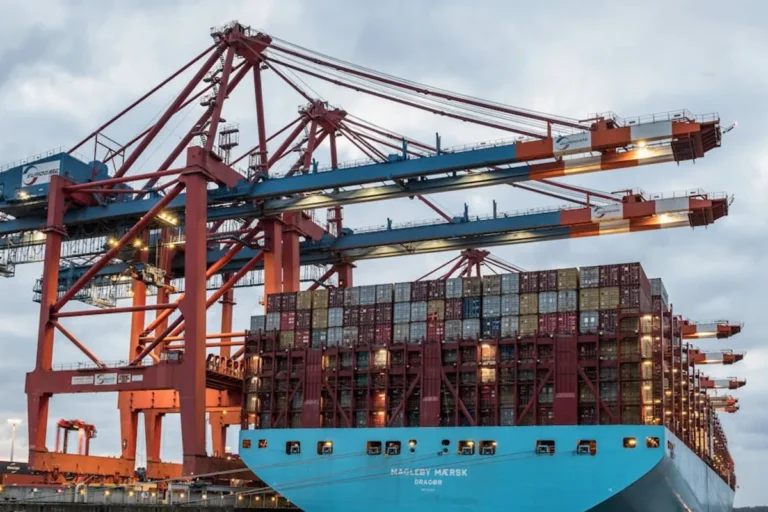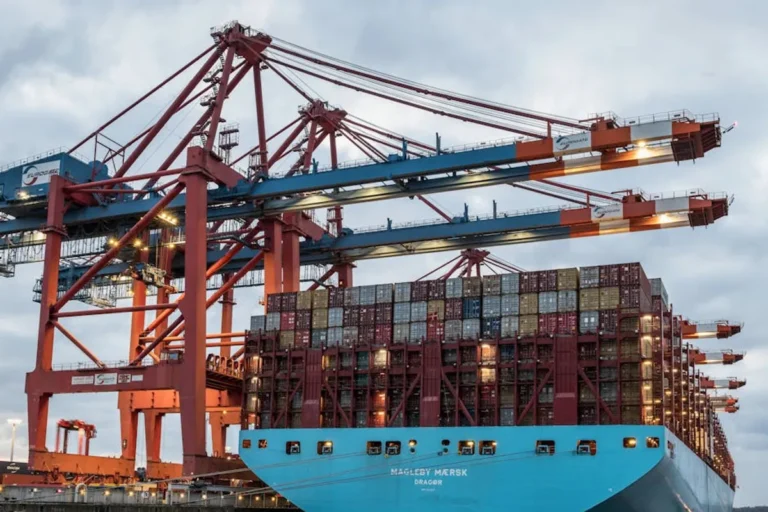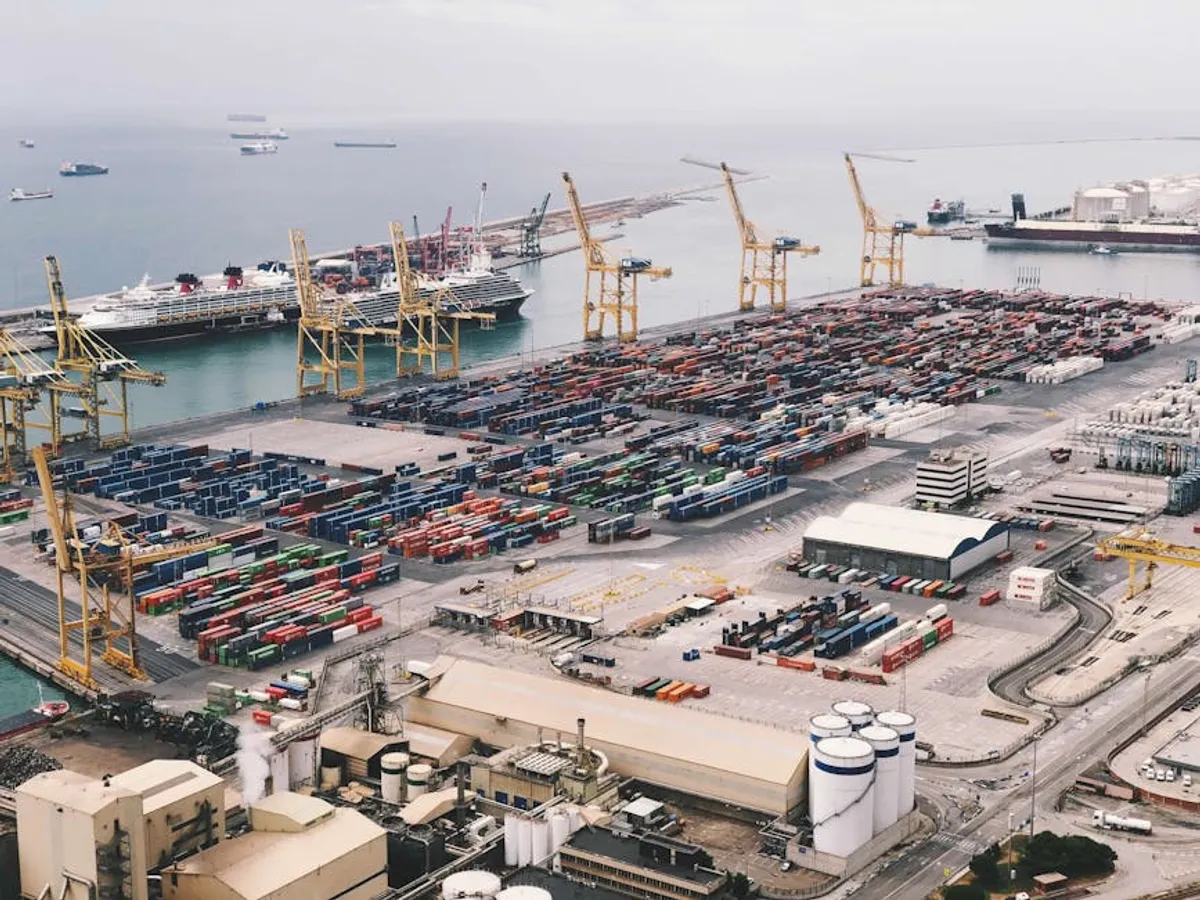
Port congestion represents a persistent and often unpredictable challenge within the intricate network of modern global trade. It is not merely a temporary inconvenience but a systemic issue that impacts the velocity, cost, and reliability of goods movement across continents. For businesses reliant on global supply chains, understanding the underlying mechanics of port congestion is essential for strategic planning, risk mitigation, and maintaining competitive advantage. This goes beyond simply acknowledging delays; it involves recognizing the confluence of factors that transform routine port operations into bottlenecks, escalating expenses, and disrupting delivery schedules for everything from raw materials to finished consumer products. This involves understanding port congestion and its broader implications on global trade.
Mechanisms Driving Port Congestion
Port congestion arises from a complex interplay of factors, often creating a domino effect that exacerbates initial delays. These mechanisms are typically categorized by their origin point within the logistics chain.
Vessel Delays and Scheduling Disruptions
Vessel delays are a primary catalyst for port congestion. These can stem from severe weather events, mechanical failures, or unexpected diversions. When vessels arrive off-schedule, they disrupt the carefully planned berth allocation and crane scheduling. A single delayed vessel can occupy a berth longer than anticipated, forcing subsequent arrivals to anchor offshore, awaiting an open slot. This creates a queue of ships, extending turnaround times and impacting port capacity.
Terminal Operations Inefficiencies
Once a vessel berths, the efficiency of cargo handling becomes critical. Inefficiencies here contribute directly to congestion. Factors include:
- Crane Availability: Insufficient operational cranes or mechanical breakdowns limit the speed of loading and unloading.
- Yard Management: Poor organization of containers within the terminal yard makes it difficult to locate and retrieve specific boxes for onward transport, increasing dwell times.
- Gate Processing: Slow processing at terminal gates for trucks entering and exiting the port creates bottlenecks, leading to long queues and delays in cargo pickup and delivery.
- Equipment Shortages: Lack of chassis, reach stackers, or other essential equipment impedes the smooth flow of containers from ship to shore and onto inland transportation.
Inland Logistics Bottlenecks
Port congestion is often a symptom of issues extending beyond the port gates. The efficiency of inland transportation networks directly affects a port's ability to clear cargo. Rail and truck capacity shortages, particularly during peak seasons or unforeseen surges in demand, mean that containers cannot be moved out of the port quickly enough. This leads to an accumulation of containers within the terminal, reducing available space for newly unloaded cargo and exacerbating yard congestion.
Labor Shortages and Industrial Actions
The availability and efficiency of labor at ports are fundamental to smooth operations. Shortages of dockworkers, crane operators, truck drivers, or customs personnel can severely impede cargo movement. Industrial actions, such as strikes or work-to-rule campaigns, can bring port operations to a near standstill, causing massive backlogs that take weeks or months to clear even after resolutions are reached. These events introduce significant unpredictability into supply chains.
Pro Tip: Monitor key performance indicators such as vessel waiting times, container dwell times, and truck turn times at specific ports. Anomalies in these metrics often signal impending or existing congestion, allowing for proactive adjustments to shipping routes or inventory strategies.
Impact on Global Supply Chains
The ramifications of port congestion extend far beyond the immediate port area, creating a cascade of negative effects throughout global supply chains and the broader economy.
Increased Costs for Shippers and Consumers
Congestion directly translates to higher operational costs. Shippers face increased demurrage and detention fees for containers held beyond free time, higher freight rates due to vessel delays and rerouting, and expedited shipping surcharges to meet deadlines. These costs are ultimately passed on to consumers through higher prices for goods, contributing to inflation and reduced purchasing power.
Extended Lead Times and Delivery Delays
The most visible impact is the significant extension of lead times. Products that once took weeks to arrive can now take months, disrupting production schedules for manufacturers, causing stockouts for retailers, and frustrating end-consumers. This unpredictability makes just-in-time inventory management strategies unfeasible and forces businesses to hold larger, more expensive buffer stocks.
Inventory Management Challenges
Businesses struggle with inventory management when cargo arrival dates are uncertain. Delays can lead to excess inventory accumulating in warehouses, incurring storage costs, or, conversely, critical shortages that halt production lines or leave store shelves empty. This imbalance impacts cash flow, ties up capital, and can result in lost sales and customer dissatisfaction.
Economic Ripple Effects
At a macroeconomic level, persistent port congestion can stifle economic growth. It disrupts international trade flows, reduces manufacturing output, and can lead to job losses in sectors reliant on timely imports and exports. The cumulative effect can be a slowdown in global commerce, impacting GDP and overall economic stability.
Adapting to Congestion in Global Trade
Mitigating the impact of port congestion requires a multi-faceted approach, combining technological advancements, infrastructure improvements, and enhanced collaboration across the logistics ecosystem.
Digitalization and Predictive Analytics
Leveraging data analytics and digital platforms offers a path to better predictability and responsiveness. Real-time tracking of vessels and cargo, predictive modeling for port arrival times, and AI-driven optimization of container stacking and retrieval can significantly improve efficiency. Digitalization of documentation also speeds up customs clearance and administrative processes, reducing bottlenecks.
Infrastructure Investment and Expansion
Long-term solutions involve substantial investment in port infrastructure. This includes expanding berth capacity, acquiring more efficient cranes, deepening shipping channels, and improving intermodal connections such as rail and road links to and from ports. Modernizing existing facilities and building new, larger terminals are crucial for handling the increasing volume of global trade.
Diversification of Shipping Routes and Ports
Relying on a single port or shipping route increases vulnerability to congestion. Businesses are increasingly exploring diversification strategies, using multiple ports of entry and exit, and considering alternative shipping routes, even if they are longer or slightly more expensive. This redundancy provides flexibility and reduces the risk of complete supply chain disruption.
Collaborative Planning and Communication
Effective communication and collaboration among all stakeholders—shipping lines, port authorities, terminal operators, customs, freight forwarders, and shippers—are paramount. Shared visibility of cargo status, coordinated planning for vessel arrivals and departures, and transparent information exchange regarding potential disruptions can help optimize resource allocation and minimize delays.
Navigating Future Trade Disruptions
Port congestion is an inherent risk in global trade, amplified by geopolitical events, economic shifts, and climate change. Businesses that thrive will be those that integrate robust risk management into their supply chain strategies. This includes building resilient networks, investing in supply chain visibility tools, and fostering strong relationships with logistics partners. Proactive adaptation, rather than reactive crisis management, will define success in navigating the complexities of modern global commerce. Investing in port automation can help mitigate such risks and improve supply chain efficiency.
Frequently Asked Questions About Port Congestion
What is the primary cause of port congestion?
Port congestion is typically caused by a combination of factors, including unexpected surges in cargo volume, severe weather disrupting vessel schedules, labor shortages, inefficient terminal operations, and insufficient inland transportation capacity to clear cargo quickly.
How does port congestion affect shipping costs?
It increases shipping costs through higher freight rates, surcharges for delayed vessels, and additional fees like demurrage (for containers held too long at the port) and detention (for containers held too long by the shipper or consignee).
Can technology help alleviate port congestion?
Yes, technology plays a crucial role. Digitalization, real-time tracking, predictive analytics, and automation can optimize vessel scheduling, improve terminal efficiency, streamline documentation, and enhance overall supply chain visibility, thereby reducing congestion.
What measures can businesses take to mitigate the impact of port congestion?
Businesses can mitigate impact by diversifying shipping routes and ports, building buffer stock, investing in supply chain visibility tools, fostering strong relationships with logistics partners, and exploring nearshoring or reshoring strategies to reduce reliance on long global supply chains.