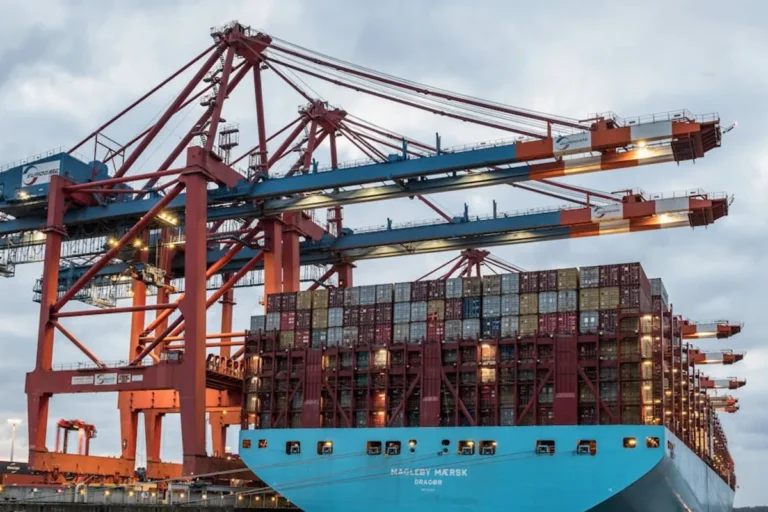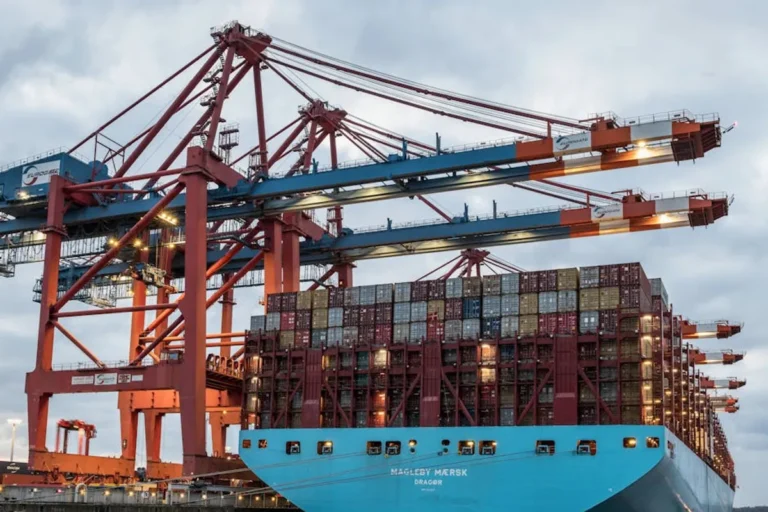
Global trade relies on an intricate network of shipping, logistics, and port operations, all increasingly digitized. This digital transformation, while boosting efficiency, simultaneously introduces profound cybersecurity risks that directly impact the flow of goods, financial stability, and national security. Understanding how maritime cybersecurity functions is no longer a niche concern; it is a fundamental requirement for any entity involved in international commerce, from cargo owners and insurers to port authorities and vessel operators. The immediate decision for stakeholders centers on recognizing these vulnerabilities and proactively integrating robust defenses to safeguard critical infrastructure and maintain operational continuity against sophisticated, evolving threats. The immediate decision for stakeholders centers on how maritime insurance works to mitigate these growing financial exposures.
The Unique Cyber Threat Landscape in Maritime Operations
The maritime sector presents a distinct set of cybersecurity challenges due to its blend of legacy operational technology (OT), remote environments, and complex supply chain interdependencies. Unlike typical IT networks, vessels and port systems often run on older, proprietary software and hardware not designed with modern cyber threats in mind. This creates significant attack surfaces.
- Operational Technology (OT) Vulnerabilities: Shipboard systems controlling navigation (ECDIS, GPS), propulsion, cargo handling, and ballast are often interconnected and susceptible to remote manipulation or disruption. A successful attack here can lead to collisions, groundings, environmental disasters, or cargo loss.
- Information Technology (IT) Integration: Administrative networks on vessels and in port offices handle sensitive data, communications, and logistical planning. Breaches can expose proprietary information, disrupt scheduling, or facilitate ransomware attacks that halt operations.
- Remote and Satellite Communications: Reliance on satellite links for data transfer and remote management introduces vulnerabilities if these communication channels are not adequately encrypted and monitored.
- Supply Chain Complexity: The maritime ecosystem involves numerous third-party vendors, suppliers, and service providers. A cyberattack on one link, such as a port terminal's IT system or a logistics software provider, can cascade through the entire supply chain, causing widespread disruption.
- Geopolitical Motivations: Nation-state actors and sophisticated criminal groups target maritime infrastructure for espionage, sabotage, or financial gain, recognizing its critical role in global economics and defense.
Core Pillars of Maritime Cyber Defense
Effective maritime cybersecurity integrates multiple layers of protection, recognizing the convergence of IT and OT environments.
Protecting Operational Technology (OT) Systems
Securing OT involves specialized approaches distinct from traditional IT security. This includes network segmentation to isolate critical control systems from less secure networks, implementing intrusion detection systems tailored for industrial protocols, and rigorous vulnerability management for proprietary hardware and software. Regular patching and firmware updates are crucial, though often challenging given the 24/7 nature of maritime operations and the complexity of vessel systems. Access control to OT systems must be stringent, limiting who can make changes and monitoring all interactions.
Fortifying Information Technology (IT) Infrastructure
Standard enterprise cybersecurity practices apply to the IT networks found on ships and in shore-based operations. This encompasses robust firewalls, endpoint detection and response (EDR) solutions, secure email gateways, and multi-factor authentication (MFA) for all user accounts. Data encryption, both in transit and at rest, is essential for protecting sensitive commercial and operational information. Regular security audits and penetration testing help identify and remediate weaknesses before they can be exploited.
The Human Element: Training and Awareness
Despite technological advancements, human error remains a primary vector for cyberattacks. Comprehensive cybersecurity training for all personnel—from senior officers and crew to shore-based staff—is non-negotiable. This training must cover phishing awareness, secure browsing habits, incident reporting procedures, and the importance of adhering to security protocols. A culture of security, where vigilance is prioritized, significantly reduces the risk of successful social engineering attacks or accidental breaches.
Pro Tip: The most significant vulnerability in maritime cybersecurity often lies at the intersection of IT and OT, exacerbated by human factors. Implement strict network segmentation between IT and OT systems, but critically, invest in continuous, practical training for personnel who interact with both. A well-trained crew member is a more effective firewall than any piece of software.
Regulatory Imperatives and Compliance Frameworks
International and national bodies have recognized the urgent need for cybersecurity in the maritime sector, leading to mandatory compliance frameworks. The International Maritime Organization (IMO) introduced Resolution MSC.428(98), making cyber risk management part of safety management systems by January 1, 2021. This requires companies to assess cyber risks, implement safeguards, and develop incident response plans. Compliance is not merely a formality; it impacts vessel certification, insurance premiums, and market access. Failure to comply can result in detentions, fines, and significant operational delays, directly affecting trade schedules and profitability.
Other regional regulations, such as the European Union's NIS2 Directive (Network and Information Security Directive), also extend their reach to critical infrastructure sectors, including transport and maritime, imposing further requirements for risk management and incident reporting. Adherence to these diverse regulations necessitates a proactive, integrated approach to cybersecurity that is continuously updated to reflect new threats and regulatory changes.
Advanced Defenses and Incident Response
Modern maritime cybersecurity extends beyond basic protection to include proactive threat intelligence and rapid incident response capabilities. This involves:
- Threat Intelligence Platforms: Subscribing to and utilizing maritime-specific threat intelligence feeds helps organizations anticipate and prepare for emerging attack vectors.
- Security Operations Centers (SOCs): Dedicated or outsourced SOCs provide 24/7 monitoring of networks and systems, enabling early detection and rapid response to suspicious activities.
- Incident Response Plans (IRP): Detailed, tested IRPs are crucial for minimizing the impact of a breach. These plans outline roles, responsibilities, communication protocols, and technical steps for containment, eradication, recovery, and post-incident analysis.
- Vessel Hardening: Implementing measures like disabling unnecessary ports and services, using strong passwords, and regularly auditing configurations reduces the attack surface on ships.
- Secure Remote Access: Any remote access to shipboard systems must be secured with VPNs, strong authentication, and strict access policies, minimizing unauthorized entry points.
Sustaining Secure Global Trade
The future of global trade is inextricably linked to the resilience of maritime cybersecurity. As vessels become more autonomous and interconnected, the attack surface will only expand. Protecting maritime assets requires continuous investment in technology, ongoing personnel training, and a deep understanding of the evolving threat landscape. For businesses involved in shipping, logistics, and supply chain management, prioritizing cybersecurity is not just about regulatory compliance; it is a strategic imperative for maintaining operational integrity, protecting financial assets, and ensuring the uninterrupted flow of goods across the world's oceans. Proactive engagement with cybersecurity best practices and a commitment to perpetual improvement are the foundations for secure and resilient global trade. For businesses involved in shipping, logistics, and supply chain management, prioritizing cybersecurity is not just about regulatory compliance; it is a strategic imperative for maintaining operational integrity, protecting financial assets, and ensuring why maritime cybersecurity matters for reliable supply chains.
Frequently Asked Questions
What is the biggest cybersecurity risk for a shipping company?
The biggest risk often stems from the convergence of legacy operational technology (OT) with modern IT systems, compounded by human error. Ransomware attacks targeting port systems or shipping company IT networks, as well as GPS spoofing or manipulation of vessel control systems, pose significant threats to operational continuity and safety.
How does IMO 2021 impact maritime cybersecurity?
IMO Resolution MSC.428(98), effective January 1, 2021, mandates that cyber risk management be addressed in a vessel's safety management system. This requires shipping companies to identify cyber risks, implement safeguards, and develop incident response plans, effectively integrating cybersecurity into their operational safety protocols.
Can a cyberattack physically damage a ship or its cargo?
Yes, a sophisticated cyberattack can directly impact physical assets. For example, malicious interference with a vessel's navigation systems (like GPS spoofing) could lead to collisions or groundings. Attacks on cargo handling systems in ports could damage goods or equipment, and disruption to propulsion or ballast systems could compromise vessel stability.
What role do port authorities play in maritime cybersecurity?
Port authorities are critical stakeholders, responsible for securing their own IT and OT infrastructure, which includes cargo management systems, traffic control, and administrative networks. They also play a role in coordinating cybersecurity efforts with incoming vessels, terminal operators, and other agencies to create a secure port ecosystem.