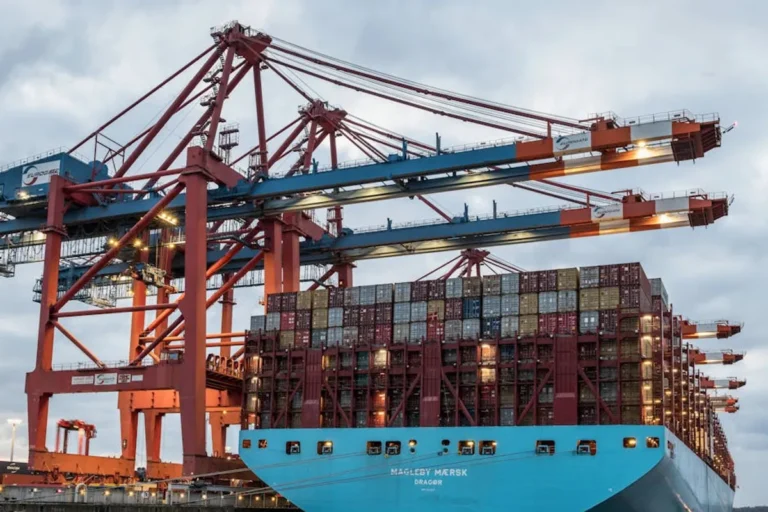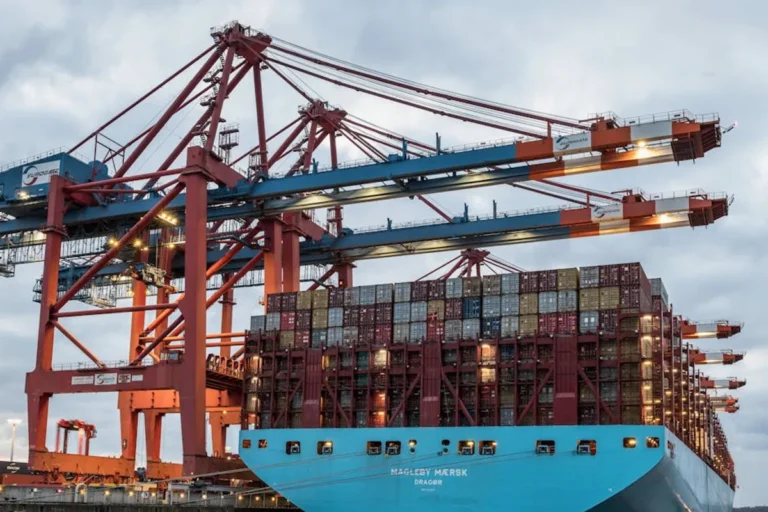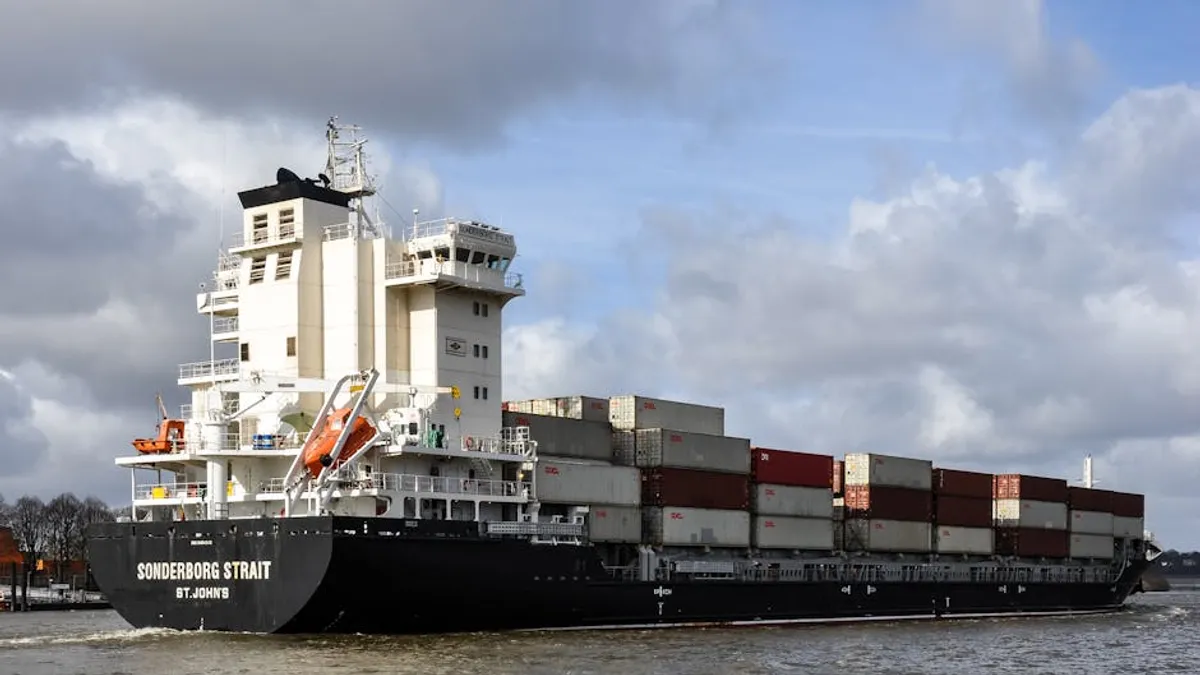
Container shipping orchestrates the global movement of physical goods, a domain fundamentally distinct from maritime cybersecurity, which safeguards the digital infrastructure underpinning these operations. While separate in their core functions and immediate concerns, their convergence defines modern maritime risk. Understanding the specific responsibilities, challenges, and regulatory landscapes of each is critical for stakeholders seeking to optimize logistics, ensure compliance, and protect assets in an increasingly interconnected global trade environment.
Container Shipping: Physical Logistics and Operational Efficiency
Container shipping involves the physical transportation of cargo in standardized containers via ocean-going vessels. This sector is characterized by its focus on tangible assets, intricate logistical coordination, and the optimization of supply chain velocity and cost. Its primary objective is the efficient, reliable, and safe delivery of goods from origin to destination.
- Core Assets: Vessels (container ships), containers (TEUs), port terminals, cranes, trucks, rail networks.
- Key Operations: Cargo loading/unloading, vessel scheduling, route optimization, customs clearance, intermodal transport coordination, warehousing.
- Primary Concerns:
- Physical Security: Theft, piracy, stowaways, contraband.
- Operational Efficiency: Port congestion, demurrage, transit times, fuel consumption, labor disputes.
- Environmental Factors: Weather, natural disasters, impact of emissions regulations.
- Geopolitical Risks: Trade wars, canal blockages, sanctions, regional conflicts.
- Regulatory Framework: Heavily influenced by international conventions such as SOLAS (Safety of Life at Sea) for vessel safety, MARPOL for pollution prevention, and national customs regulations.
- Metrics: Twenty-foot Equivalent Units (TEUs) moved, on-time delivery rates, freight rates, bunker fuel costs, port turnaround times.
Best for: Global trade facilitation, bulk cargo movement, cost-effective long-distance transport, supply chain predictability through established routes.
Maritime Cybersecurity: Digital Protection and Operational Technology Resilience
Maritime cybersecurity focuses on protecting the digital systems, data, and operational technology (OT) that manage and control vessels, ports, and associated logistics infrastructure. This domain addresses risks emanating from the digital realm, aiming to prevent unauthorized access, data breaches, system disruptions, and manipulation of critical operational systems. A comprehensive cybersecurity checklist for ecommerce brands is vital in this context.
- Core Assets: Navigation systems (ECDIS, GPS), communication systems (satellite, radio), cargo management software, port operating systems (TOS), vessel management systems, IT networks, data centers.
- Key Operations: Vulnerability assessments, threat intelligence, incident response planning, network segmentation, data encryption, access control management, employee training.
- Primary Concerns:
- Cyber Attacks: Ransomware, phishing, malware, denial-of-service (DoS) attacks, insider threats.
- Data Integrity: Protection of sensitive cargo information, financial data, operational parameters.
- Operational Technology (OT) Compromise: Manipulation of vessel propulsion, steering, cargo handling, or port gate systems.
- Navigation System Interference: GPS spoofing, AIS manipulation, electronic chart system vulnerabilities.
- Regulatory Framework: Driven by IMO Resolution MSC.428(98) on Maritime Cyber Risk Management, which mandates cyber risk integration into safety management systems by 2021, and various national cyber security directives.
- Metrics: Number of detected cyber incidents, mean time to detect/respond, vulnerability patch rates, compliance audit scores, system uptime for critical digital infrastructure.
Best for: Protecting digital assets, ensuring operational continuity of automated systems, safeguarding sensitive commercial data, complying with evolving digital risk mandates.
Intersection of Physical and Digital Risks
While distinct, the two domains are increasingly interdependent. A cyber attack on a port's terminal operating system can directly halt container movements, causing significant physical supply chain disruption. Conversely, a physical security breach at a port could lead to unauthorized access to IT/OT systems. The effective management of modern maritime operations requires a comprehensive understanding of how digital vulnerabilities can manifest as physical risks, and vice versa.
Pro Tip: Implement integrated risk assessments that consider both physical and cyber threats. A holistic approach identifies how a cyber breach could impact physical cargo security or vessel navigation, allowing for comprehensive mitigation strategies that span IT, OT, and operational teams.
Strategic Considerations for Stakeholders
For shipping companies, port authorities, and logistics providers, navigating these differences and their interconnectedness is paramount. Investment decisions must reflect both the need for robust physical infrastructure and advanced digital defenses.
For Shipping Lines:
Balancing capital expenditure on new, more efficient vessels with operational expenditure on cyber security training, software licenses, and incident response teams. This includes securing both shipboard IT/OT and shore-based administrative networks.
For Port Operators:
Integrating physical security measures (e.g., access control, surveillance) with cybersecurity protocols for their Terminal Operating Systems (TOS), gate automation, and crane control systems. The goal is to prevent single points of failure that could halt cargo flow.
For Technology Providers:
Developing solutions that address both realms, such as secure IoT devices for container tracking, or integrated platforms that monitor both physical cargo conditions and the cybersecurity posture of the underlying systems.
Navigating the Integrated Maritime Landscape
The distinction between container shipping and maritime cybersecurity is clear: one deals with the physical movement of goods, the other with the protection of digital systems. However, the modern maritime sector operates at their intersection. Effective management demands a unified strategy that recognizes how digital vulnerabilities can translate into physical disruptions, impacting cargo safety, operational efficiency, and global supply chains. Success hinges on robust physical infrastructure, resilient digital defenses, and a workforce trained to understand risks across both domains. Effective management thus relies on reliable supply chain security to mitigate risks.
Frequently Asked Questions
How can a cyber attack impact container shipping operations?
A cyber attack can disrupt container shipping by compromising port operating systems, leading to cargo delays, misrouting, or inability to load/unload vessels. It can also affect vessel navigation systems, communication networks, and administrative functions, causing operational halts or safety incidents.
Are maritime cybersecurity regulations mandatory for all vessels?
The IMO Resolution MSC.428(98) mandates that maritime cyber risk management be addressed in vessels' Safety Management Systems (SMS) by the first annual verification of the Document of Compliance after January 1, 2021. This applies to most commercial vessels under the ISM Code.
Who is primarily responsible for maritime cybersecurity within a shipping company?
Responsibility for maritime cybersecurity typically falls under a company's IT department, often with input from operational and compliance teams. Larger organizations may have a dedicated Chief Information Security Officer (CISO) or a specialized cybersecurity team that works closely with vessel management and port operations.