Understanding the trajectory of breakbulk cargo is critical for shippers, carriers, and logistics providers navigating complex global supply chains. This segment, defined by goods too large or heavy to fit standard shipping containers, faces unique challenges and opportunities. Trends influencing breakbulk operations directly impact project timelines, cost efficiencies, and risk management for high-value, specialized freight. Anticipating these shifts allows stakeholders to proactively secure capacity, optimize routes, and invest in appropriate infrastructure or technology, ensuring competitive advantage and operational resilience in a volatile market.
Shifting Demand Dynamics in Project Cargo
The demand for breakbulk services is inextricably linked to large-scale industrial and infrastructure projects. This year, specific sectors are driving significant increases in specialized cargo volumes, necessitating adaptable logistics solutions.
Renewable Energy Sector's Influence
The global push towards decarbonization continues to fuel substantial investment in renewable energy infrastructure. This translates into higher demand for specialized vessels and port infrastructure capable of handling oversized components such as wind turbine blades, nacelles, and tower sections, as well as large-scale solar panel arrays and geothermal equipment. The sheer scale and delicate nature of these components require precise planning, specialized lifting equipment, and often, direct-to-site delivery capabilities, making them prime candidates for breakbulk shipping.
Infrastructure Development and Industrial Expansion
Beyond renewables, significant infrastructure projects — including new bridges, tunnels, power plants, and manufacturing facilities — are generating consistent demand for heavy machinery, structural steel, and pre-fabricated modules. Emerging economies, in particular, are investing heavily in foundational infrastructure, while developed nations are upgrading existing networks. These projects often require the synchronized delivery of multiple oversized components, adding layers of complexity to logistics planning and execution.
Digital Transformation and Operational Efficiency
The breakbulk sector, traditionally reliant on manual processes, is increasingly adopting digital solutions to enhance visibility, optimize operations, and mitigate risks associated with high-value cargo.
Advanced Tracking and Visibility Solutions
Real-time tracking of breakbulk shipments is evolving beyond basic GPS. Integrated platforms now offer comprehensive visibility into cargo location, environmental conditions (temperature, humidity, shock), and security status. This data empowers shippers and carriers to make informed decisions, anticipate delays, and respond proactively to unforeseen circumstances, reducing potential damage and improving delivery predictability for critical project components.
AI-Driven Route Optimization and Capacity Management
Artificial intelligence and machine learning are being applied to optimize routing for oversized cargo, considering factors like road and bridge clearances, port congestion, weather patterns, and available vessel capacity. These technologies can analyze vast datasets to identify the most efficient and safest paths, minimize transit times, and reduce fuel consumption. For carriers, AI assists in dynamic capacity allocation, matching specialized vessel availability with project timelines and cargo specifications more precisely.
Sustainability Imperatives and Green Logistics
Environmental, Social, and Governance (ESG) considerations are no longer optional for the logistics industry. Breakbulk operations are under increasing pressure to align with global sustainability goals, impacting everything from vessel choice to packaging materials.
Emissions Reduction and Alternative Fuels
Shippers are prioritizing carriers that demonstrate a commitment to reducing their carbon footprint. This drives investment in more fuel-efficient vessels, the exploration of alternative fuels (e.g., LNG, biofuels, hydrogen), and the optimization of vessel speeds. The demand for transparent emissions reporting is also growing, pushing carriers to provide verifiable data on their environmental performance.
Eco-Conscious Packaging and Supply Chain Audits
The focus on sustainability extends to packaging. There is a growing preference for reusable, recyclable, or biodegradable packaging materials for breakbulk components, reducing waste and environmental impact. Furthermore, comprehensive supply chain audits are becoming standard practice, evaluating the environmental and social responsibility of all partners involved in the breakbulk movement, from manufacturing to final delivery.
Pro Tip: For complex breakbulk projects, engage carriers and port authorities early in the planning phase. Their specialized knowledge of vessel capabilities, port restrictions, and local regulations can significantly streamline logistics, prevent costly delays, and identify optimal handling solutions before cargo even leaves the manufacturing site.
Geopolitical Realignment and Supply Chain Resilience
Global trade patterns are continuously reshaped by geopolitical events, trade policies, and the strategic imperative for supply chain resilience. These shifts directly influence breakbulk routing and demand.
Diversification and Regional Trade Corridors
Companies are actively diversifying their manufacturing and sourcing locations to mitigate risks associated with over-reliance on single regions. This trend, often termed "friend-shoring" or "near-shoring," can lead to the development of new regional trade corridors and increased breakbulk movements within these expanded networks, particularly for industrial equipment and components needed for new production facilities.
Impact of Trade Policies and Tariffs
Evolving trade agreements, tariffs, and import/export regulations can introduce new complexities and costs. Breakbulk operators must monitor these policy changes closely, as they can alter the economic viability of certain routes or necessitate adjustments in customs procedures and documentation for oversized cargo.
Infrastructure Investment and Port Capabilities
The ability to efficiently handle breakbulk cargo hinges on adequate port infrastructure and specialized equipment. Investment in these areas is crucial for supporting future growth.
Heavy-Lift Terminal Upgrades
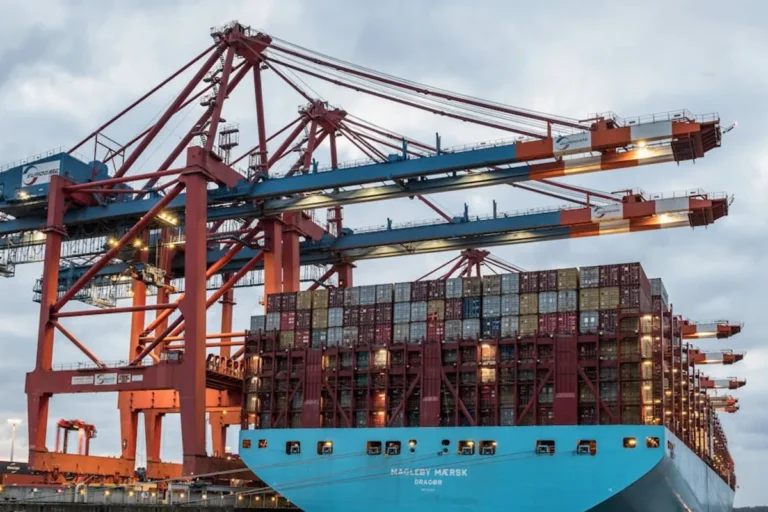
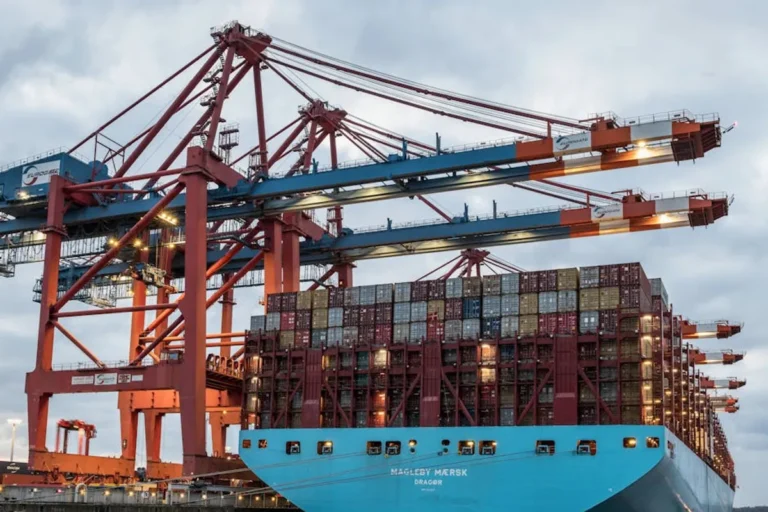
Ports globally are investing in upgrades to their heavy-lift capabilities, including larger gantry cranes, specialized mobile harbor cranes, and reinforced quay areas. These enhancements are necessary to accommodate the increasing size and weight of components for renewable energy and industrial projects, ensuring safe and efficient loading, unloading, and transshipment.
Specialized Equipment and Workforce Training
Beyond fixed infrastructure, the availability of specialized equipment such as multi-axle trailers, self-propelled modular transporters (SPMTs), and custom rigging solutions is paramount. Concurrently, there is a growing emphasis on training a skilled workforce capable of operating this equipment and executing complex breakbulk operations safely and efficiently. This includes expertise in lashing, securing, and navigating regulatory compliance for oversized loads.
Navigating the Evolving Breakbulk Landscape
The breakbulk sector is undergoing significant transformation driven by technological advancements, sustainability demands, and shifting global trade dynamics. To remain competitive and ensure successful project execution, stakeholders must:
- Proactively assess and integrate digital tracking and optimization tools.
- Prioritize carriers and logistics partners with verifiable sustainability credentials.
- Develop flexible supply chain strategies that account for geopolitical shifts and diversification.
- Invest in specialized equipment and continuous workforce training for complex cargo handling.
- Foster early and collaborative relationships with port authorities and carriers for project planning.
Adapting to these trends ensures not only operational efficiency but also long-term resilience and commercial viability in the specialized cargo market.
Frequently Asked Questions
What defines breakbulk cargo?
Breakbulk cargo refers to goods that are too large, heavy, or irregularly shaped to fit into standard shipping containers. These items are handled individually, often requiring specialized equipment and manual loading/unloading.
How do renewable energy projects impact breakbulk shipping?
Renewable energy projects, particularly wind and solar farms, generate significant demand for breakbulk shipping due to the oversized components involved, such as lengthy wind turbine blades and heavy nacelles, which necessitate specialized transport solutions.
What role does technology play in modern breakbulk logistics?
Technology enhances breakbulk logistics through advanced real-time tracking, AI-driven route optimization, and digital platforms for capacity management. These tools improve visibility, efficiency, and risk mitigation for complex shipments.
Why is sustainability a growing concern in breakbulk operations?
Sustainability is crucial due to increasing pressure for emissions reduction, eco-friendly packaging, and ethical supply chain practices. Shippers are seeking carriers committed to environmental responsibility, impacting vessel choice and operational methods.