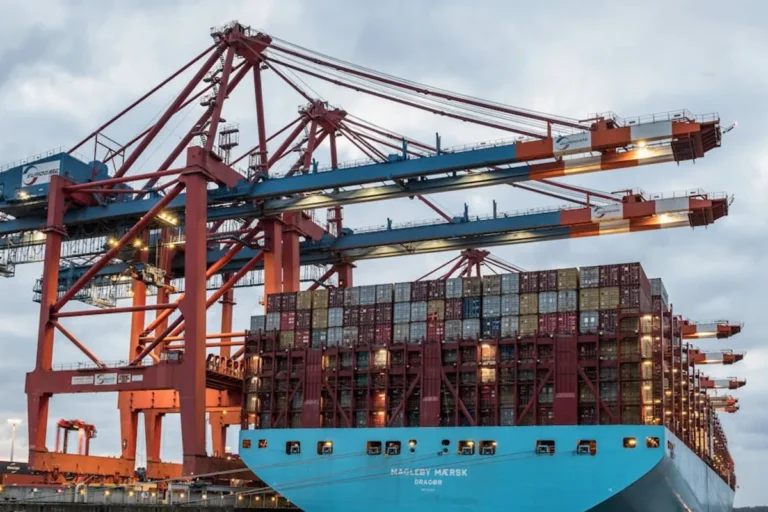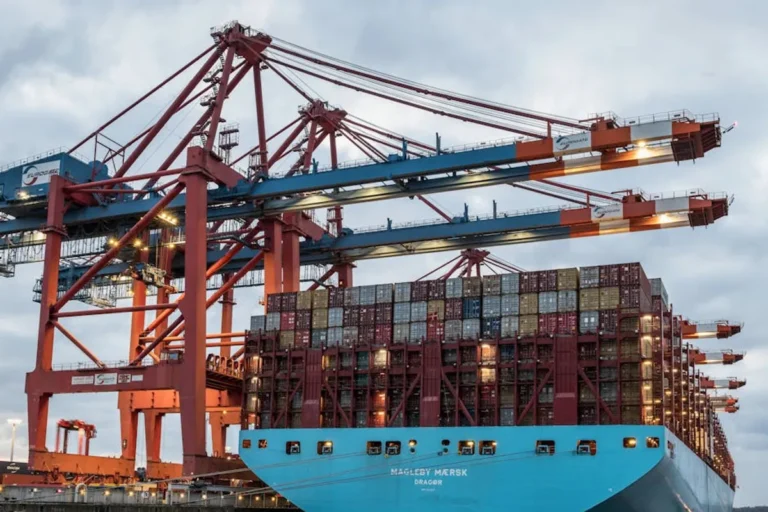
Transshipment, the process of moving goods from one mode of transport to another, or from one vessel to another, is a critical component of global supply chains. It enables cost efficiencies by consolidating shipments, optimizing routes, and leveraging diverse transportation networks. However, its inherent complexity—involving multiple handlers, customs checkpoints, and varied logistical requirements—also introduces significant risks, including delays, damage, and loss of visibility. Effective management of transshipment is not merely about moving cargo; it’s about strategic coordination to minimize lead times, reduce operational costs, and enhance overall supply chain resilience. This requires a proactive approach, integrating advanced planning with real-time operational oversight to transform potential bottlenecks into strategic advantages.
Key Pillars for Effective Transshipment Management
Successful transshipment hinges on several foundational elements that, when addressed comprehensively, mitigate risks and optimize performance. Before delving into specific practices, consider these overarching principles:
- End-to-End Visibility: The ability to track goods at every stage, from origin to final destination, is paramount. This includes granular data on location, status, and condition, providing insights necessary for proactive problem-solving.
- Data-Driven Decision Making: Leveraging analytics from historical and real-time data allows for optimized route planning, predictive risk assessment, and continuous process improvement. Without reliable data, decisions remain reactive and less effective.
- Strategic Partnerships: Collaborating with trusted carriers, freight forwarders, and logistics providers is crucial. Strong relationships built on clear communication and shared objectives streamline operations and foster mutual accountability.
- Technological Integration: Modern transshipment demands sophisticated tools—Transportation Management Systems (TMS), Warehouse Management Systems (WMS), IoT devices, and AI-powered analytics—to automate processes, reduce manual errors, and provide actionable intelligence.
- Standardized Processes: Establishing clear, consistent procedures for documentation, handling, and communication across all transshipment points reduces variability and improves predictability. This is especially vital in multi-modal or international transshipment.
1. Centralized Data Integration
Implementing a unified system that aggregates data from all relevant platforms—including order management systems, inventory management, warehouse operations, and carrier portals—provides a single, authoritative source of truth. This eliminates data silos, reduces manual entry errors, and ensures that all stakeholders operate from the same information baseline. Such integration is foundational for accurate forecasting, efficient resource allocation, and responsive problem-solving across the entire transshipment lifecycle.
Best For: Organizations with complex, multi-modal supply chains and a high volume of transshipment activities that require robust data consistency and operational transparency.
Pros:
- Enhances data accuracy and reduces reconciliation efforts.
- Provides a holistic view of inventory and shipment status.
- Facilitates better planning and predictive analytics.
- Improves communication and collaboration among internal departments and external partners.
Cons:
- Initial implementation can be complex and resource-intensive.
- Requires significant investment in software and IT infrastructure.
- Data migration from legacy systems may present challenges.
Verdict: Essential for scalable and resilient transshipment operations, Centralized Data Integration transforms disparate information into actionable intelligence, enabling proactive management and strategic optimization.
2. Real-Time Visibility Solutions
Deploying technologies such as GPS tracking, IoT sensors, telematics, and advanced scanning systems provides continuous, granular updates on the location, condition, and status of goods. This real-time insight allows managers to monitor shipments in transit, identify potential delays or issues as they arise, and intervene proactively. It extends beyond simple location tracking to include environmental conditions (temperature, humidity), shock detection, and security alerts, offering a comprehensive view of cargo integrity.
Best For: High-value goods, perishable items, time-sensitive shipments, or supply chains operating in regions with unpredictable logistics challenges.
Pros:
- Enables proactive issue resolution and deviation management.
- Improves security and reduces risk of theft or damage.
- Enhances customer satisfaction through accurate delivery estimates.
- Provides data for performance analysis and route optimization.
Cons:
- Can be expensive to implement and maintain, particularly for large fleets or diverse cargo.
- Requires robust network connectivity and data processing capabilities.
- Integration with existing systems may be complex.
Verdict: Real-time visibility is a non-negotiable for modern transshipment, offering the critical intelligence needed to maintain control and ensure the timely, safe delivery of goods.
3. Optimized Route and Network Planning
Strategic planning of transshipment points, routes, and modal choices minimizes transit times, reduces fuel consumption, and lowers overall transportation costs. This involves using advanced algorithms and simulation tools to analyze various scenarios, considering factors like carrier availability, capacity, customs regulations, geopolitical stability, and infrastructure quality. The goal is to identify the most efficient and resilient pathways for goods, dynamically adapting to changing conditions.
Best For: Companies with extensive global supply chains, multiple origins and destinations, and a need to balance speed, cost, and reliability across various transportation modes.
Pros:
- Significantly reduces transportation costs and lead times.
- Enhances supply chain resilience by identifying alternative routes.
- Improves sustainability through optimized fuel efficiency.
- Leverages the strengths of different transportation modes effectively.
Cons:
- Requires sophisticated planning software and analytical expertise.
- Initial setup and data input can be time-consuming.
- Effectiveness is dependent on accurate and up-to-date information on network conditions.
Verdict: Strategic route and network planning moves transshipment beyond simple point-to-point movement, transforming it into a competitive advantage that directly impacts cost and delivery performance.
4. Robust Partner Selection and Management
Establishing strong, transparent relationships with a vetted network of carriers, customs brokers, and logistics providers is fundamental. This involves rigorous due diligence in partner selection, clear service level agreements (SLAs) defining performance expectations, and ongoing performance monitoring. Regular communication and collaborative problem-solving ensure that all parties are aligned on objectives and committed to efficient transshipment processes.
Best For: Any organization relying on third-party logistics (3PLs) or multiple carriers for their transshipment needs, particularly those operating internationally.
Pros:
- Ensures reliable service and adherence to agreed-upon standards.
- Reduces risks associated with unreliable or non-compliant partners.
- Fosters long-term relationships that can lead to greater flexibility and preferential rates.
- Provides access to specialized expertise and local knowledge.
Cons:
- Thorough vetting and ongoing management require significant time and resources.
- Dependency on external parties introduces an element of risk beyond direct control.
- Negotiating comprehensive SLAs can be complex.
Verdict: The strength of your transshipment network is directly proportional to the quality of your partnerships; investing in selection and management yields dividends in reliability and reduced operational friction.
5. Standardized Processes and Documentation
Implementing uniform operating procedures and clear, consistent documentation across all transshipment touchpoints minimizes errors, accelerates customs clearance, and ensures regulatory compliance. This includes standardized labeling, packaging guidelines, manifest formats, and communication protocols. A common framework reduces ambiguity, streamlines handovers between different modes or carriers, and provides a clear audit trail for every shipment.
Best For: Companies with high-volume international transshipment, multiple distribution centers, or those dealing with diverse product categories subject to varying regulations.
Pros:
- Reduces delays caused by incorrect or incomplete documentation.
- Minimizes customs penalties and compliance issues.
- Improves operational efficiency and reduces training time for new staff.
- Enhances accountability and traceability of goods.
Cons:
- Developing and implementing comprehensive standards can be an extensive initial effort.
- Requires consistent enforcement and regular updates to stay current with regulations.
- Resistance to change from established partners or internal teams can occur.
Verdict: Standardization is the bedrock of efficient transshipment, transforming complex multi-party handovers into predictable, repeatable processes that save time and mitigate compliance risks.
6. Proactive Risk Management
Developing robust strategies to identify, assess, and mitigate potential disruptions is critical. This includes scenario planning for natural disasters, geopolitical events, port strikes, customs changes, and carrier failures. Contingency plans should outline alternative routes, backup carriers, and emergency communication protocols. Predictive analytics can also be leveraged to anticipate risks based on historical data and real-time intelligence, enabling preemptive action.
Best For: All organizations engaged in transshipment, particularly those with global reach or operating in volatile regions, where disruptions can have significant financial and reputational impact.
Pros:
- Minimizes the impact of unforeseen disruptions on lead times and costs.
- Enhances supply chain resilience and business continuity.
- Protects brand reputation by ensuring reliable delivery.
- Facilitates quicker recovery from adverse events.
Cons:
- Requires continuous monitoring of global events and supply chain conditions.
- Developing comprehensive contingency plans can be complex and resource-intensive.
- Some risks are inherently difficult to predict or fully mitigate.
Verdict: A proactive approach to risk management transforms transshipment from a vulnerable link into a resilient network, safeguarding operations against an increasingly unpredictable global landscape.
7. Advanced Analytics for Performance Monitoring
Utilizing sophisticated analytical tools to track key performance indicators (KPIs) provides deep insights into the efficiency and effectiveness of transshipment operations. This goes beyond basic reporting to include predictive modeling, root cause analysis, and benchmarking against industry standards. Metrics such as transit time variance, cost per shipment, damage rates, customs clearance times, and carrier performance are continuously monitored to identify areas for improvement and drive strategic adjustments.
Best For: Organizations committed to continuous improvement and data-driven optimization of their logistics, seeking to identify subtle inefficiencies and capitalize on performance opportunities.
Pros:
- Identifies bottlenecks and inefficiencies that may not be apparent through manual review.
- Supports evidence-based decision-making for process and partner selection.
- Enables benchmarking against industry best practices.
- Drives cost savings and service level improvements over time.
Cons:
- Requires investment in analytical software and data science expertise.
- Data quality and consistency are critical for accurate insights.
- Interpreting complex data requires skilled analysts.
Verdict: Advanced analytics transforms raw operational data into strategic intelligence, making continuous optimization of transshipment not just possible, but systematic and highly effective.
8. Automated Compliance and Customs Management
Implementing digital solutions for customs declarations, tariff classification, and regulatory compliance streamlines international transshipment. Automation reduces the likelihood of human error in documentation, accelerates clearance processes, and ensures adherence to complex and frequently changing international trade laws. These systems can automatically generate required forms, calculate duties and taxes, and flag potential compliance issues before they cause delays.
Best For: Companies engaged in frequent international transshipment, particularly those dealing with a wide variety of goods or operating in multiple countries with diverse regulatory environments.
Pros:
- Significantly reduces customs delays and penalties.
- Ensures consistent adherence to international trade regulations.
- Frees up human resources from tedious, repetitive documentation tasks.
- Provides an auditable trail for all compliance activities.
Cons:
- Initial setup and integration with existing systems can be complex.
- Requires continuous updates to reflect changes in global trade laws.
- Potential over-reliance on technology without human oversight for complex cases.
Verdict: Automated compliance is a critical enabler for efficient international transshipment, mitigating risks associated with complex customs procedures and ensuring smooth cross-border movement of goods.
9. Dedicated Transshipment Hubs
Establishing strategically located facilities specifically designed for cross-docking, consolidation, and deconsolidation of goods optimizes the flow through transshipment points. These hubs are equipped with specialized infrastructure, technology, and trained personnel to minimize dwell times, streamline sorting, and reduce handling. Their design prioritizes rapid throughput, efficient space utilization, and seamless transfer between different transport modes.
Best For: High-volume shippers, 3PLs, or freight forwarders managing extensive networks where consolidation and swift transfer are key to cost efficiency and service speed.
Pros:
- Significantly reduces storage costs and inventory holding times.
- Accelerates throughput and reduces overall transit times.
- Improves cargo security and reduces damage risk through optimized handling.
- Enables efficient consolidation of smaller shipments into larger, more cost-effective loads.
Cons:
- Requires substantial capital investment in infrastructure and technology.
- Optimal location selection is critical and complex.
- Operational efficiency depends on high utilization and effective management.
Verdict: Dedicated transshipment hubs are strategic assets that, when properly designed and managed, provide a significant competitive advantage by transforming transfer points into centers of efficiency and speed.
10. Effective Communication Protocols
Implementing clear, standardized communication channels and protocols among all stakeholders—shippers, carriers, consignees, customs brokers, and internal teams—is paramount. This includes agreed-upon methods for sharing critical updates, alerts, and documentation, ensuring that everyone involved has timely and accurate information. Digital platforms, rather than disparate email chains, are essential for maintaining a unified communication flow and reducing misunderstandings.
Best For: All transshipment operations, as communication breakdowns are a leading cause of delays and errors, particularly in multi-party international movements.
Pros:
- Minimizes delays caused by information gaps or miscommunication.
- Enhances collaborative problem-solving during disruptions.
- Builds stronger relationships and trust among supply chain partners.
- Ensures all parties are aligned on shipment status and requirements.
Cons:
- Requires discipline and commitment from all parties to adhere to protocols.
- Implementing new communication platforms may require training and integration efforts.
- Over-communication without clear purpose can lead to information overload.
Verdict: Robust communication protocols are the connective tissue of efficient transshipment, ensuring that complex multi-stage movements remain coordinated and responsive to real-time changes.
11. Inventory Optimization at Transfer Points
Applying inventory management principles specifically to goods held at transshipment points minimizes dwell times and prevents unnecessary stock buildup or stockouts. This involves precise forecasting of inbound and outbound volumes, efficient space allocation within hubs, and rapid cross-docking strategies. The goal is to ensure goods move through the transfer point as quickly as possible, ideally without being stored, or with minimal storage duration.
Best For: Companies with high inventory turnover, just-in-time (JIT) supply chains, or those seeking to reduce working capital tied up in inventory at transit locations.
Pros:
- Reduces inventory holding costs at intermediate points.
- Minimizes the risk of obsolescence or damage during storage.
- Accelerates overall lead times to the final destination.
- Improves cash flow by reducing capital tied up in transit inventory.
Cons:
- Requires highly accurate demand forecasting and real-time inventory visibility.
- Dependent on the reliability and punctuality of inbound and outbound carriers.
- Can be challenging to implement in environments with unpredictable shipment volumes.
Verdict: Optimizing inventory at transshipment points transforms these locations from potential storage costs into dynamic throughput centers, directly impacting efficiency and capital utilization.
12. Continuous Training and Skill Development
Investing in ongoing training for personnel involved in transshipment operations—from planners and dispatchers to warehouse staff and customs specialists—ensures they are proficient in best practices, new technologies, and evolving regulations. This includes training on data entry accuracy, proper handling procedures, compliance requirements, and the effective use of logistics software. A skilled workforce is less prone to errors and more capable of adapting to complex operational challenges. Staying updated on evolving customs regulations is also key to ensuring smooth transshipment operations.
Best For: All organizations, as human error remains a significant factor in transshipment inefficiencies and compliance breaches. Particularly beneficial for those adopting new technologies or expanding into new markets.
Pros:
- Reduces human error, leading to fewer delays, damages, and compliance issues.
- Improves operational efficiency and productivity.
- Enhances staff morale and retention through professional development.
- Ensures adaptability to new technologies and regulatory changes.
Cons:
- Requires ongoing investment in time and resources for training programs.
- Measuring the direct ROI of training can be challenging.
- High staff turnover can dilute the impact of training efforts.
Verdict: A well-trained and knowledgeable workforce is an indispensable asset in transshipment, acting as the human intelligence layer that complements technology and ensures operational excellence.
Evaluating Your Transshipment Strategy
Implementing best practices is only the first step. Continuous evaluation is essential to ensure these practices remain effective and aligned with evolving business needs and market conditions. Key performance indicators (KPIs) provide the objective data needed for this assessment:
- Transit Time Variance: Measure the difference between planned and actual transit times. High variance indicates unpredictable operations or routing issues.
- Cost Per Shipment/Kilometer: Track the total cost associated with moving goods through transshipment, identifying areas where expenses are disproportionately high.
- Damage and Loss Rates: Monitor the percentage of goods damaged or lost during transshipment to assess handling quality and security.
- Customs Clearance Time: Evaluate the average time goods spend in customs to identify bottlenecks in documentation or compliance.
- Carrier Performance: Assess partners based on on-time delivery, damage rates, communication effectiveness, and adherence to SLAs.
- Inventory Dwell Time: Measure how long goods remain at transshipment hubs, aiming to minimize this duration.
Regularly review these metrics, conduct root cause analysis for deviations, and iterate on your strategies. The goal is not just to implement best practices, but to embed a culture of continuous improvement, leveraging data to refine processes, optimize partnerships, and adapt to the dynamic nature of global logistics.
Frequently Asked Questions About Transshipment Management
What is the primary goal of effective transshipment management?
The primary goal is to optimize the movement of goods across different transportation modes or vessels to achieve cost efficiencies, reduce transit times, enhance supply chain resilience, and improve overall service reliability.
How does technology improve transshipment operations?
Technology, including TMS, IoT, AI, and advanced analytics, provides real-time visibility, automates documentation, optimizes route planning, and facilitates data-driven decision-making, significantly reducing manual errors, delays, and costs.
What are the common risks associated with transshipment?
Common risks include cargo damage or loss during handling, customs delays due to incorrect documentation, increased transit times, security breaches, and communication breakdowns between multiple parties involved in the transfer.
How can I choose the right transshipment partners?
Select partners based on their track record, financial stability, compliance history, technological capabilities, and their ability to integrate with your systems. Clear service level agreements and regular performance reviews are also critical.
Is transshipment always more cost-effective than direct shipping?
Not always. While transshipment can offer cost savings through consolidation and optimized routes, the added handling, potential for delays, and administrative complexity can sometimes outweigh the benefits, especially for simpler, shorter routes. The cost-effectiveness depends on the specific supply chain context.