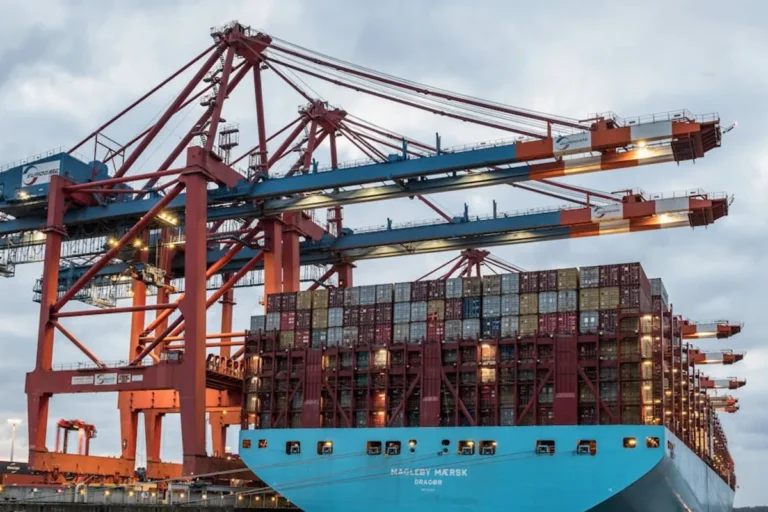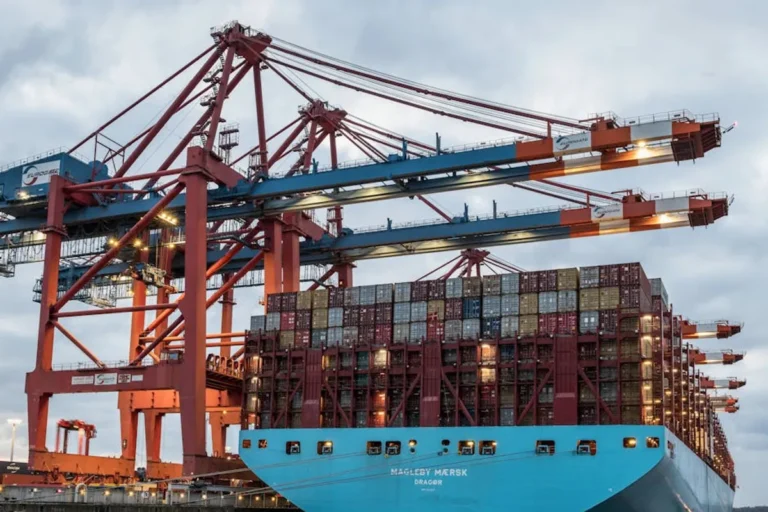
Managing shipping delays effectively is not merely a logistical challenge; it is a critical component of customer retention, brand reputation, and operational efficiency. In an increasingly interconnected global supply chain, disruptions are inevitable, ranging from unforeseen weather events and port congestion to labor shortages and geopolitical shifts. For businesses relying on timely delivery, the ability to anticipate, mitigate, and respond to these delays directly impacts customer satisfaction, repeat business, and ultimately, profitability. Proactive strategies and robust frameworks are essential to transform potential crises into manageable situations, preserving trust and maintaining competitive advantage. This requires a systematic approach that integrates technology, communication, and strategic partnerships. This proactive approach also involves managing customs clearance effectively to minimize potential delays.
How to approach managing shipping delays:
Effective management of shipping delays hinges on a multi-faceted approach that prioritizes visibility, communication, and adaptability. When evaluating potential strategies or solutions, consider their impact on three core areas: prevention, response, and recovery. Prevention involves understanding your supply chain vulnerabilities, diversifying your logistics partners, and building resilience into your operations. Response focuses on how quickly and transparently you can communicate issues to affected parties, adjust routes, or activate backup plans. Recovery is about learning from each incident to refine processes, improve forecasting, and strengthen future resilience. Look for practices that offer real-time data, foster strong relationships with carriers and suppliers, and empower your team with clear protocols for handling disruptions.
1. Proactive Customer Communication
This practice centers on establishing and maintaining transparent, timely communication with customers regarding potential or actual shipping delays. It involves setting clear expectations from the outset, providing regular updates without prompting, and offering actionable information. The goal is to manage customer sentiment by demonstrating control and empathy, even when circumstances are beyond direct operational control. This approach minimizes frustration and reduces the volume of inbound customer service inquiries, freeing up resources.
Best for: E-commerce businesses, direct-to-consumer brands, and any enterprise where customer satisfaction is paramount and delivery expectations are high.
Pros:
- Enhances customer trust and loyalty, even during disruptions.
- Reduces negative feedback and potential chargebacks.
- Provides an opportunity to offer solutions (e.g., refunds, discounts on future purchases) proactively.
- Positions the brand as transparent and reliable, even when facing challenges.
Cons:
- Requires dedicated resources for monitoring and communication.
- Can be challenging to implement at scale without automation.
- Risk of over-communicating or providing inaccurate updates if data is not real-time.
Verdict: Essential for maintaining brand reputation and customer relationships. Its implementation requires robust internal data flow and a clear communication strategy, but the long-term benefits in customer retention outweigh the initial investment.
2. Diversified Carrier & Route Network
This practice involves establishing relationships with multiple shipping carriers and exploring various transportation routes or modes. Instead of relying solely on one provider or a single standard route, businesses create redundancy within their logistics network. This diversification acts as a buffer against disruptions affecting a specific carrier, region, or mode of transport, enabling quick pivots when delays occur.
Best for: Businesses with high shipping volumes, those operating across diverse geographies, or companies handling time-sensitive or high-value goods.
Pros:
- Reduces dependence on a single point of failure in the supply chain.
- Provides flexibility to switch carriers or routes in response to delays.
- Can lead to better negotiation power on rates due to multiple options.
- Offers resilience against localized disruptions (e.g., port strikes, regional weather events).
Cons:
- Increases complexity in managing multiple carrier relationships and contracts.
- Requires more extensive integration with various carrier systems.
- Potential for less favorable rates if volume is spread too thin across many carriers.
Verdict: A foundational strategy for supply chain resilience. While it adds administrative overhead, the ability to maintain service levels during widespread disruptions justifies the complexity, offering a critical competitive advantage.
3. Robust Inventory & Demand Forecasting
This practice focuses on optimizing inventory levels and improving the accuracy of demand predictions. By maintaining appropriate safety stock levels and leveraging advanced analytics for forecasting, businesses can buffer against unexpected supply chain delays without incurring excessive carrying costs. Accurate forecasting also informs purchasing decisions, reducing the likelihood of stockouts when inbound shipments are delayed.
Best for: Manufacturers, retailers, and distributors dealing with seasonal demand, long lead times, or volatile market conditions.
Pros:
- Minimizes stockouts and backorders, even with inbound shipping delays.
- Reduces the need for costly expedited shipping in crisis situations.
- Improves overall supply chain stability and responsiveness.
- Optimizes working capital by balancing inventory levels.
Cons:
- Requires investment in forecasting software and data analytics capabilities.
- Risk of increased carrying costs if forecasts are consistently over-optimistic.
- Still vulnerable to extreme, unpredictable disruptions that deplete safety stock.
Verdict: A preventative measure that addresses the root cause of many delay-related issues. Its effectiveness is directly tied to data quality and analytical sophistication, making it a strategic investment for long-term stability.
4. Strategic Use of Shipping Insurance
This practice involves carefully evaluating and purchasing appropriate shipping insurance for goods in transit. Beyond standard carrier liability, which is often limited, dedicated shipping insurance provides financial protection against loss, damage, or theft that can occur during delays. It mitigates the financial impact of disruptions, ensuring that businesses can recover the value of lost or damaged goods and potentially cover costs associated with re-shipping.
Best for: Businesses shipping high-value items, fragile goods, or those with tight profit margins where loss or damage would be financially catastrophic.
Pros:
- Provides financial security against unforeseen events during transit.
- Covers costs beyond standard carrier liability limits.
- Facilitates quicker replacement of goods without significant financial strain.
- Reduces risk exposure for both the shipper and, indirectly, the customer.
Cons:
- Adds an additional cost per shipment, impacting overall logistics expenses.
- Requires careful review of policy terms and conditions to ensure adequate coverage.
- Claims processes can sometimes be time-consuming, delaying actual financial recovery.
Verdict: A prudent risk management strategy, particularly for vulnerable shipments. While it adds a per-unit cost, the peace of mind and financial protection it offers against significant losses make it a worthwhile consideration for many operations.
5. Real-time Tracking & Alert Systems
Implementing systems that provide granular, real-time visibility into shipment locations and status is crucial. These systems often integrate with carrier APIs and utilize GPS or RFID technology to offer continuous updates. Automated alerts can be configured to notify stakeholders immediately when a shipment deviates from its schedule, enters a delay status, or approaches its destination, enabling swift intervention and communication.
Best for: All businesses engaged in shipping, especially those with complex supply chains, high-volume operations, or a strong need for precise delivery windows.
Pros:
- Provides immediate insight into delay causes and locations.
- Enables proactive communication with customers and internal teams.
- Facilitates rapid decision-making for rerouting or alternative arrangements.
- Improves accountability across the supply chain by tracking performance.
Cons:
- Requires investment in tracking software and integration capabilities.
- Data accuracy can sometimes vary depending on carrier integration and technology.
- Can generate a large volume of data, requiring effective filtering and analysis.
Verdict: A non-negotiable practice for modern logistics. Real-time visibility is the backbone of effective delay management, empowering businesses to react quickly and keep stakeholders informed, transforming reactive responses into proactive interventions.
6. Optimized Packaging & Labeling Protocols
This practice focuses on ensuring packages are prepared to withstand the rigors of transit and are correctly identified for efficient sorting and delivery. Proper packaging reduces the likelihood of damage, which often contributes to delays due to re-packaging or re-shipping. Accurate and durable labeling, including barcodes and necessary customs documentation, prevents misrouting and ensures compliance, speeding up transit times and reducing customs holds.
Best for: Businesses shipping internationally, fragile goods, or those experiencing frequent damage or misrouting issues.
Pros:
- Reduces instances of damage-related delays and associated costs.
- Minimizes misrouting and lost packages through clear identification.
- Speeds up customs clearance for international shipments.
- Contributes to overall operational efficiency and reduces handling errors.
Cons:
- Requires investment in appropriate packaging materials and labeling systems.
- Can be time-consuming to implement and enforce strict protocols.
- May require specialized knowledge for international compliance.
Verdict: A fundamental operational practice that prevents a significant percentage of avoidable delays. While seemingly basic, its consistent application yields substantial benefits in reducing transit issues and improving delivery reliability.
7. Standard Operating Procedures (SOPs) for Delays
Developing clear, documented Standard Operating Procedures specifically for handling shipping delays ensures a consistent and efficient response across the organization. These SOPs outline who is responsible for what actions (e.g., notifying customers, contacting carriers, arranging alternative shipping), the communication hierarchy, and decision-making frameworks. This eliminates guesswork during stressful situations and ensures all teams are aligned.
Best for: Any business that wants to standardize its response to disruptions, reduce human error, and ensure business continuity during crises.
Pros:
- Ensures a consistent and rapid response to delays.
- Reduces stress and confusion among staff during disruptions.
- Facilitates training for new employees on delay management.
- Provides a framework for continuous improvement through post-incident review.
Cons:
- Requires initial time investment to develop and document comprehensive procedures.
- SOPs must be regularly reviewed and updated to remain relevant.
- Can become rigid if not designed with some degree of flexibility.
Verdict: Critical for operational resilience. Well-defined SOPs transform chaotic situations into structured responses, minimizing the impact of delays on both internal operations and customer experience.
8. Leveraging Supply Chain Technology (TMS/WMS)
Implementing advanced supply chain management software, such as Transportation Management Systems (TMS) and Warehouse Management Systems (WMS), provides end-to-end visibility and control. A TMS optimizes routing, carrier selection, and freight auditing, often identifying potential delays before they become critical. A WMS ensures efficient inventory handling and order fulfillment, reducing internal delays that can compound shipping issues. Integrated systems offer a holistic view of the entire logistics process.
Best for: Medium to large enterprises with complex logistics, multiple warehouses, or a need for sophisticated optimization and analytics.
Pros:
- Automates and optimizes complex logistics processes.
- Provides comprehensive data for analysis and decision-making.
- Enhances visibility across the entire supply chain.
- Can significantly reduce operational costs and improve efficiency.
Cons:
- Requires substantial upfront investment in software and implementation.
- Can have a steep learning curve for staff.
- Integration with existing systems can be complex and challenging.
Verdict: A transformative practice for scaling and optimizing logistics. While costly, the long-term benefits in efficiency, cost reduction, and delay mitigation make it a strategic necessity for businesses aiming for high performance and resilience.
9. Building Service Level Agreements (SLAs) with Partners
Establishing formal Service Level Agreements with all logistics partners, including carriers, third-party logistics (3PL) providers, and suppliers, sets clear expectations for performance, communication, and accountability. These agreements define metrics such as on-time delivery rates, response times for issues, and protocols for delay notification. SLAs provide a legal and operational framework for managing expectations and enforcing performance standards.
Best for: Businesses heavily reliant on external logistics partners, those with critical delivery schedules, or companies seeking to formalize and improve partner performance.
Pros:
- Establishes clear performance benchmarks and accountability.
- Provides a basis for performance review and negotiation with partners.
- Encourages partners to prioritize your shipments and address issues promptly.
- Can include penalty clauses for consistent underperformance, offering recourse.
Cons:
- Requires legal and operational expertise to draft and manage effectively.
- Negotiating robust SLAs can be time-consuming.
- Enforcement can be challenging without consistent monitoring and data.
Verdict: Essential for mature supply chain management. SLAs formalize relationships and elevate performance, turning informal expectations into measurable, enforceable commitments that significantly contribute to delay mitigation.
10. Continuous Performance Monitoring & Analysis
This practice involves regularly collecting and analyzing data related to shipping performance, including on-time delivery rates, transit times, delay frequency, and root causes of disruptions. By continuously monitoring key performance indicators (KPIs), businesses can identify recurring issues, underperforming carriers or routes, and areas for process improvement. This data-driven approach informs strategic adjustments to logistics operations.
Best for: All businesses aiming for operational excellence, particularly those looking to optimize costs and improve efficiency over time.
Pros:
- Identifies patterns and root causes of delays for targeted interventions.
- Provides objective data for carrier performance reviews and negotiations.
- Supports continuous improvement initiatives within the logistics function.
- Enables data-driven decision-making for future logistics strategies.
Cons:
- Requires robust data collection and analytical tools.
- Can be time-consuming to perform manually; benefits greatly from automation.
- Insights are only as good as the data quality and analytical expertise.
Verdict: A foundational practice for proactive delay management. Without consistent monitoring and analysis, businesses operate reactively; this practice enables a shift towards predictive and preventative strategies, driving long-term improvements.
11. Offering Flexible Shipping Options & Expedited Alternatives
Providing customers with a range of shipping choices, including slower, more economical options and faster, expedited services, allows them to select based on their urgency and budget. When delays occur with standard shipping, having readily available expedited alternatives (even at a premium) offers a solution that can salvage critical deliveries and customer satisfaction. This flexibility also builds goodwill by empowering the customer.
Best for: E-commerce businesses and any company where delivery speed is a key differentiator or where customers have varying needs for urgency.
Pros:
- Empowers customers with choice, improving satisfaction.
- Provides a contingency plan for critical shipments when standard delivery is delayed.
- Can generate additional revenue from expedited shipping fees.
- Reduces the pressure on standard shipping to always be perfect.
Cons:
- Increases complexity in managing multiple shipping services and pricing.
- Expedited options can be significantly more expensive for the customer.
- Requires robust integration with various carrier services.
Verdict: A customer-centric approach that offers practical solutions during delays. While it adds operational complexity, the ability to provide options and salvage urgent orders is a powerful tool for customer retention and service recovery.
12. Comprehensive Risk Assessment & Contingency Planning
This practice involves systematically identifying potential risks to shipping operations (e.g., natural disasters, labor strikes, geopolitical events, customs changes), assessing their likelihood and impact, and developing specific contingency plans for each. Contingency plans detail alternative actions, resources, and communication strategies to be deployed when a specific risk materializes, minimizing disruption and recovery time.
Best for: All businesses, especially those with global supply chains, operating in volatile regions, or handling products with high criticality.
Pros:
- Proactively identifies vulnerabilities and prepares for potential disruptions.
- Reduces panic and improves decision-making during crises.
- Ensures business continuity and minimizes financial losses from unforeseen events.
- Strengthens overall supply chain resilience and adaptability.
Cons:
- Requires significant time and resources to conduct thorough assessments and develop plans.
- Plans must be regularly reviewed and updated to remain relevant.
- Some risks are inherently unpredictable, making complete planning impossible.
Verdict: The ultimate proactive strategy for long-term supply chain stability. While resource-intensive, a robust risk assessment and contingency plan framework provides an invaluable roadmap for navigating inevitable disruptions, ensuring operational continuity.
Measuring Success in Delay Management
Measuring the effectiveness of your shipping delay management practices requires focusing on key performance indicators (KPIs) that reflect both operational efficiency and customer satisfaction. Start with On-Time Delivery (OTD) rates; track the percentage of shipments delivered within the initially promised window. Beyond this, monitor the average delay duration and the frequency of delays by carrier, route, and product type to identify systemic issues. Customer-centric metrics are equally crucial: track customer service inquiry volume related to delays, the average resolution time for delay-related issues, and customer satisfaction scores (CSAT) specifically regarding delivery experiences. Financially, analyze the cost of expedited shipping due to delays, the impact of delays on inventory holding costs, and any losses from damaged or lost goods. Regularly reviewing these metrics provides a clear picture of where improvements are needed and which practices are yielding the most significant positive impact on your operations and customer relationships. Understanding warehouse logistics key differences can help identify areas for improvement in the shipping process.
Frequently Asked Questions
Q: What is the most common cause of shipping delays?
A: The most common causes vary but frequently include adverse weather conditions, port congestion, customs delays for international shipments, labor shortages, and unforeseen mechanical breakdowns of transport vehicles. Peak shipping seasons, like holidays, also contribute significantly to delays due to increased volume.
Q: How can small businesses manage shipping delays without large budgets?
A: Small businesses can focus on proactive customer communication, building relationships with a few reliable local carriers, and accurately setting delivery expectations. Utilizing low-cost tracking solutions, even basic carrier-provided ones, and having clear internal protocols for handling common issues can also make a significant difference without requiring substantial investment.
Q: Is it better to offer a refund or a discount for a delayed shipment?
A: The best approach depends on the severity of the delay and the customer's value. For minor delays, a small discount on a future purchase or a