In the intricate landscape of global logistics, the choice of transportation mode directly influences a supply chain's resilience and responsiveness. While ocean freight offers cost efficiencies for bulk goods and road transport provides regional flexibility, air freight occupies a critical niche. It is not merely a faster option; it is a strategic tool for maintaining supply chain reliability, particularly when speed, security, and global reach are non-negotiable. Businesses evaluating their logistics strategy must understand air freight's specific advantages and its role in mitigating risks, supporting market demands, and ultimately safeguarding operational continuity against an unpredictable global backdrop. Businesses evaluating their logistics strategy must understand air freight's specific advantages and its role in mitigating risks, as well as ocean freight's specific advantages.
The Core Value Proposition of Air Freight
Air freight's primary contribution to supply chain reliability stems from its inherent speed and the operational control it offers, especially for time-sensitive or high-value cargo. This mode transcends geographical barriers with efficiency unmatched by other transport options.
Speed as a Primary Differentiator
The most immediate benefit of air freight is its expedited transit time. Goods can move across continents in a matter of hours or days, significantly compressing lead times compared to weeks or months via sea. This speed is crucial for:
- Meeting tight deadlines: Ensuring product launches are synchronized globally or fulfilling urgent customer orders.
- Reducing inventory holding costs: Faster transit means less capital tied up in goods in transit or warehousing, minimizing obsolescence risk for products with short shelf lives or rapid technological refresh cycles.
- Responding to demand fluctuations: Quickly adjusting to unexpected spikes in consumer demand without incurring significant stock-out penalties.
Security and Handling for High-Value Goods
Air cargo typically undergoes fewer handling points and benefits from more stringent security protocols at airports and within aircraft. This controlled environment reduces the risk of theft, damage, or tampering, making it the preferred choice for:
- High-value electronics: Semiconductors, consumer gadgets, and specialized components where loss or damage carries substantial financial implications.
- Pharmaceuticals and medical devices: Products requiring strict temperature control and secure handling to maintain efficacy and compliance.
- Luxury goods: Items where brand integrity and pristine condition upon arrival are paramount.
The reduced exposure to external elements and dedicated cargo facilities contribute directly to the integrity of the shipped products, reinforcing supply chain reliability.
Global Reach and Accessibility
The extensive network of international airports connects virtually every major economic center worldwide. This global reach ensures that even remote or landlocked regions can be accessed efficiently, bypassing geographical constraints that might impede ocean or road transport. Air freight provides direct access to markets, facilitating rapid expansion and ensuring consistent supply regardless of origin or destination complexity.
Mitigating Supply Chain Disruptions
In an era characterized by geopolitical instability, natural disasters, and unforeseen events, air freight serves as a critical buffer against disruptions, offering flexibility and rapid response capabilities.
Responding to Unexpected Events
When port congestion, border closures, or natural calamities impede surface or sea routes, air freight often remains a viable, albeit more expensive, alternative. It provides an essential escape route for goods trapped in disrupted supply lines, allowing businesses to maintain critical operations or deliver emergency supplies. This agility is invaluable for business continuity planning.
Supporting Just-In-Time (JIT) Inventory
For companies operating on a JIT model, where inventory is minimized and components arrive precisely when needed, air freight is indispensable. It enables manufacturers to receive parts with minimal lead times, reducing the need for large buffer stocks and thereby lowering carrying costs and waste. The reliability of air freight ensures that production schedules are met, preventing costly line stoppages.
Strategic Applications and Commercial Benefits
Beyond emergency response, air freight offers distinct strategic advantages that translate into significant commercial benefits for specific industries and product types.
Facilitating Product Launches and Market Entry
For new product introductions, especially in competitive markets, simultaneous global availability can be a key differentiator. Air freight enables companies to launch products across multiple regions concurrently, maximizing initial market impact and capturing early-adopter demand. This synchronized market entry can drive significant revenue and establish market share quickly.
Managing Perishable and Time-Sensitive Cargo
Certain commodities inherently require rapid transit to preserve their value or utility. These include:
- Fresh produce and flowers: Maintaining freshness and appearance for premium markets.
- Live animals: Ensuring humane and timely transport.
- Organs for transplant and critical medical supplies: Where every hour counts for patient outcomes.
Air freight's speed minimizes spoilage, degradation, or obsolescence, directly impacting profitability and service quality.
Understanding the Cost-Benefit Equation
While often perceived as the most expensive transport option, a comprehensive cost analysis reveals that air freight's value extends beyond its per-unit shipping rate. The true cost includes various factors.
Beyond the Per-Unit Price
Businesses must consider the total landed cost, which encompasses not only freight charges but also:
- Reduced inventory holding costs: Less capital tied up, lower warehousing expenses.
- Minimized obsolescence risk: Especially for tech or fashion, where product cycles are short.
- Avoidance of stock-out costs: Preventing lost sales, production downtime, and damage to brand reputation.
- Insurance premiums: Often lower due to reduced risk of damage or theft.
When these factors are weighed, air freight can prove to be the most economically sound choice for specific goods and situations, directly contributing to overall supply chain efficiency and reliability.
Pro Tip: When evaluating air freight, always calculate the total landed cost rather than focusing solely on the direct freight rate. Factor in potential savings from reduced inventory, faster cash conversion cycles, and the mitigation of costly supply chain disruptions to accurately assess its strategic value.
Optimizing Air Freight Integration
Integrating air freight effectively into a broader logistics strategy requires careful planning and a clear understanding of its appropriate applications. It is not a default solution but a strategic lever.
For urgent replenishment, high-value components, or critical spare parts, air freight provides unparalleled speed. For less time-sensitive, high-volume goods, combining air with ocean or road transport (e.g., sea-air services) can offer a balanced approach, leveraging speed for the most critical legs while managing costs on others. Partnering with experienced freight forwarders who understand global regulations, customs procedures, and carrier networks is crucial for seamless execution and compliance.
Practical Considerations for Air Freight Use
Effective utilization of air freight also involves navigating specific operational and regulatory aspects. Adherence to international standards and careful planning are essential.
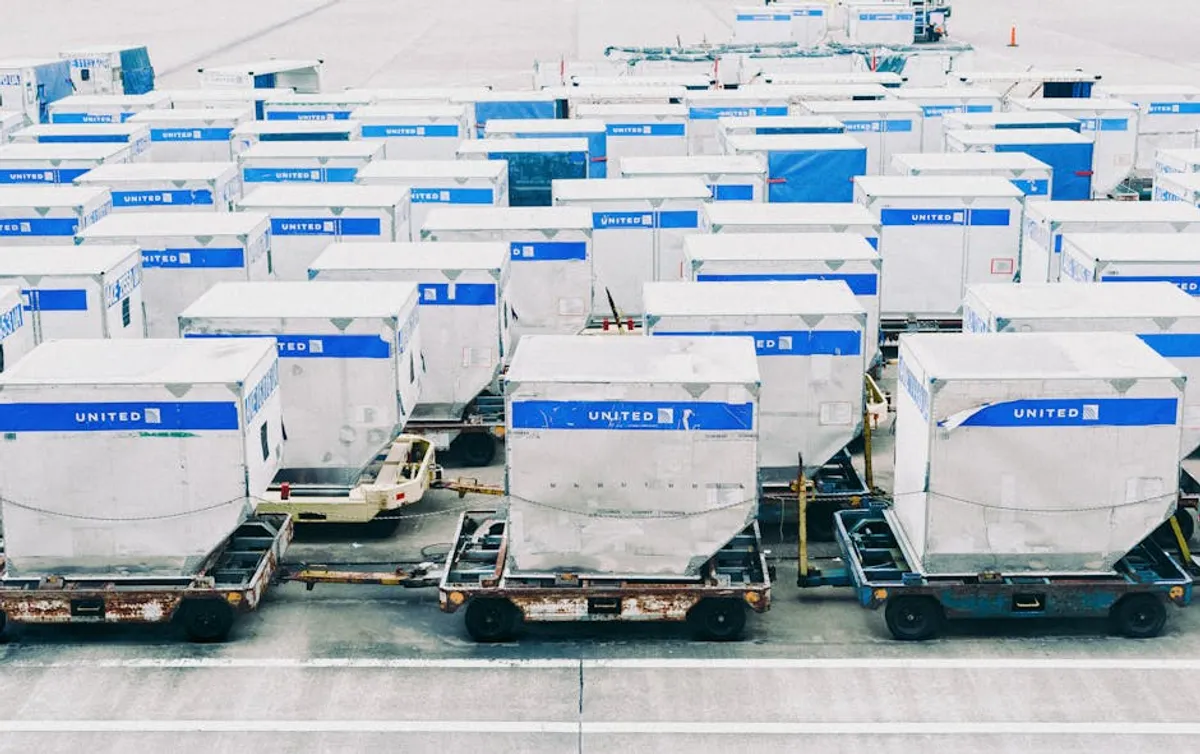
- Cargo Dimensions and Weight: Aircraft have specific limitations on size and weight, which must be considered during packaging and loading. Oversized or unusually shaped items may incur additional charges or require specialized cargo planes.
- Documentation and Customs: Accurate and complete documentation, including commercial invoices, packing lists, and air waybills, is critical for smooth customs clearance and to avoid delays.
- Hazardous Materials: Strict regulations govern the transport of dangerous goods by air, requiring specific packaging, labeling, and handling procedures as per IATA (International Air Transport Association) guidelines.
- Capacity and Peak Seasons: Air cargo capacity can fluctuate, especially during peak seasons or major global events. Booking in advance and maintaining flexible options are important strategies.
Ensuring Consistent Supply Chain Performance
Air freight is more than just a premium shipping option; it is a fundamental component for building and sustaining reliable supply chains in a dynamic global economy. Its ability to deliver speed, security, and global reach empowers businesses to meet market demands, mitigate unexpected disruptions, and manage inventory more effectively. By strategically integrating air freight into their logistics framework, companies can enhance their operational resilience, reduce total costs associated with delays and stock-outs, and ultimately secure a competitive advantage through consistent and dependable product delivery. By strategically integrating air freight into their logistics framework, companies can enhance their operational resilience, reduce total costs associated with delays and stock-outs, and ultimately secure a competitive advantage through consistent and dependable operations and enhancing supply chain visibility.
Frequently Asked Questions
When is air freight most cost-effective?
Air freight becomes most cost-effective when the total landed cost, including inventory holding, potential stock-out losses, and the value of speed to market, outweighs the higher per-kilogram shipping rate compared to other modes. This often applies to high-value, time-sensitive, or perishable goods.
What types of goods benefit most from air freight?
Goods that benefit most include high-value electronics, pharmaceuticals requiring strict temperature control, luxury items, urgent spare parts, seasonal fashion, and perishable commodities like fresh produce or flowers, where speed and security are paramount.
How does air freight contribute to supply chain resilience?
Air freight enhances resilience by offering a rapid response option during disruptions (e.g., port congestion, natural disasters), supporting just-in-time inventory strategies, and enabling quick market adjustments, thereby minimizing delays and maintaining operational continuity.
What are common challenges associated with air freight?
Common challenges include higher direct costs, strict weight and dimension limitations, complex international regulations for hazardous materials, and potential capacity constraints during peak seasons or global events, which necessitate careful planning and expert handling.