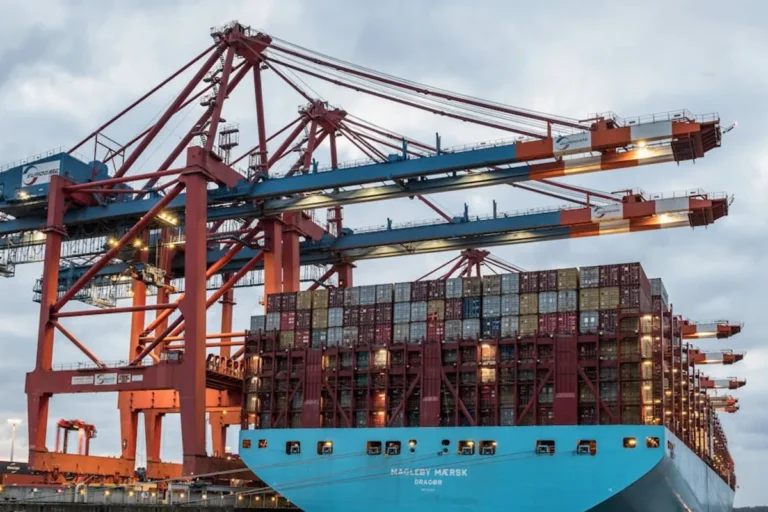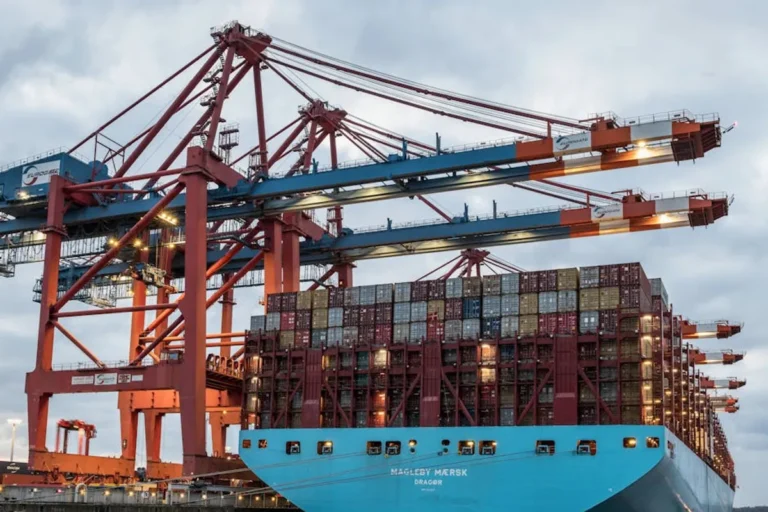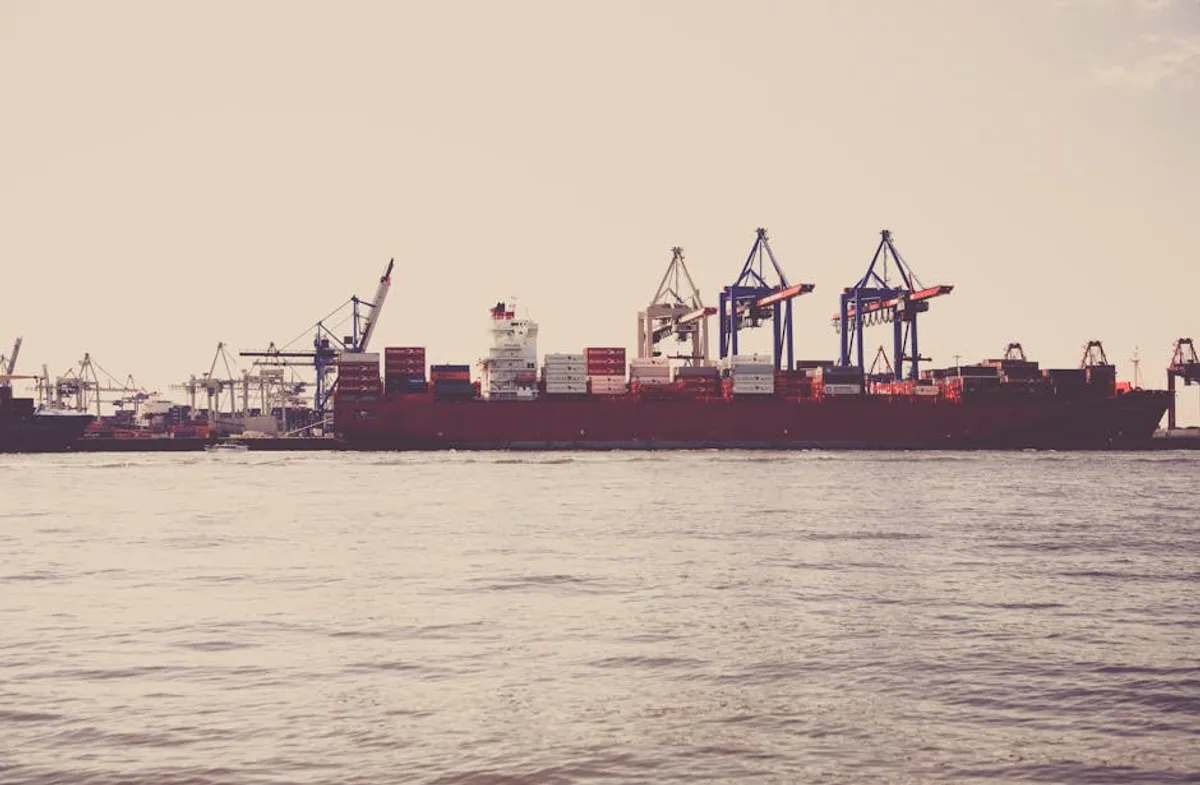
Ocean freight forms the backbone of global commerce, moving over 80% of international trade by volume. For businesses considering importing or exporting goods, understanding ocean freight is not merely an operational detail; it is a strategic decision that impacts supply chain efficiency, cost structures, and market reach. This guide provides a practical overview for beginners, detailing how ocean freight operates, its key components, and essential considerations for successful international shipping. Understanding why ocean freight matters for reliable supply chains can guide these essential considerations for successful international shipping.
Understanding Ocean Freight Fundamentals
Ocean freight is the method of transporting goods via cargo ships. It is characterized by its capacity to move large volumes of goods over long distances at a lower cost compared to air freight. This makes it the preferred choice for heavy, bulky, or non-time-sensitive shipments. The primary mechanism involves loading goods into standardized containers, which are then transported by specialized vessels across oceans.
Primary Advantages:
- Cost-effectiveness: Significantly lower per-unit cost for large volumes.
- High capacity: Can accommodate virtually any size or weight of cargo, including oversized items.
- Environmental impact: Generally more fuel-efficient per ton-mile than air freight, leading to a lower carbon footprint.
- Scalability: Easily handles fluctuating demand through various container and vessel options.
Key Terminology in Ocean Shipping
Navigating ocean freight requires familiarity with specific terms that define cargo types, shipping arrangements, and responsibilities. Understanding these terms is crucial for accurate quoting and avoiding costly misunderstandings.
Full Container Load (FCL)
FCL means a single shipper uses the entire capacity of a shipping container. Even if the container isn't completely full, the shipper pays for the exclusive use of that container. This option is generally more cost-effective for larger shipments (typically 15 cubic meters or more) because it avoids consolidation and deconsolidation fees, and often results in faster transit times due to direct routing.
Less than Container Load (LCL)
LCL refers to shipments that do not fill an entire container. Multiple shippers' goods are consolidated into a single container by a freight forwarder. This is suitable for smaller volumes (typically less than 15 cubic meters) where the cost of an FCL would be prohibitive. While more economical for small shipments, LCL can involve longer transit times due to the additional handling required for consolidation and deconsolidation at origin and destination ports.
Incoterms (International Commercial Terms)
Incoterms are a set of globally recognized rules published by the International Chamber of Commerce (ICC) that define the responsibilities of buyers and sellers for the delivery of goods under sales contracts. They specify who is responsible for paying for and managing the shipment, insurance, documentation, and customs clearance at various stages of the shipping process. Examples include EXW (Ex Works), FOB (Free On Board), CIF (Cost, Insurance and Freight), and DDP (Delivered Duty Paid). Selecting the correct Incoterm is critical for managing costs and liabilities.
Pro Tip: Always clarify the Incoterm used for any international shipment. Misunderstanding Incoterms is a common source of unexpected costs and disputes between buyers and sellers, particularly regarding who bears the risk and expense at different points in the journey.
Bill of Lading (BOL)
The Bill of Lading is a legal document issued by a carrier to a shipper. It serves three main functions: a contract of carriage, a receipt for goods, and a document of title. It details the type, quantity, and destination of the goods being shipped, and is essential for claiming goods at the destination port.
Customs Clearance
This is the process of getting goods approved by customs authorities in both the exporting and importing countries. It involves submitting necessary documentation, paying duties and taxes, and ensuring compliance with all import/export regulations. Delays in customs clearance can lead to significant additional costs.
Freight Forwarder
A freight forwarder acts as an intermediary between a shipper and various transportation services (ocean carriers, trucking companies, warehouses). They handle the logistics of international shipping, including booking cargo space, preparing documentation, arranging customs clearance, and coordinating inland transportation. For beginners, using a reputable freight forwarder simplifies the complex process of international shipping.
The Ocean Freight Process: A Step-by-Step Overview
While specific steps can vary, a typical ocean freight journey follows a predictable sequence:
- Booking and Preparation: The shipper (or their freight forwarder) books space on a vessel. Goods are prepared for shipment, including proper packaging, labeling, and necessary documentation.
- Origin Inland Transportation: Goods are transported from the shipper's location to the origin port, often by truck or rail.
- Export Customs Clearance: Customs brokers at the origin port handle the export declaration and ensure goods comply with export regulations.
- Loading at Port: Containers are loaded onto the vessel.
- Ocean Transit: The vessel sails to the destination port. This stage can take days to several weeks, depending on the route and distance.
- Arrival and Import Customs Clearance: Upon arrival, goods are offloaded. Customs brokers at the destination port handle import declarations, duty payments, and regulatory checks.
- Destination Inland Transportation: Once cleared, goods are transported from the destination port to the consignee's (receiver's) final delivery address.
Cost Factors in Ocean Freight
The total cost of ocean freight is a composite of several elements, each influenced by market conditions and specific shipment details:
- Base Freight Rate: The cost charged by the carrier for transporting the container from port to port. This varies based on route, carrier, and container type.
- Fuel Surcharges: Bunker Adjustment Factor (BAF) or Fuel Adjustment Factor (FAF) compensate carriers for fluctuations in fuel prices.
- Currency Adjustment Factor (CAF): Accounts for currency exchange rate fluctuations.
- Port Charges: Terminal Handling Charges (THC) at both origin and destination ports cover the cost of loading/unloading containers from ships to terminal yards.
- Customs Duties and Taxes: Levied by the importing country's government, based on the type and value of goods.
- Insurance: Cargo insurance protects against loss or damage during transit.
- Documentation Fees: Charges for preparing and processing various shipping documents.
- Inland Transportation: Costs for moving goods to the origin port and from the destination port to the final delivery point.
- Demurrage and Detention: Penalties for exceeding free time at the port (demurrage) or for holding a container outside the port beyond the allotted free time (detention).
Strategic Considerations for Businesses
For businesses new to international shipping, several strategic points warrant attention:
- Documentation Accuracy: Inaccurate or incomplete documentation is the leading cause of shipping delays and penalties. Ensure all paperwork, including the Bill of Lading, commercial invoice, packing list, and any required permits, is precise and consistent.
- Cargo Insurance: While carriers have limited liability, investing in comprehensive cargo insurance protects against unforeseen events like loss, damage, or theft.
- Lead Time Planning: Ocean freight typically has longer transit times than air freight. Account for potential delays in customs, port congestion, or adverse weather when planning your supply chain.
- Partner Selection: Choose a freight forwarder with a proven track record, specific expertise in your trade lanes, and transparent communication. Their reliability directly impacts your supply chain's efficiency.
Navigating Your First Ocean Shipment
Ocean freight offers a powerful, cost-effective solution for global logistics, particularly for businesses dealing with significant volumes or bulky goods. While the process involves numerous steps and specific terminology, partnering with experienced freight forwarders can streamline operations and mitigate risks. Focus on understanding the core concepts, clarifying responsibilities through Incoterms, and ensuring meticulous documentation. This foundational knowledge will enable you to make informed decisions that optimize your supply chain and expand your commercial reach.
Frequently Asked Questions
What is the difference between ocean freight and sea freight?
The terms "ocean freight" and "sea freight" are interchangeable. Both refer to the transportation of goods by ship across oceans or seas.
How long does ocean freight typically take?
Transit times vary significantly based on the origin, destination, and specific shipping route. For example, a shipment from China to the East Coast of the United States can take 25-40 days, while a shorter route within Europe might take only a few days. Port congestion and customs clearance can also add to the overall duration.
Is ocean freight suitable for all types of goods?
Ocean freight is ideal for most types of goods, especially large, heavy, or non-perishable items. However, highly perishable goods, extremely time-sensitive shipments, or high-value, low-volume items might be better suited for air freight due to its speed, despite the higher cost.
What is the role of a customs broker in ocean freight?
A customs broker is a licensed professional who assists importers and exporters in meeting government requirements for customs clearance. They prepare and submit necessary documentation, calculate duties and taxes, and facilitate communication with customs authorities, ensuring compliance and smooth passage of goods across borders.