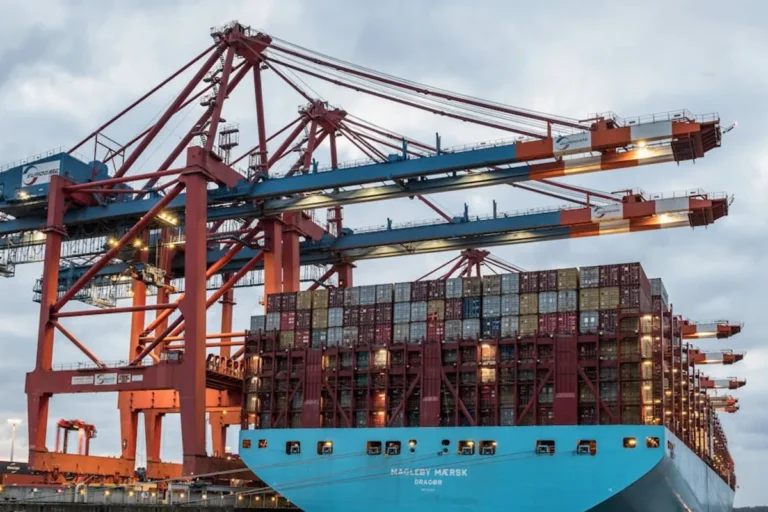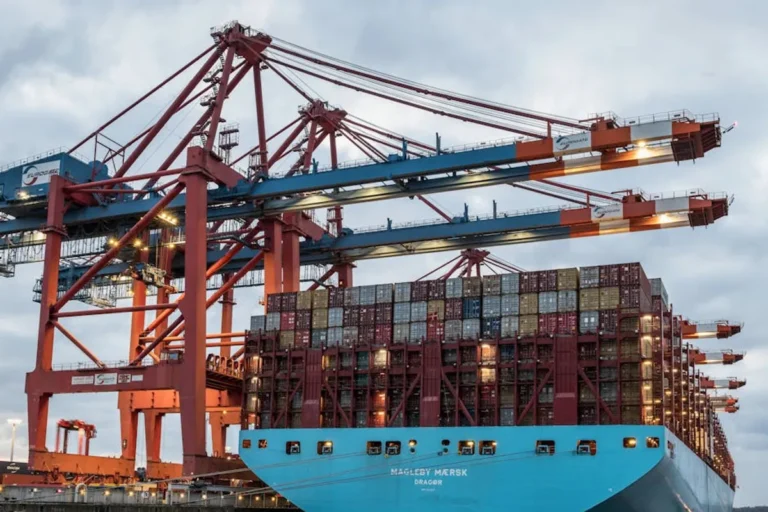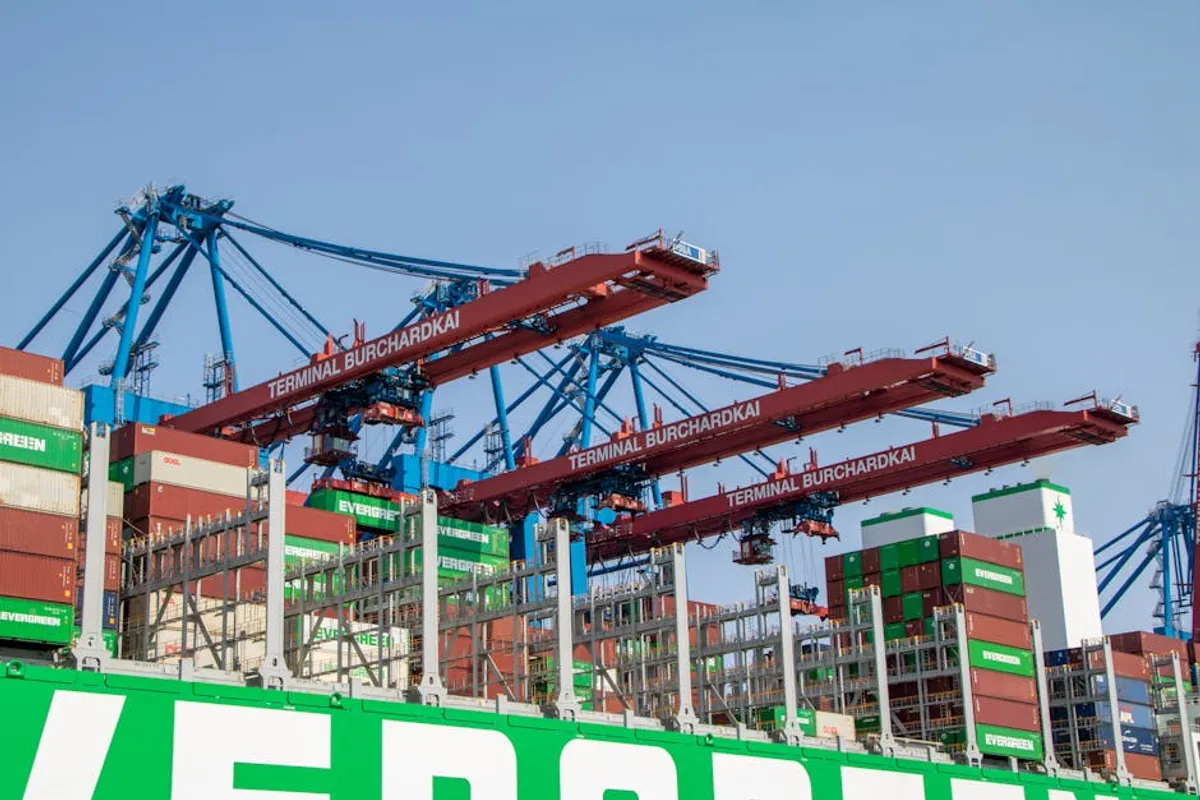
Container shipping forms the backbone of global trade, moving over 80% of the world's manufactured goods. For freight teams, understanding its mechanics, cost drivers, and operational nuances is not merely academic; it’s fundamental to optimizing supply chains, controlling costs, and ensuring reliable delivery schedules. The decision to use container shipping, and how to execute it effectively, directly impacts inventory management, customer satisfaction, and overall logistical efficiency. This guide outlines the practical considerations for freight teams navigating the complexities of containerized cargo movement.
Understanding Container Shipping Fundamentals
Container shipping involves transporting goods in standardized, intermodal containers that can be seamlessly transferred between ships, trains, and trucks. This standardization, introduced in the mid-20th century, revolutionized logistics by significantly reducing handling times, labor costs, and cargo damage. For freight teams, this means predictable transit, enhanced security, and the ability to move diverse cargo types across vast distances with relative ease.
The primary benefit lies in its efficiency. Containers allow for rapid loading and unloading, minimize pilferage, and protect cargo from environmental factors. This efficiency translates directly into cost savings through reduced labor at ports and faster turnaround times for vessels, which in turn influences freight rates.
Key Types of Shipping Containers and Their Applications
Selecting the correct container type is a critical decision for freight teams, directly impacting cargo integrity and cost. Containers adhere to ISO standards, primarily 20-foot (TEU) and 40-foot (FEU) lengths, with specific variations for specialized cargo.
- Dry Van (General Purpose) Containers: The most common type, fully enclosed and suitable for a wide range of non-perishable, dry goods. Available in 20ft, 40ft, and 40ft High Cube variations.
Best for: Packaged goods, electronics, textiles, machinery parts.
- Refrigerated (Reefer) Containers: Equipped with temperature control systems to maintain specific temperatures, essential for perishable goods.
Best for: Fruits, vegetables, pharmaceuticals, chemicals requiring controlled environments.
- Open Top Containers: Feature a removable tarpaulin roof instead of a solid one, allowing for oversized cargo to be loaded from the top.
Best for: Tall machinery, heavy equipment, bulky items that cannot fit through standard container doors.
- Flat Rack Containers: Have collapsible ends or no side walls, designed for oversized or oddly shaped cargo that requires side or top loading.
Best for: Vehicles, large industrial components, heavy construction materials.
The End-to-End Container Shipping Process
Navigating the container shipping process requires coordination across multiple stakeholders. Freight teams must understand each stage to anticipate potential delays and manage expectations.
- Booking and Documentation: Initiating the shipment with a carrier or freight forwarder, securing space on a vessel, and preparing necessary paperwork like the Bill of Lading.
- Drayage (Inland Transport): Transporting the empty container to the shipper's premises for loading, and then moving the loaded container to the port.
- Port Operations: Container reception at the terminal, customs clearance, and loading onto the vessel. This phase involves terminal handling charges (THC).
- Ocean Transit: The sea voyage from the origin port to the destination port. Transit times vary significantly based on routes, vessel speed, and potential delays.
- Customs Clearance (Destination): Unloading at the destination port, followed by customs inspection and clearance procedures in the importing country.
- Final Delivery (Drayage): Transporting the cleared container from the destination port to the consignee's final delivery address, and returning the empty container.
Essential Documentation for Container Shipments
Accurate and complete documentation is paramount to avoid customs delays, fines, and demurrage charges. Freight teams must ensure meticulous preparation of these core documents:
- Bill of Lading (B/L): A legal document issued by the carrier to the shipper, serving as a contract of carriage, a receipt for goods, and a document of title.
- Commercial Invoice: Details the transaction between the seller and buyer, including goods description, quantity, value, and terms of sale (Incoterms).
- Packing List: Provides an itemized list of goods within the shipment, including dimensions, weight, and package count, aiding in customs inspection.
- Customs Declaration: Required by customs authorities in both the exporting and importing countries, declaring the goods being shipped and their value for duty assessment.
- Certificate of Origin: Verifies the country where the goods were manufactured, often required for preferential tariff treatment or compliance with trade agreements.
Pro Tip: Implement a digital documentation system to streamline the creation, sharing, and archiving of shipping documents. This reduces errors, accelerates customs clearance, and provides an auditable trail for compliance.
Cost Factors Influencing Container Shipping Rates
Container shipping costs are dynamic, influenced by a multitude of factors beyond the base freight rate. Freight teams must analyze these components to accurately budget and negotiate. Understanding factors affecting total shipping costs directly impacts budgeting and negotiation strategies.
- Base Ocean Freight Rate: The cost charged by the carrier for transporting the container from port to port. This fluctuates based on supply, demand, fuel costs, and trade lane.
- Bunker Adjustment Factor (BAF) / Fuel Surcharge: An additional charge to cover fluctuations in fuel prices.
- Peak Season Surcharge (PSS): Applied during periods of high demand, typically before major holidays or during specific trade seasons.
- Terminal Handling Charges (THC): Fees levied by port terminals for handling containers at both origin and destination.
- Customs Duties and Taxes: Levied by the importing country based on the Harmonized System (HS) code of the goods and their declared value.
- Drayage/Inland Haulage: Costs associated with moving the container by truck or rail to and from the port.
- Demurrage and Detention: Penalties for exceeding free time at the port (demurrage) or for holding the container beyond the allotted free time outside the port (detention).
- Insurance: Cargo insurance protects against loss or damage during transit.
Optimizing Container Shipments for Freight Teams
Strategic planning can significantly reduce costs and improve reliability for freight teams.
Consolidation (LCL vs. FCL): For smaller shipments, Less than Container Load (LCL) allows multiple shippers to share container space, reducing costs. For larger volumes, Full Container Load (FCL) offers faster transit, less handling, and often lower per-unit costs. The decision hinges on volume, urgency, and budget.
Carrier Relationships: Developing strong relationships with multiple carriers and freight forwarders provides flexibility, competitive rates, and better service during peak seasons or disruptions.
Route Optimization: Analyzing different trade routes, transit times, and carrier schedules can identify more efficient or cost-effective options, especially for time-sensitive cargo.
Technology Adoption: Utilizing logistics software for tracking, documentation, and predictive analytics can provide real-time visibility and identify potential issues before they escalate.
Navigating Common Challenges in Container Shipping
Freight teams frequently encounter challenges that can impact schedules and budgets. Proactive management is key.
- Port Congestion and Delays: Factors like labor shortages, weather events, or sudden surges in cargo volume can cause significant delays. Monitoring port status and having contingency plans are crucial.
- Customs Compliance Issues: Incorrect documentation, misdeclaration of goods, or non-compliance with import regulations can lead to holds, fines, and shipment reprocessing.
- Cargo Damage or Loss: While containers offer protection, improper packing, rough handling, or unforeseen incidents can still result in damage. Adequate cargo insurance mitigates financial risk.
- Rate Volatility: Ocean freight rates can fluctuate dramatically due to global events, fuel prices, and carrier capacity. Regular market monitoring and long-term contracts can help stabilize costs.
Practical Steps for Efficient Container Logistics
To enhance operational efficiency and cost-effectiveness, freight teams should implement several practical measures:
- Forecast Demand Accurately: Better forecasting allows for more strategic booking of container space, potentially securing better rates and avoiding last-minute surcharges.
- Standardize Packaging: Optimize carton sizes and pallet configurations to maximize container utilization, reducing wasted space and per-unit shipping costs.
- Communicate Proactively: Maintain open lines of communication with suppliers, carriers, and customs brokers to address potential issues before they become critical problems.
- Review Incoterms: Understand the responsibilities and cost allocations defined by Incoterms (e.g., FOB, CIF, DDP) to ensure clarity and avoid unexpected expenses.
- Audit Invoices: Regularly review freight invoices for accuracy, identifying discrepancies in surcharges, accessorial fees, and base rates.
Frequently Asked Questions
What is the difference between FCL and LCL?
FCL (Full Container Load) means your goods occupy an entire container, while LCL (Less than Container Load) means your goods share container space with other shippers' cargo. FCL is generally faster and involves less handling, but LCL is more cost-effective for smaller volumes.
How are container shipping rates determined?
Rates are influenced by the base ocean freight, fuel surcharges (BAF), peak season surcharges (PSS), terminal handling charges (THC), port congestion, equipment availability, and the specific trade lane's supply and demand dynamics.
What are demurrage and detention charges?
Demurrage is a fee charged by the shipping line for using their container within the port terminal beyond the allotted free time. Detention is a fee for holding the container outside the port terminal (e.g., at your warehouse) beyond the agreed-upon free time.
How can freight teams mitigate risks in container shipping?
Mitigation strategies include securing comprehensive cargo insurance, diversifying carrier relationships, implementing robust documentation processes, monitoring global supply chain disruptions, and engaging experienced freight forwarders.