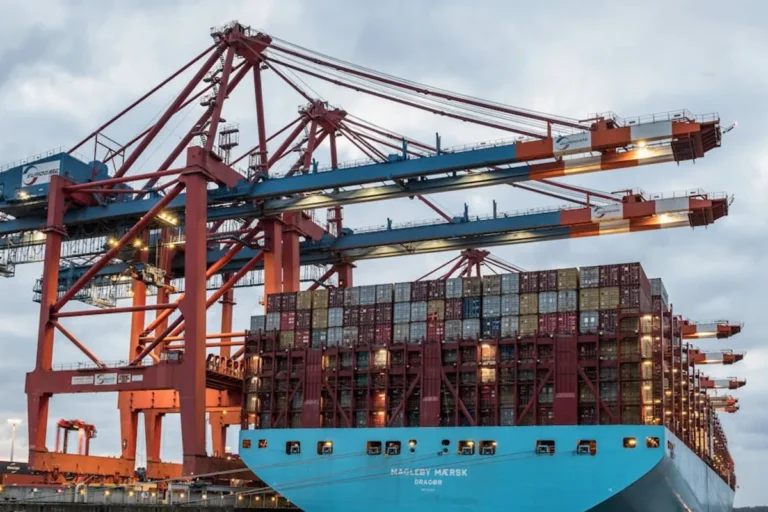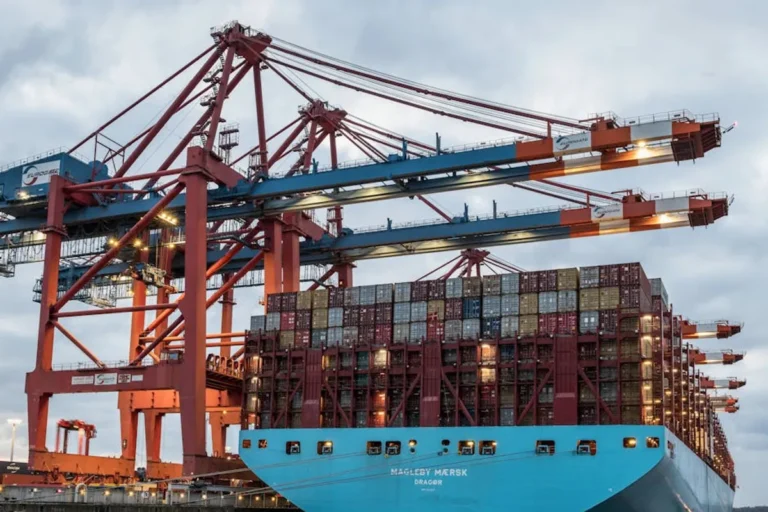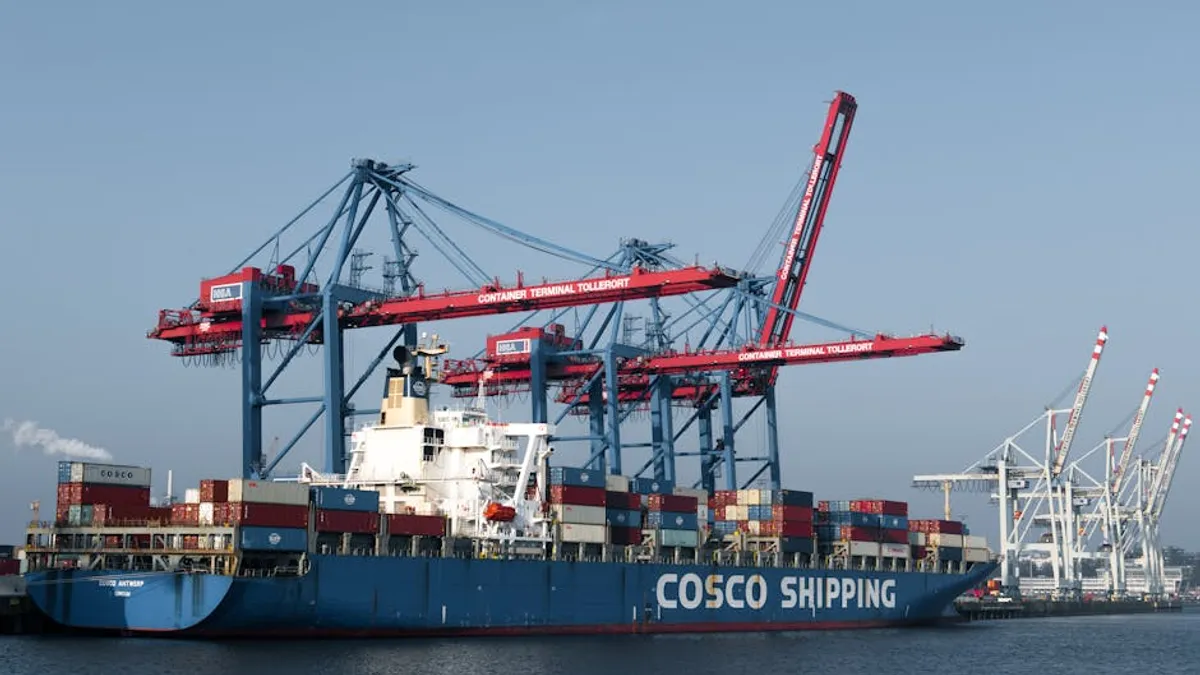
Container shipping forms the backbone of modern global commerce, facilitating the movement of approximately 90% of the world's non-bulk cargo. For any business engaged in international trade, from small e-commerce operations sourcing products overseas to large manufacturers distributing goods worldwide, understanding the fundamentals of container shipping is not merely advantageous—it is essential. This guide provides a practical overview for beginners, detailing the mechanics, advantages, and critical considerations involved in transporting goods across oceans and continents using standardized containers. Grasping these principles allows businesses to make informed logistical decisions, manage costs effectively, and ensure the reliable delivery of products to their target markets.
What Is Container Shipping?
Container shipping is a method of freight transport where goods are packed into large, standardized metal boxes, known as shipping containers, which are then loaded onto specialized container ships. These containers are designed to be easily transferable between different modes of transport—ships, trains, and trucks—without unpacking their contents, a concept known as intermodal transport. This system revolutionized global trade by dramatically reducing handling times, minimizing cargo damage, and lowering shipping costs compared to traditional break-bulk cargo methods.
The Standard Container: A Foundation of Global Trade
The ubiquity and efficiency of container shipping stem directly from the standardization of the shipping container itself. Developed in the mid-20th century, these containers adhere to International Organization for Standardization (ISO) specifications regarding dimensions, structural integrity, and locking mechanisms. This standardization allows any container to be seamlessly handled by specialized equipment at ports worldwide and stacked securely on vessels, trains, or trucks, regardless of its origin.
ISO Container Types and Dimensions
While the 20-foot Equivalent Unit (TEU) and 40-foot Equivalent Unit (FEU) are the most common benchmarks, various container types exist to accommodate different cargo needs. Understanding these types is crucial for selecting the appropriate container for specific goods:
- Dry Van (General Purpose): The most common type, fully enclosed and suitable for a wide range of dry goods. Available in 20-foot and 40-foot lengths, with some "high cube" versions offering extra height.
- Refrigerated (Reefer): Equipped with a refrigeration unit to maintain precise temperatures, essential for perishable goods like food, pharmaceuticals, and certain chemicals.
- Open Top: Features a removable tarpaulin roof instead of a solid one, allowing for easy loading of oversized cargo (e.g., machinery) from the top using cranes.
- Flat Rack: Lacks side walls and a roof, with collapsible end walls. Designed for heavy, bulky, or oddly shaped cargo that cannot fit into standard containers.
- Tank Container: A cylindrical tank mounted within a standard frame, used for transporting liquids, gases, and powders in bulk.
Why Standardization Matters
Standardization ensures interoperability across the entire global logistics network. A container loaded in China can be transported by rail across Europe, then by truck to its final destination in a different country, all without requiring the cargo to be re-packed or transferred between different types of transport units. This seamless transition minimizes labor costs, reduces the risk of theft or damage, and significantly accelerates transit times.
The Journey of a Container: From Factory to Destination
The process of container shipping involves a complex, coordinated series of steps designed to move goods efficiently across vast distances. For beginners, visualizing this journey helps clarify the operational aspects.
Key Stages in the Supply Chain
The typical journey of a full container load (FCL) or less than container load (LCL) shipment involves several distinct phases:
- Booking and Preparation: The shipper books space on a vessel with a freight forwarder or carrier, arranges for the container to be delivered to their facility, and loads the cargo.
- Inland Transport (Origin): The loaded container is transported by truck or rail from the shipper's facility to the origin port.
- Port Operations (Origin): At the port, the container undergoes customs clearance and is loaded onto a container ship using specialized cranes.
- Ocean Transit: The container ship travels across oceans to the destination port. This is often the longest leg of the journey.
- Port Operations (Destination): Upon arrival, the container is unloaded, cleared through customs in the destination country, and prepared for onward transport.
- Inland Transport (Destination): The container is transported by truck or rail from the destination port to the consignee's (receiver's) warehouse or distribution center.
- Unloading and Return: The cargo is unloaded, and the empty container is returned to the carrier or depot.
Intermodal Transport Explained
The efficiency of container shipping largely relies on intermodal transport, which integrates different transport modes—sea, rail, and road—using the same container unit. This eliminates the need for manual handling of individual packages at each transfer point, leading to faster transit times and reduced costs. For example, a container might travel by ship from Asia to a European port, then by train to an inland rail hub, and finally by truck for the "last mile" delivery to a warehouse.
Advantages and Considerations of Container Shipping
For businesses, the decision to utilize container shipping involves weighing its inherent benefits against potential challenges.
Benefits for Businesses
The widespread adoption of container shipping is due to its significant commercial advantages:
- Cost Efficiency: Standardized handling and reduced labor requirements translate into lower overall shipping costs per unit of cargo, especially for large volumes.
- Cargo Security: Containers are sealed at the point of origin, protecting goods from theft, damage, and environmental factors throughout the journey.
- Speed and Reliability: Streamlined port operations and intermodal transfers minimize delays, leading to more predictable transit times compared to older methods.
- Global Reach: The interconnected network of container ports and shipping lines allows businesses to access markets and suppliers worldwide.
- Scalability: Businesses can ship anything from a few pallets (LCL) to multiple full containers (FCL), scaling their logistics operations to match demand.
Potential Challenges and Risks
Pro Tip: Always secure comprehensive cargo insurance. While containerization significantly reduces risks like theft and damage, unforeseen events such as vessel accidents, natural disasters, or port delays can still impact your shipment. Standard carrier liability is often limited and may not cover the full value of your goods, making dedicated insurance a critical safeguard for your financial exposure.
Despite its advantages, businesses must also consider certain aspects:
- Port Congestion: High volumes at major ports can lead to delays in loading, unloading, and customs clearance, impacting supply chain timelines.
- Capacity Shortages: During peak seasons or global disruptions, container availability and vessel space can become scarce, leading to increased freight rates.
- Documentation Complexity: International shipping requires precise and extensive documentation, including bills of lading, customs declarations, and commercial invoices. Errors can cause significant delays and fines.
- Environmental Impact: The large carbon footprint of ocean freight is a growing concern, prompting efforts towards more sustainable shipping practices.
Navigating the Documentation and Regulations
Successful container shipping relies heavily on accurate and complete documentation. Key documents include the Bill of Lading (the contract between the shipper and carrier, also serving as a receipt and title to the goods), Commercial Invoice (detailing the goods sold), Packing List (itemizing contents), and various customs declarations specific to the origin and destination countries. Adherence to international trade regulations, customs laws, and safety standards (e.g., Verified Gross Mass or VGM regulations) is mandatory to avoid penalties and ensure smooth transit.
Future Trends in Container Shipping
The industry continues to evolve, driven by technology and sustainability goals. Digitalization, including real-time tracking and blockchain for documentation, aims to enhance transparency and efficiency. Automation in ports, such as automated guided vehicles and remote-controlled cranes, is increasing throughput. Furthermore, the development of alternative fuels and more energy-efficient vessel designs addresses the environmental impact of global shipping, influencing future operational costs and regulatory landscapes.
Optimizing Your Container Shipments
To maximize the efficiency and cost-effectiveness of your container shipments, consider these actionable strategies. First, engage with experienced freight forwarders who can navigate complex logistics, negotiate rates, and manage documentation. Second, optimize container utilization; for LCL shipments, consolidate cargo where possible, and for FCL, ensure containers are packed efficiently to avoid paying for empty space. Third, plan well in advance, especially during peak seasons, to secure capacity and mitigate potential delays. Finally, invest in robust inventory management systems that integrate with your shipping schedule, providing visibility and enabling proactive adjustments to your supply chain.
Frequently Asked Questions
What is the difference between FCL and LCL?
FCL (Full Container Load) means a single shipper uses the entire container for their cargo. LCL (Less than Container Load) means a shipper's cargo does not fill a full container, so their goods are consolidated with other shippers' cargo into one container by a freight forwarder.
How long does container shipping typically take?
Transit times vary significantly based on the origin, destination, shipping route, and service speed. Ocean transit alone can range from a few days for short sea routes to several weeks (e.g., 20-45 days) for transcontinental journeys. Port congestion, customs clearance, and inland transport add further time.
What are common surcharges in container shipping?
Beyond the base freight rate, common surcharges include Bunker Adjustment Factor (BAF) for fuel fluctuations, Currency Adjustment Factor (CAF) for exchange rate volatility, Terminal Handling Charges (THC) at ports, Peak Season Surcharge (PSS), and various security or documentation fees.
Do I need a freight forwarder for container shipping?
While not strictly mandatory for experienced shippers with direct carrier relationships, a freight forwarder is highly recommended for beginners and most businesses. They handle logistics, documentation, customs clearance, and can often secure better rates and provide expertise, simplifying the complex process of international shipping.