Bulk shipping involves the transportation of unpackaged, homogeneous cargo in large quantities, typically by sea. For freight teams, understanding its intricacies is not merely an academic exercise; it dictates supply chain efficiency, cost structures, and ultimately, market competitiveness. Unlike containerized freight, bulk cargo is loaded directly into a vessel’s holds, demanding specialized handling, infrastructure, and strategic planning. This guide dissects the operational realities, strategic advantages, and inherent challenges of bulk shipping, providing a practical framework for teams managing these critical logistics flows.
What Defines Bulk Shipping?
Bulk shipping is characterized by the nature of the goods transported: raw materials or commodities that are not individually packaged. These goods are loaded directly into the vessel's cargo holds, maximizing volumetric and weight capacity. The primary distinction within bulk shipping lies between dry bulk and liquid bulk, each requiring different vessel types and handling protocols.
Dry Bulk vs. Liquid Bulk
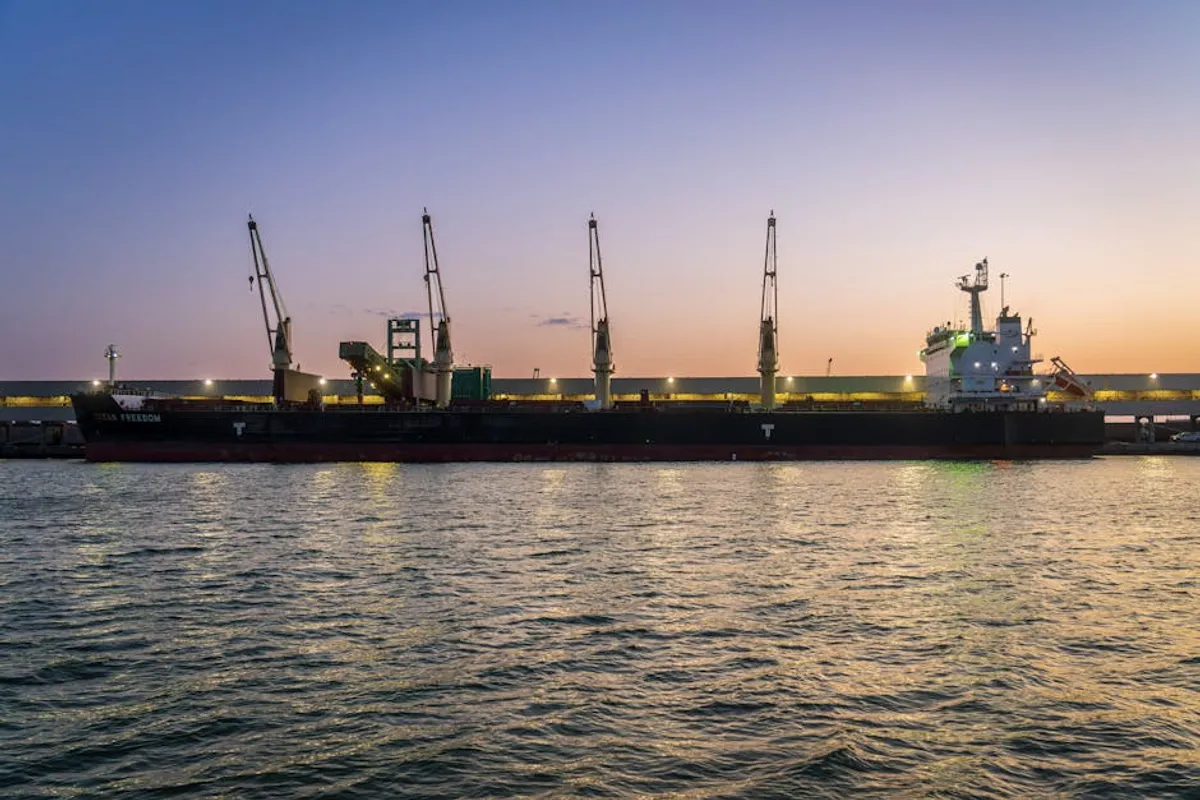
Dry Bulk: This category includes granular or powdered commodities such as iron ore, coal, grains (wheat, corn, soybeans), fertilizers, cement, and aggregates. These materials are typically loaded and unloaded using cranes, conveyor belts, or specialized pneumatic systems. Vessels designed for dry bulk, known as bulk carriers, range in size from small handysize vessels to massive Capesize carriers, each optimized for different trade routes and port capabilities.
Liquid Bulk: Liquid bulk comprises crude oil, petroleum products (gasoline, diesel), natural gas, chemicals, and edible oils. These are transported in specialized tankers, which feature compartmentalized tanks to prevent cargo shifting and contamination. Tankers are categorized by size (e.g., Aframax, Suezmax, VLCC, ULCC) and cargo type, with specific requirements for heating, cooling, or inert gas systems to maintain cargo integrity and safety.
Key Characteristics of Bulk Cargo
- Homogeneity: Cargo consists of a single type of product, simplifying inventory management but requiring strict segregation if multiple types are carried.
- Unpackaged: No individual packaging means higher loading efficiency and reduced packaging costs, but also requires robust containment within the vessel and at terminals.
- Large Volumes: Bulk shipments are inherently large-scale, driving economies of scale in transportation costs per unit.
- Low Value-to-Weight Ratio: Many bulk commodities have a relatively low value per ton, making transportation costs a significant component of their final market price. This necessitates highly efficient and cost-effective shipping solutions.
- Commodity Nature: Prices for bulk commodities are often subject to global supply and demand fluctuations, impacting freight rates and overall profitability.
Operational Considerations for Freight Teams
Managing bulk shipments demands meticulous attention to operational details, from vessel selection to port logistics.
Vessel Selection and Chartering
Choosing the correct vessel type and size is paramount. Freight teams must assess cargo volume, port draft restrictions, loading/unloading rates, and transit time requirements. Chartering options include voyage charters (for a single trip), time charters (for a specified period), or bareboat charters (leasing the vessel without crew). Each option carries different levels of operational control, risk, and cost responsibility. A strategic approach involves balancing flexibility with long-term cost predictability.
Port Operations and Infrastructure
Bulk cargo requires specialized port infrastructure, including deepwater berths, dedicated terminals, and high-capacity handling equipment. Freight teams must verify that chosen ports can accommodate the vessel's size and draft, possess the necessary equipment for efficient loading and unloading (e.g., grab cranes, conveyor systems, pipelines), and have sufficient storage capacity (e.g., silos, tanks, open stockpiles). Delays at port due to inadequate infrastructure or congestion can incur significant demurrage charges, directly impacting profitability.
Cargo Handling and Storage
Proper cargo handling minimizes loss, contamination, and damage. For dry bulk, this involves managing dust, preventing spillage, and ensuring proper trimming within the holds for stability. For liquid bulk, it includes temperature control, inerting tanks to prevent explosions, and preventing cross-contamination between different products. Storage at origin and destination requires specialized facilities that protect the cargo from environmental factors and maintain its quality until further processing or distribution.
Pro Tip: Market volatility in bulk freight rates can significantly impact profitability. Freight teams should consider hedging strategies, such as Freight Forward Agreements (FFAs), or securing long-term contracts of affreightment (COAs) to mitigate exposure to rate fluctuations, especially for high-volume, consistent movements. Relying solely on spot market rates can expose operations to unpredictable cost spikes.
Strategic Advantages and Challenges
Bulk shipping offers distinct advantages but also presents complex challenges that freight teams must navigate.
Cost Efficiency and Economies of Scale
Best for: Industries with high-volume, low-value commodities.
The primary advantage of bulk shipping is its unparalleled cost efficiency for large consignments. By maximizing cargo volume per vessel, the cost per unit of product transported decreases significantly. This economy of scale makes bulk shipping the only viable option for global trade in raw materials like iron ore, coal, and crude oil, which are essential inputs for numerous industries. Reduced packaging requirements further contribute to lower overall logistics costs.
Market Volatility and Risk Management
Bulk freight rates are highly sensitive to global economic conditions, geopolitical events, and seasonal demand. This volatility makes forecasting challenging and can lead to unpredictable transportation costs. Freight teams must develop robust risk management strategies, including diversifying shipping routes, establishing relationships with multiple carriers, and potentially utilizing financial instruments to hedge against rate fluctuations. Furthermore, the high value of a single bulk cargo shipment means that incidents like vessel damage, cargo loss, or environmental spills carry substantial financial and reputational risks, necessitating comprehensive insurance and emergency response protocols.
Regulatory Compliance and Environmental Impact
Bulk shipping is subject to a complex web of international maritime regulations, including those from the International Maritime Organization (IMO) concerning safety, pollution prevention (e.g., MARPOL), and security. Compliance requires stringent operational procedures, vessel maintenance, and crew training. Environmental concerns, particularly related to fuel emissions and ballast water management, are increasingly scrutinized. Freight teams must stay abreast of evolving regulations and integrate sustainable practices into their operations, which can include adopting cleaner fuels, optimizing vessel speeds, and investing in emission reduction technologies. Non-compliance can result in hefty fines, detention of vessels, and severe reputational damage.
Implementing a Bulk Shipping Strategy
Developing an effective bulk shipping strategy involves several critical steps:
- Demand Forecasting: Accurately predict cargo volumes and shipping frequencies to optimize vessel size and chartering agreements.
- Route Optimization: Analyze potential routes, considering transit times, fuel consumption, canal fees, and port capabilities to identify the most efficient paths.
- Carrier Relationship Management: Build strong, transparent relationships with reputable bulk carriers to ensure reliability, competitive rates, and flexibility during market shifts.
- Technology Integration: Utilize logistics software for tracking vessels, managing contracts, optimizing stowage, and analyzing performance data to identify areas for improvement.
- Contingency Planning: Develop protocols for unexpected events like port closures, weather delays, or mechanical failures to minimize disruptions and costs.
Optimizing Your Bulk Freight Operations
For freight teams, optimizing bulk shipping is an ongoing process that extends beyond initial planning. This involves continuous monitoring of market conditions, freight rates, and operational performance. Regularly review charter party agreements to ensure they remain competitive and adequately cover risk. Invest in data analytics to identify bottlenecks in port operations or cargo handling, allowing for proactive adjustments. Furthermore, foster strong communication channels with port authorities, customs, and carriers to streamline processes and resolve issues swiftly. By maintaining a proactive, data-driven approach, freight teams can continuously refine their bulk shipping strategies, ensuring cost-effectiveness, reliability, and compliance in a dynamic global trade environment.
Frequently Asked Questions
What is the difference between bulk shipping and container shipping?
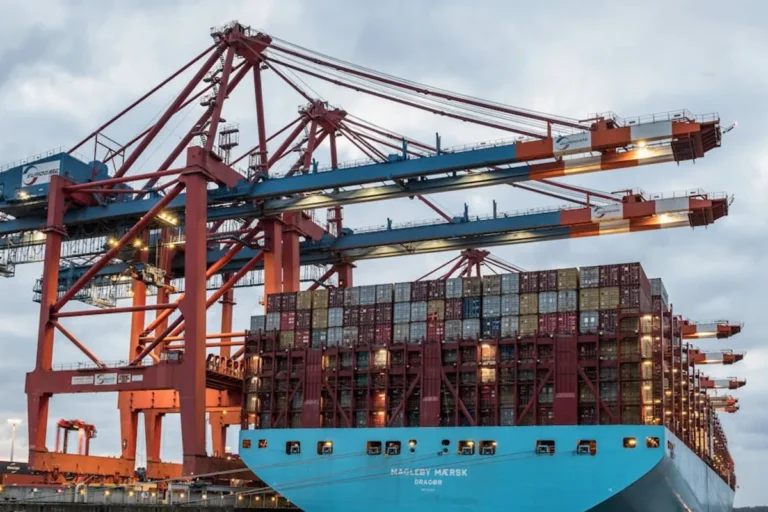
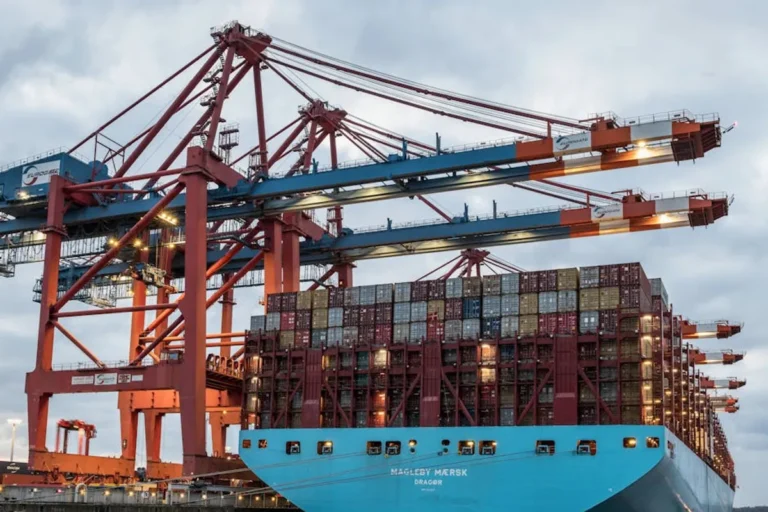
Bulk shipping transports unpackaged, homogeneous goods directly in a vessel's holds, suitable for large volumes of raw materials. Container shipping, conversely, uses standardized intermodal containers to transport packaged goods, offering flexibility for diverse cargo types and easier intermodal transfers.
What types of vessels are used for bulk shipping?
Bulk shipping primarily uses bulk carriers for dry bulk cargo (e.g., grains, ores) and tankers for liquid bulk cargo (e.g., oil, chemicals). These vessels vary significantly in size and specialized features depending on the specific cargo and trade routes.
How are bulk shipping rates determined?
Bulk shipping rates are influenced by global supply and demand for vessels, fuel prices, geopolitical stability, port congestion, and the specific route and cargo type. They are highly volatile and can change rapidly based on market conditions.
What are the main risks associated with bulk shipping?
Key risks include market volatility in freight rates, cargo damage or loss, environmental spills (especially for liquid bulk), vessel breakdowns, port delays, and non-compliance with international maritime regulations. Comprehensive risk management and insurance are crucial.