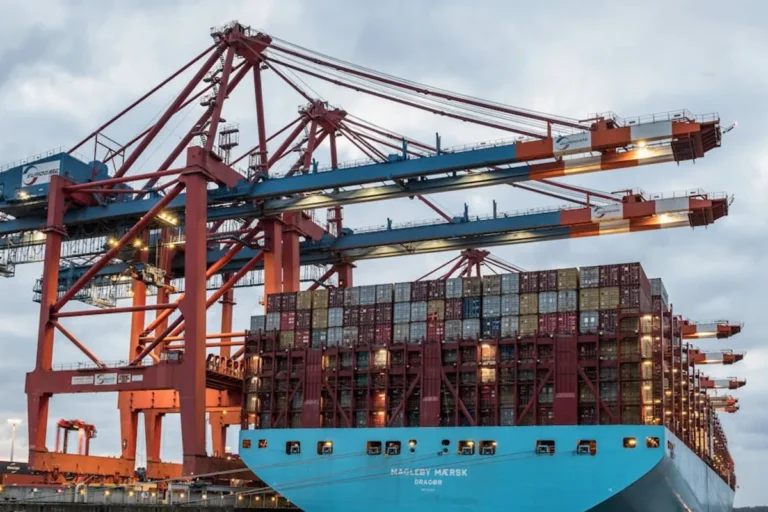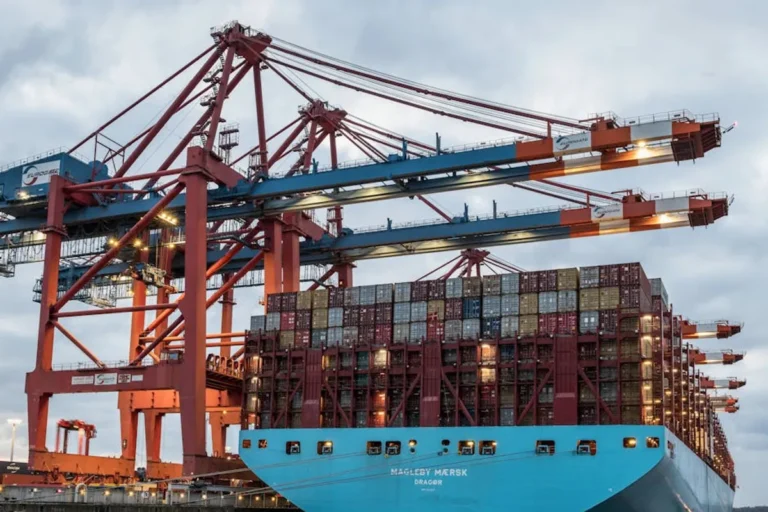
Importers face a complex and often unpredictable global logistics landscape. Supply chain disruptions, from port congestion to unforeseen geopolitical events, can lead to significant financial losses, damaged customer relationships, and operational bottlenecks. A structured approach to managing these risks is not merely beneficial; it is essential for maintaining continuity and profitability. Developing and implementing a comprehensive shipping delays checklist allows importers to systematically identify potential issues, prepare contingency plans, and execute informed decisions when delays inevitably occur. This guide outlines the critical components of such a checklist, designed to transform reactive responses into proactive risk mitigation strategies.
Common Triggers for Import Shipping Delays
Effective delay management begins with understanding the root causes. Many factors contribute to shipping delays, and recognizing these helps in anticipating and preparing for them.
Port Congestion and Infrastructure Issues
Overwhelmed ports, insufficient terminal capacity, and limited drayage services are frequent culprits. When vessels queue for days or weeks, it creates a domino effect across the supply chain. Infrastructure limitations, such as outdated equipment or insufficient staffing, further exacerbate these bottlenecks, leading to extended dwell times for containers and increased demurrage charges.
Customs Clearance and Documentation Errors
Inaccurate, incomplete, or improperly submitted documentation is a primary cause of customs holds. Even minor discrepancies in commercial invoices, packing lists, bills of lading, or certificates of origin can trigger extensive inspections, leading to significant delays and potential fines. Furthermore, changes in import regulations or heightened security protocols can slow down the clearance process, regardless of documentation accuracy.
Carrier Capacity and Equipment Shortages
Fluctuations in global demand, coupled with labor shortages (e.g., truck drivers, port workers) and equipment imbalances (e.g., container availability), directly impact carrier reliability. When carriers operate at peak capacity or face unexpected operational challenges, scheduled sailings can be delayed, rolled, or even canceled, forcing goods to wait for subsequent vessels or alternative transport. This directly affects lead times and inventory management.
Geopolitical Events and Natural Disasters
External factors, often beyond immediate control, introduce substantial risk. Geopolitical tensions, trade disputes, labor strikes, and natural disasters like hurricanes, earthquakes, or pandemics can abruptly disrupt shipping lanes, close ports, or impose new restrictions. These events necessitate rapid adaptation and often require activating robust contingency plans to reroute shipments or secure alternative transport modes.
Proactive Steps Before Goods Leave Origin
Preparation at the origin point is the first line of defense against shipping delays. Establishing clear protocols and vetting partners can significantly reduce future complications.
Supplier Vetting and Communication Protocols
Best for: Reducing pre-shipment errors and ensuring transparency.
Thoroughly vet suppliers for their reliability, adherence to shipping schedules, and track record for accurate documentation. Establish clear communication channels and agreed-upon protocols for updates, issue reporting, and documentation submission. This proactive engagement ensures that your supplier understands your requirements and can alert you to potential delays before they escalate.
Accurate Documentation and Compliance Checks
Best for: Expediting customs clearance and avoiding penalties.
Ensure all necessary import documentation (commercial invoice, packing list, bill of lading, certificate of origin, permits, licenses) is complete, accurate, and compliant with both origin and destination country regulations. Utilize freight forwarders or customs brokers with expertise in your specific product categories and trade lanes to review documents before submission. This minimizes the risk of customs holds and associated demurrage or detention charges.
Insurance Coverage and Liability Understanding
Best for: Mitigating financial risk from lost or damaged goods.
Secure appropriate cargo insurance to cover potential losses or damages during transit. Understand the Incoterms (International Commercial Terms) agreed upon with your supplier, as these define who is responsible for the risk, cost, and insurance at each stage of the shipping process. Clear liability understanding prevents disputes and clarifies financial obligations in case of unforeseen events.
Diversifying Shipping Lanes and Carriers
Best for: Building supply chain resilience against single points of failure.
Avoid over-reliance on a single shipping route or carrier. By establishing relationships with multiple carriers and exploring alternative shipping lanes or ports, you distribute risk. If one route experiences severe congestion or a carrier faces operational issues, you have established alternatives, preventing complete paralysis of your supply chain.
Managing Delays While Goods Are En Route
Once goods are in transit, monitoring and swift action become paramount for mitigating the impact of delays.
Real-Time Tracking and Communication Tools
Best for: Gaining visibility and enabling timely intervention.
Implement or leverage tools that provide real-time visibility into your shipments. This includes carrier tracking portals, third-party logistics (3PL) platforms, or dedicated supply chain visibility software. Knowing the exact location and estimated time of arrival (ETA) allows you to anticipate delays, communicate proactively with stakeholders, and make informed decisions about inventory adjustments or alternative arrangements.
Contingency Plans for Rerouting or Alternative Modes
Best for: Maintaining delivery schedules despite significant disruptions.
Develop pre-defined contingency plans for significant delays. This might involve identifying alternative ports, securing air freight options for critical components, or arranging for expedited ground transport once goods clear customs. These plans should include cost analyses and trigger points for activation, ensuring that decisions can be made swiftly under pressure.
Financial Reserves and Cash Flow Management
Best for: Absorbing unexpected costs and maintaining operational liquidity.
Shipping delays often incur additional costs, such as demurrage, detention, storage fees, or expedited shipping charges. Maintain adequate financial reserves to cover these unexpected expenses without disrupting your cash flow. Proactive financial planning ensures that your operations can absorb the impact of delays without compromising solvency.
Strategies for Post-Arrival Efficiency
Even after a vessel arrives, delays can occur. Streamlining post-arrival processes is crucial for rapid cargo release and onward delivery.
Pre-Clearance Procedures
Best for: Accelerating cargo release at the destination port.
Work with your customs broker to initiate pre-clearance procedures whenever possible. Submitting documentation and duties electronically before the vessel's arrival can significantly reduce the time cargo spends at the port. This proactive approach ensures that once the vessel docks, your goods are processed quickly, minimizing potential demurrage and detention fees.
Local Logistics and Drayage Coordination
Best for: Ensuring timely pickup and onward delivery.
Coordinate drayage and local transportation well in advance of the vessel's arrival. Ensure your trucking partners are aware of the ETA and any specific port requirements. Delays in securing drayage can lead to containers sitting at the port, accruing additional charges. Establish backup drayage providers to mitigate risks associated with driver shortages or equipment breakdowns.
Communication with End Customers
Best for: Managing expectations and preserving customer satisfaction.
Maintain transparent and timely communication with your end customers regarding any delays. Proactive updates, even before a customer inquires, demonstrate professionalism and help manage expectations. Provide revised delivery estimates and explain the steps being taken to resolve the issue. This transparency can significantly reduce customer frustration and preserve long-term relationships.
Pro Tip: Implement robust supply chain visibility tools. Knowing where your shipment is and anticipating potential bottlenecks before they become critical allows for proactive intervention, minimizing costly reactive measures like expedited shipping or warehousing fees. This data-driven approach transforms reactive problem-solving into strategic risk management.
Crafting Your Importer's Delay Mitigation Checklist
A functional checklist distills these strategies into actionable steps, ensuring consistency and accountability.
- Pre-Shipment Verification:
- Confirm supplier production and ready dates.
- Verify all export/import documentation is accurate and complete.
- Confirm Incoterms and insurance coverage.
- Obtain booking confirmation and vessel schedule.
- Review historical performance of selected carrier/route.
- In-Transit Monitoring:
- Set up real-time tracking alerts for ETAs and potential deviations.
- Establish daily/weekly communication with freight forwarder.
- Monitor port congestion reports at destination.
- Prepare alternative transport quotes for critical shipments.
- Post-Arrival Procedures:
- Confirm customs pre-clearance status.
- Verify drayage and local transport arrangements.
- Communicate updated delivery schedules to internal teams and customers.
- Review post-mortem of any delays for continuous improvement.
- Financial & Contingency Planning:
- Allocate budget for potential demurrage/detention.
- Maintain emergency fund for expedited shipping.
- Develop a formal communications plan for stakeholders during delays.
Sustaining Resilience in Your Supply Chain
Implementing a shipping delays checklist is not a one-time task but an ongoing process of refinement. Regularly review your checklist against actual delay incidents, updating it to reflect new challenges, improved processes, or changes in global logistics. Foster strong relationships with all supply chain partners—suppliers, carriers, freight forwarders, and customs brokers—as their collaboration is vital during disruptions. By embedding these practices into your operational framework, you build a more resilient and adaptable import supply chain, capable of navigating the inherent unpredictability of international trade with greater confidence and efficiency.
Frequently Asked Questions
What are the most common reasons for import shipping delays?
The most common reasons include port congestion, customs clearance issues due to incorrect documentation, carrier capacity shortages, and unforeseen geopolitical events or natural disasters that disrupt shipping routes and schedules.
How can importers proactively prevent delays?
Proactive prevention involves thorough supplier vetting, ensuring accurate and complete documentation, understanding Incoterms and securing insurance, and diversifying shipping routes and carriers to reduce reliance on single points of failure.
What steps should an importer take when a delay occurs?
When a delay occurs, importers should immediately leverage real-time tracking tools, activate pre-defined contingency plans (e.g., rerouting, alternative transport), manage financial reserves, and maintain transparent communication with all stakeholders, including end customers, about revised timelines.
Is cargo insurance sufficient protection against delays?
While cargo insurance protects against financial loss from damaged or lost goods, it typically does not cover financial losses incurred solely due to delays (e.g., lost sales, production stoppages) unless specifically stipulated in a comprehensive policy. Importers should understand their policy limitations and consider broader supply chain disruption insurance if available and relevant.