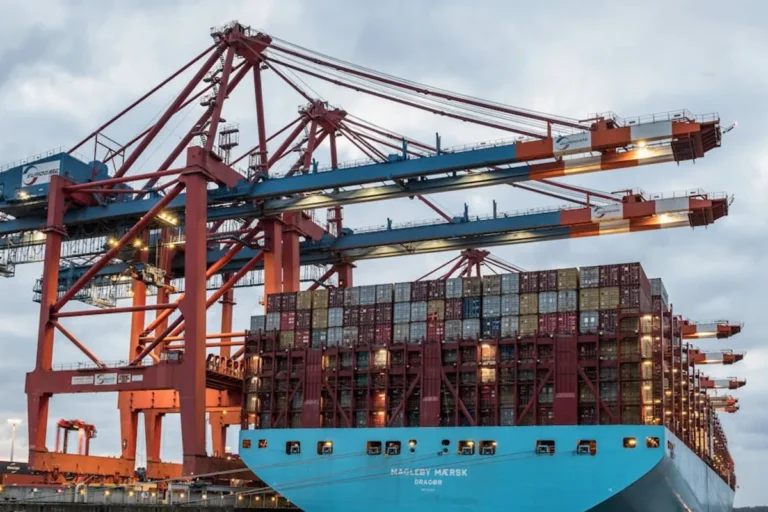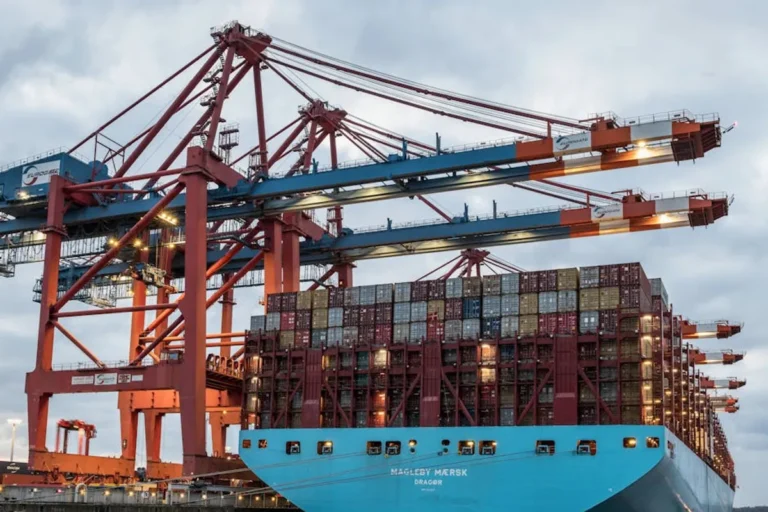
The global movement of goods fundamentally relies on shipping containers, making their operational landscape a critical barometer for supply chain health and economic shifts. For businesses engaged in international trade, logistics, or manufacturing, understanding the evolving trends within the shipping container sector is not merely about staying informed; it is about strategic foresight. This year presents distinct challenges and opportunities, driven by technological advancements, sustainability mandates, and persistent geopolitical and economic volatility. Navigating these shifts requires a proactive approach to procurement, logistics planning, and risk management, ensuring that supply chains remain resilient and cost-effective amidst dynamic market conditions.
The Imperative of Sustainable Shipping
Environmental regulations and corporate sustainability goals are fundamentally reshaping the shipping container industry. The focus has moved beyond incremental improvements to systemic changes aimed at reducing carbon footprints across the entire logistics chain. This trend impacts everything from vessel design to port operations and even the materials used in container construction.
Decarbonization Initiatives and Alternative Fuels
The push for net-zero emissions is accelerating the adoption of alternative fuels for container vessels, including LNG, methanol, and ammonia. While the infrastructure for these fuels is still developing, the long-term trajectory is clear. For shippers, this translates into potential future surcharges for greener transport options, but also opportunities to align with eco-conscious consumer demands and regulatory compliance. Moreover, port authorities are investing in shore power capabilities, allowing vessels to shut down auxiliary engines while docked, reducing localized emissions. Businesses should monitor these developments to anticipate operational cost changes and identify partners committed to verifiable decarbonization.
Repurposing and Circular Economy Models
The lifecycle of a shipping container traditionally ends with scrap or static storage. However, a significant trend involves the repurposing of retired containers for architectural, retail, or temporary housing solutions. This circular economy approach reduces waste and creates new revenue streams. For logistics providers, this means evaluating the secondary market value of containers and potentially integrating container modification services. Manufacturers and retailers can leverage these repurposed units for pop-up shops or temporary storage, offering a sustainable and flexible infrastructure solution.
Digital Transformation and Smart Container Technology
The integration of digital technologies is transforming shipping containers from passive transport units into intelligent assets. This shift provides unprecedented levels of visibility, security, and operational efficiency, directly addressing long-standing challenges in supply chain management.
Real-time Visibility and IoT Integration
IoT sensors embedded within containers are becoming more sophisticated, offering real-time data on location, temperature, humidity, shock, and door status. This granular visibility allows businesses to monitor sensitive cargo conditions, track precise transit routes, and predict arrival times with greater accuracy. For high-value or time-sensitive goods, this data is crucial for preventing spoilage, theft, or delays. The ability to intervene proactively based on real-time alerts minimizes losses and improves customer satisfaction. Implementing these technologies requires investment in data infrastructure and analytics capabilities but yields significant returns through optimized inventory management and reduced insurance claims.
Data Analytics for Supply Chain Optimization
The vast amounts of data generated by smart containers are fueling advanced analytics platforms. These platforms leverage artificial intelligence and machine learning to identify patterns, predict potential disruptions, and optimize routing and loading strategies. For example, predictive analytics can forecast port congestion, allowing carriers to reroute vessels or adjust schedules to minimize delays. Businesses can use this intelligence to refine their inventory strategies, reduce safety stock, and improve demand forecasting accuracy. The commercial advantage lies in the ability to make data-driven decisions that enhance efficiency and reduce operational costs across the entire supply chain.
Pro Tip: When evaluating smart container solutions, prioritize interoperability with existing logistics platforms. Data silos can negate the benefits of real-time tracking and analytics. Ensure any new technology integrates seamlessly to provide a unified view of your supply chain.
Navigating Supply Chain Volatility and Geopolitical Shifts
Global events continue to exert significant pressure on shipping container availability and pricing. Geopolitical tensions, trade policy changes, and regional economic performance directly influence container flows and capacity. Businesses must develop agile strategies to mitigate these external risks.
Manufacturing Relocation and Nearshoring
The trend towards nearshoring and friend-shoring, driven by a desire for supply chain resilience and reduced lead times, impacts container demand in specific regions. As manufacturing shifts closer to end markets, the traditional East-West container trade lanes may see adjustments, while intra-regional shipping volumes could increase. This requires businesses to reassess their logistics networks, potentially investing in new port relationships or distribution hubs in emerging manufacturing zones. Understanding these shifts is vital for optimizing container procurement and avoiding regional shortages or surpluses.
Regional Market Dynamics and Pricing Fluctuations
Container availability and pricing remain susceptible to regional imbalances. Factors such as labor disputes, port strikes, and sudden demand surges in specific markets can create localized shortages or gluts. Businesses need to monitor these regional dynamics closely, often through multiple freight forwarder relationships or direct agreements with container leasing companies, to secure capacity at competitive rates. Diversifying sourcing locations and maintaining flexible shipping contracts can help buffer against sudden price spikes and capacity constraints.
Evolving Container Design and Specialization
The standard twenty-foot equivalent unit (TEU) remains foundational, but specialized container designs are gaining prominence to address specific cargo requirements and optimize space utilization.
Advanced Reefer Technology
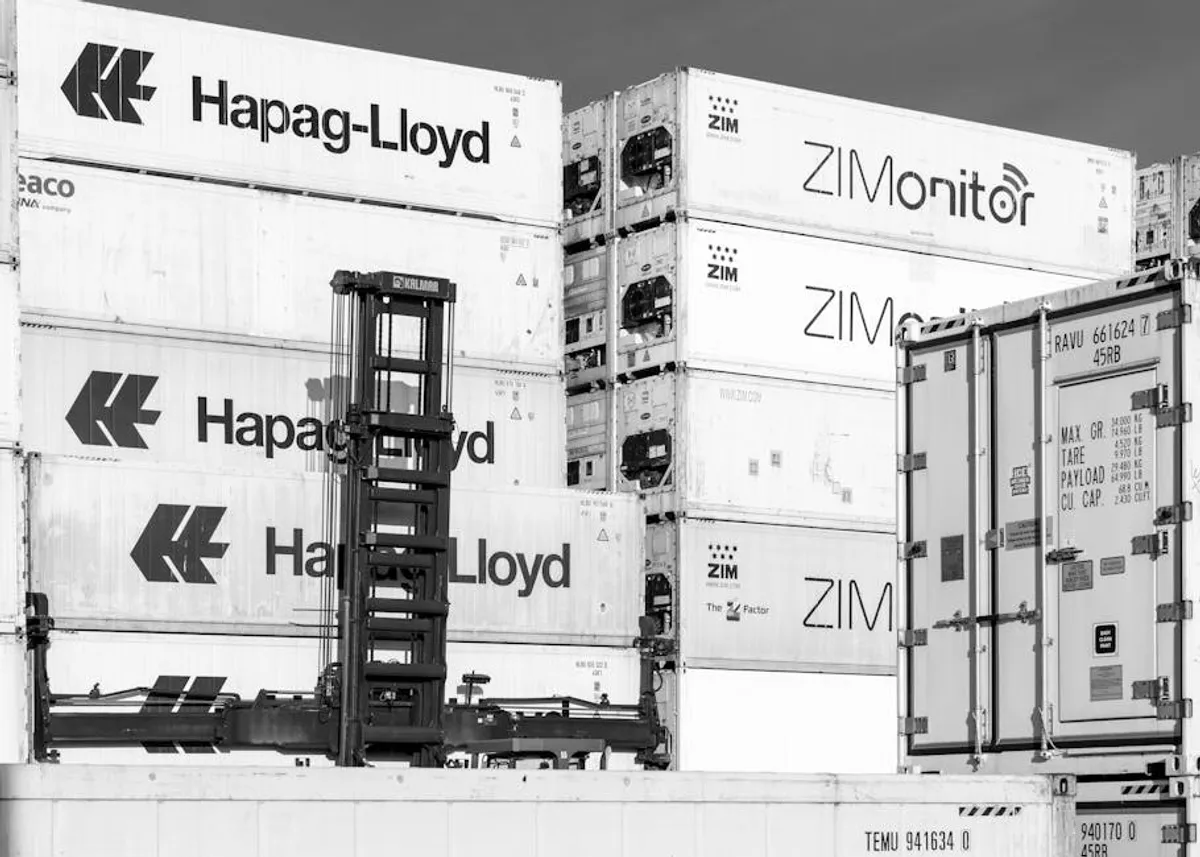
The demand for temperature-controlled logistics, especially for pharmaceuticals, fresh produce, and high-value perishables, is driving innovation in reefer container technology. Modern reefers offer more precise temperature control, improved energy efficiency, and remote monitoring capabilities. These advancements reduce spoilage and expand the range of goods that can be transported globally. For businesses dealing with sensitive cargo, investing in partners with state-of-the-art reefer fleets is crucial for maintaining product integrity and regulatory compliance.
Modular and Adaptable Units
Beyond standard dry and reefer units, there's an increasing focus on modular and adaptable container designs. These include flat racks for oversized cargo, open-top containers for easy loading, and even collapsible containers designed to reduce empty return costs. The ability to customize container solutions for unique cargo dimensions or handling requirements improves efficiency and reduces damage. Businesses with diverse product portfolios should explore these specialized options to optimize their shipping operations and potentially reduce packaging costs.
Strategic Adaptations for the Coming Year
Navigating the complex landscape of shipping container trends requires a proactive and adaptable strategy. Businesses should focus on resilience, efficiency, and sustainability to maintain a competitive edge.
- Diversify Carrier Relationships: Relying on a single carrier increases vulnerability to disruptions. Cultivate relationships with multiple providers across different trade lanes.
- Invest in Data Analytics: Leverage real-time tracking and predictive analytics to anticipate issues and optimize logistics.
- Prioritize Sustainability: Align with carriers and partners committed to decarbonization, not only for compliance but also for brand reputation.
- Explore Specialized Container Options: Match container types to cargo needs for improved efficiency and reduced damage.
- Monitor Geopolitical Developments: Stay informed about global trade policies and regional conflicts that could impact shipping routes and costs.
Frequently Asked Questions
How do these trends affect shipping costs?
Trends like decarbonization and smart container technology can introduce new costs (e.g., green surcharges, tech investment) but also offer long-term savings through efficiency gains, reduced waste, and minimized losses. Supply chain volatility, however, often leads to unpredictable and higher spot market rates.
What role does technology play in modern container shipping?
Technology is central to modern container shipping, enabling real-time tracking, predictive analytics for route optimization, enhanced security, and improved cargo condition monitoring. It transforms containers into smart, data-generating assets, crucial for efficient supply chain management.
How can businesses adapt to supply chain volatility?
Adapting to volatility involves diversifying carrier partnerships, exploring nearshoring options, maintaining flexible inventory strategies, and continuously monitoring geopolitical and economic developments that could impact container availability and pricing.
Are container designs changing significantly?
While the standard dry container remains prevalent, there's a growing emphasis on specialized designs like advanced reefer units, modular containers, and collapsible options. These innovations cater to specific cargo needs, improve efficiency, and support more sustainable logistics practices.