Understanding port congestion trends is critical for businesses operating within global supply chains. The landscape of maritime logistics is in constant flux, influenced by geopolitical shifts, economic pressures, and environmental factors. For any enterprise reliant on the timely movement of goods, anticipating and mitigating the impact of port delays directly affects operational costs, inventory management, and ultimately, customer satisfaction. This year, the focus shifts from widespread, pandemic-induced bottlenecks to more localized, yet equally disruptive, challenges that demand proactive monitoring and adaptive strategies.
The Evolving Landscape of Port Congestion
The nature of port congestion has transformed significantly since the peak disruptions of 2020-2022. While the initial surge was characterized by unprecedented consumer demand and labor shortages, current congestion points are often more acute, driven by specific regional events rather than systemic global collapse. This requires a more granular approach to risk assessment. Businesses must move beyond generalized assumptions about port efficiency and instead track specific trade lanes, geopolitical hotspots, and labor relations within key maritime hubs. The resilience of a supply chain now hinges on its ability to navigate these nuanced, evolving choke points.
Key Trends Shaping This Year's Port Operations
Geopolitical Flashpoints and Trade Route Disruptions
Geopolitical instability continues to be a primary driver of port congestion and route diversions. Events like the ongoing situation in the Red Sea, which has forced many carriers to reroute around the Cape of Good Hope, exemplify how regional conflicts can cascade into global logistics challenges. Similarly, persistent low water levels in critical waterways, such as the Panama Canal, introduce significant transit delays and increased costs due to draft restrictions and longer queues. These diversions extend transit times, increase fuel consumption, and strain vessel availability, leading to irregular port calls and subsequent accumulation of cargo.
Labor Negotiations and Industrial Actions
Labor relations at major global ports remain a significant variable. Upcoming contract negotiations or ongoing disputes can quickly escalate into strikes or slowdowns, paralyzing cargo movement. The potential for industrial action at key gateways, particularly in North America and Europe, poses a direct threat to schedule reliability. Such disruptions not only halt operations at the affected port but also create ripple effects, diverting vessels to already strained alternative ports, leading to broader regional congestion and delays.
Infrastructure Strain and Capacity Limitations
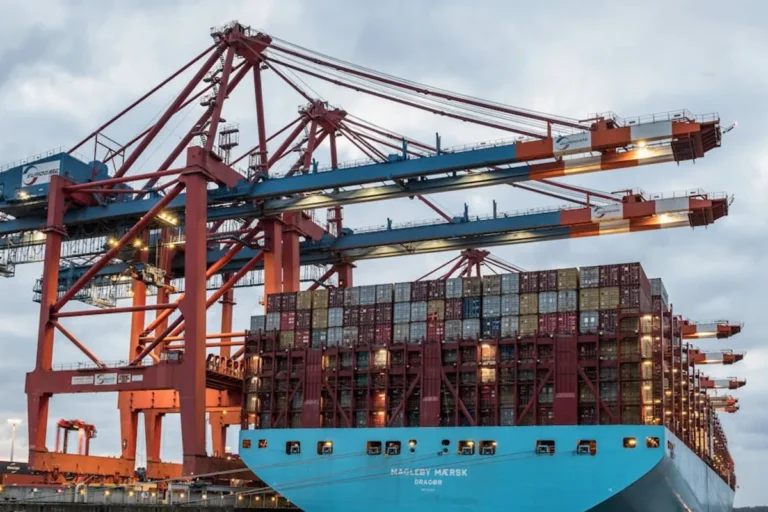
While some ports have invested in modernization, many still grapple with aging infrastructure and insufficient capacity to handle the increasing size and volume of container vessels. The trend towards ultra-large container ships (ULCS) places immense pressure on quay crane availability, yard space, and hinterland transportation networks. When a ULCS arrives, it demands significant resources, often overwhelming existing systems and leading to longer dwell times for containers and slower turnaround times for trucks and trains. This structural limitation is a persistent, underlying cause of congestion, particularly during demand surges.
Climate Change and Extreme Weather Events
The increasing frequency and intensity of extreme weather events directly impact port operations. Hurricanes, typhoons, severe storms, and even prolonged periods of fog can shut down ports, disrupt pilotage services, and damage infrastructure. Inland flooding can cut off access roads and rail lines, preventing cargo from moving in or out of port terminals. These climate-related disruptions are often unpredictable, requiring robust contingency planning and real-time weather monitoring to minimize their impact on shipping schedules.
Technology Adoption and Data-Driven Optimization
On the mitigation side, ports and shipping lines are increasingly leveraging technology to enhance efficiency and predict congestion. Investment in AI-driven predictive analytics, IoT sensors, and advanced port community systems aims to optimize vessel scheduling, automate gate processes, and improve yard management. While not a complete solution, these technologies are crucial for improving operational fluidity. Businesses that integrate data from these systems into their own supply chain visibility platforms gain a significant advantage in anticipating and responding to potential delays.
Commercial Implications for Businesses
The commercial consequences of port congestion are far-reaching. Extended lead times necessitate higher safety stock levels, increasing inventory carrying costs. Unpredictable arrival times disrupt production schedules for manufacturers and impact stock availability for retailers. Increased demurrage and detention charges, along with higher freight rates due to rerouting and vessel scarcity, directly impact profitability. Ultimately, these disruptions can lead to missed sales opportunities, damaged brand reputation, and strained customer relationships. Proactive monitoring and flexible logistics strategies are no longer optional, but essential for maintaining competitive advantage.
Pro Tip: Businesses should integrate real-time port data feeds and geopolitical risk assessments into their supply chain management systems. Relying solely on historical data for forecasting is increasingly insufficient; granular, immediate insights are necessary to anticipate delays rather than merely react to them.
To mitigate the risks associated with these trends, businesses should consider several strategic adjustments:
- Diversify Sourcing and Shipping Routes: Explore alternative suppliers and consider multi-modal transport options to reduce reliance on single trade lanes or ports.
- Build Inventory Buffers: Strategically increase safety stock for critical components or finished goods to absorb short-term delays without halting production or sales.
- Utilize Advanced Analytics: Implement tools that provide predictive insights into port performance, vessel movements, and potential disruptions.
- Maintain Flexible Logistics Partnerships: Work with carriers and freight forwarders who offer agile solutions and have established contingency plans for route deviations or port diversions.
- Monitor Labor Relations and Geopolitical Developments: Stay informed about potential labor disputes and international events that could impact shipping lanes or port operations.
Navigating Future Port Challenges
The dynamic nature of global trade means port congestion will remain a persistent, albeit evolving, challenge. Businesses that thrive will be those that adopt a proactive, data-driven approach to supply chain management. This involves continuous monitoring of key trends, investing in visibility tools, and building resilient, adaptable logistics networks. The ability to pivot quickly in response to unforeseen disruptions will be the hallmark of effective supply chain leadership this year.
Frequently Asked Questions
What are the primary causes of port congestion today?
Current port congestion is primarily driven by geopolitical events causing route diversions, labor disputes leading to strikes or slowdowns, infrastructure limitations struggling with larger vessels, and extreme weather events disrupting operations. These factors often combine to create localized bottlenecks.
How do businesses measure the impact of port congestion?
Businesses measure impact through metrics like increased lead times, higher freight costs, demurrage and detention charges, stockouts, lost sales, and customer dissatisfaction. Tracking these indicators provides a clear financial and operational picture of congestion's effects.
Can technology help alleviate port congestion?
Yes, technology plays a crucial role. Advanced analytics, AI, IoT, and port community systems can optimize vessel scheduling, improve yard management, automate processes, and provide predictive insights, helping ports and carriers manage cargo flow more efficiently and mitigate potential delays.
What regions are most susceptible to congestion this year?
Regions with significant geopolitical tensions (e.g., Red Sea), critical choke points (e.g., Panama Canal), or those facing active labor negotiations (e.g., specific US and European ports) are particularly susceptible to congestion and disruptions this year.