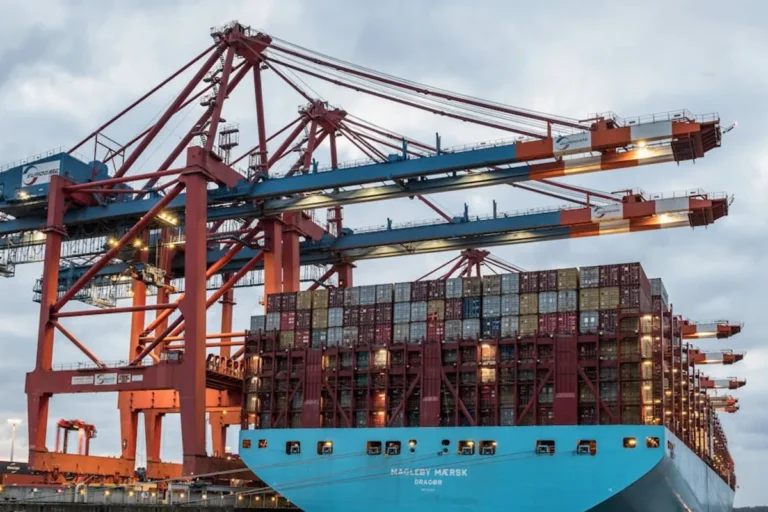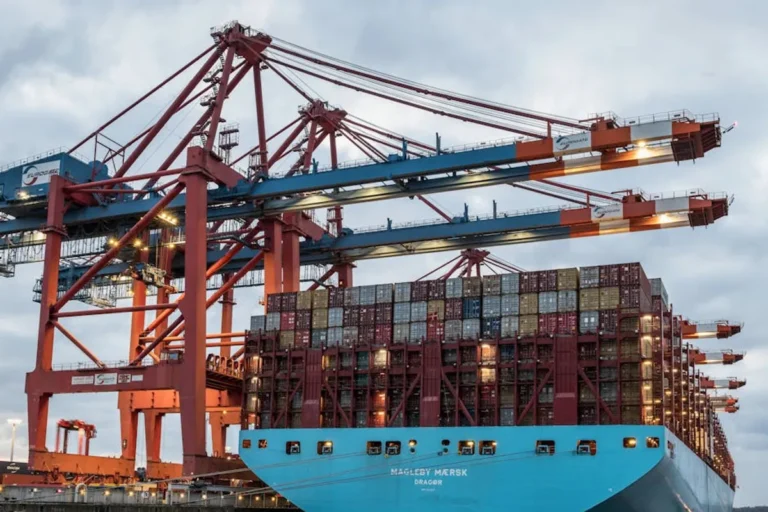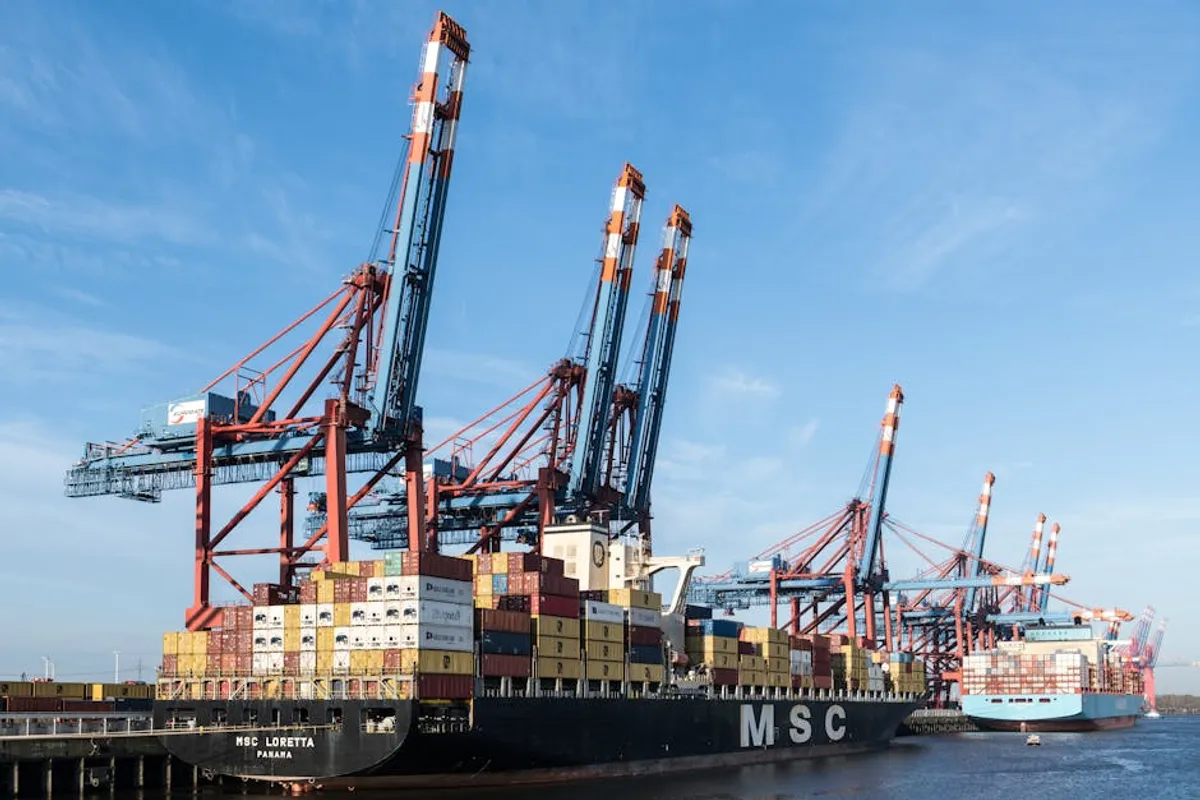
Port congestion represents a persistent and costly challenge for global supply chains, directly impacting delivery schedules, increasing freight expenses, and diminishing customer satisfaction. For supply chain teams, navigating these disruptions effectively is not merely about reacting to delays but about proactively identifying and mitigating common operational missteps. Understanding where vulnerabilities lie and implementing preventative measures can mean the difference between maintaining efficient product flow and incurring significant financial penalties from prolonged bottlenecks.
Underestimating Data Latency and Inaccuracy
A fundamental mistake supply chain teams often make is relying on outdated or incomplete data regarding port status and vessel movements. Real-time visibility is critical; information that is hours or even a day old can lead to poor decision-making and missed opportunities for course correction.
Delayed Visibility into Vessel Movements and Berth Availability
Many teams operate with data feeds that are not truly live. This means they might only learn about a vessel's delayed arrival or a port's reduced capacity well after the event has occurred. Without immediate updates on vessel queue times, berth allocations, and container offloading progress, planning for onward transportation becomes speculative. This delay propagates, causing trucks to wait unnecessarily, warehousing space to be misallocated, and production schedules to falter due to material shortages.
Impact on Downstream Planning
Inaccurate data directly compromises the efficacy of downstream logistics. When a container's arrival is unexpectedly delayed, the entire subsequent chain—from drayage and customs clearance to last-mile delivery—is thrown off. This leads to demurrage and detention charges, expedited shipping costs to compensate for lost time, and potential penalties for failing to meet delivery commitments. The cumulative effect can erode profit margins and damage supplier-customer relationships.
Neglecting Proactive Communication with Stakeholders
Effective communication is a cornerstone of resilient supply chain management, yet it is frequently overlooked during periods of port congestion. Failing to keep all parties informed exacerbates problems and creates unnecessary friction.
Lack of Real-time Updates
When port conditions deteriorate, carriers, freight forwarders, and customers require timely, transparent updates. Teams that fail to establish clear communication protocols often leave stakeholders in the dark, leading to frustration and duplicated efforts as each party attempts to gather information independently. This lack of centralized, real-time information prevents collaborative problem-solving, such as rerouting cargo or adjusting delivery expectations proactively.
Erosion of Trust and Increased Administrative Burden
Consistent communication builds trust. Conversely, silence or delayed updates during critical periods can erode confidence among partners and customers. This often results in an increased administrative burden for the supply chain team, as they spend more time responding to individual inquiries rather than focusing on strategic solutions. Transparent communication, even when delivering bad news, allows all parties to adjust their plans and minimizes the negative impact.
Over-reliance on Single Port Strategies
Concentrating all inbound or outbound shipments through a limited number of ports, particularly a single major hub, exposes supply chains to disproportionate risk during congestion events. This lack of diversification is a common and avoidable vulnerability.
Limited Flexibility During Disruptions
When a primary port experiences severe congestion due to labor issues, weather, or sudden surges in volume, a single-port strategy offers no viable alternative. Cargo becomes trapped, unable to move, and the entire supply chain grinds to a halt. The absence of pre-approved alternative routes or carriers means teams are forced into reactive, often costly, solutions under pressure, such as air freighting goods or paying exorbitant premiums for limited alternative vessel space. This highlights the critical need for pre-approved alternative ocean freight options to avoid such costly reactive measures.
Failure to Diversify Entry/Exit Points
A robust supply chain incorporates a multi-port strategy, identifying and pre-qualifying alternative entry and exit points. This involves understanding the capabilities, costs, and transit times associated with various ports and establishing relationships with logistics providers in those regions. Diversification spreads risk, allowing for swift redirection of cargo when one port becomes unmanageable, thereby maintaining continuity of supply.
Inadequate Buffer Stock and Inventory Planning
The pursuit of lean inventory models, while efficient in stable conditions, can become a significant liability when port congestion introduces unpredictable delays. Many teams fail to adequately account for this variability in their inventory strategies.
Stockouts, Production Halts, and Lost Sales
When goods are held up at congested ports, just-in-time inventory systems quickly falter. This can lead to critical stockouts, forcing manufacturing lines to shut down or preventing products from reaching shelves. The direct consequences are lost sales, unfulfilled orders, and potential breaches of contract. The financial impact extends beyond immediate revenue loss to include brand damage and customer churn.
Not Accounting for Variability in Lead Times
Effective inventory planning for global supply chains must incorporate dynamic lead time variability, especially when sourcing from regions prone to port delays. This means moving beyond static lead time assumptions and building in sufficient safety stock or establishing more flexible ordering patterns. Analyzing historical congestion data and current port performance metrics can inform more realistic lead time calculations and inventory buffer requirements.
Pro Tip: Implement a "Control Tower" approach for real-time visibility. This involves integrating data from carriers, ports, and internal systems onto a single dashboard. This consolidated view allows supply chain teams to identify emerging congestion patterns, predict potential delays with greater accuracy, and make informed decisions on rerouting or inventory adjustments before issues escalate.
Failing to Leverage Technology for Predictive Analytics
Many supply chain teams continue to rely on manual tracking and reactive problem-solving, overlooking the transformative potential of advanced technology in predicting and mitigating port congestion.
Manual Tracking Limitations
Manual tracking of vessels, containers, and port conditions is inherently inefficient and prone to human error. It provides a snapshot rather than a dynamic, evolving picture, making it difficult to anticipate congestion or respond swiftly. This reactive stance means teams are constantly playing catch-up, often incurring higher costs for expedited services or emergency rerouting.
Missed Opportunities for Scenario Planning
Modern supply chain software, powered by AI and machine learning, can analyze vast datasets—including historical port performance, weather patterns, geopolitical events, and carrier schedules—to predict congestion points before they fully materialize. This enables proactive scenario planning, allowing teams to model different outcomes and pre-plan alternative routes, modes of transport, or inventory adjustments. Without such tools, the ability to dynamically adjust to changing port conditions is severely limited, leading to suboptimal and costly responses.
Ignoring Regulatory and Geopolitical Factors
Port operations are highly susceptible to external influences, yet many supply chain teams fail to adequately monitor and integrate regulatory changes, labor disputes, or geopolitical shifts into their risk assessments.
Not Monitoring External Risks
Labor strikes at major ports, new customs regulations, environmental mandates, or geopolitical tensions can abruptly halt or severely impede cargo flow. Teams that do not actively monitor these external factors are caught off guard, leading to significant delays and unexpected costs. A comprehensive risk management framework must include continuous monitoring of such variables.
Reactive Rather Than Proactive Response
A reactive approach to external risks means waiting for an event to occur before formulating a response. This often results in frantic, costly, and inefficient emergency measures. A proactive stance involves subscribing to relevant industry news, engaging with trade associations, and leveraging geopolitical intelligence to anticipate potential disruptions. This allows for the development of contingency plans well in advance, minimizing the impact when an event inevitably occurs.
Building Resilience Against Port Congestion
To effectively counter the challenges of port congestion, supply chain teams must move beyond reactive measures and embed resilience into their operational framework. This involves a multi-faceted approach that prioritizes visibility, diversification, and proactive planning.
- Invest in Real-time Visibility Platforms: Implement systems that offer end-to-end tracking of cargo, from origin to destination, providing immediate updates on vessel location, port status, and potential delays. This data empowers timely decision-making.
- Diversify Port and Carrier Networks: Establish relationships with multiple ports and carriers across different regions. This creates built-in flexibility, allowing for rapid rerouting of shipments when primary routes become congested or unavailable.
- Develop Dynamic Inventory Strategies: Move away from rigid just-in-time models. Incorporate variable safety stock levels and demand forecasting that accounts for potential lead time extensions due to port disruptions.
- Enhance Communication Protocols: Establish clear, consistent communication channels with all stakeholders—carriers, freight forwarders, customers, and internal teams. Provide regular updates, even during periods of stability, to build trust and facilitate smoother information exchange during crises.
- Leverage Predictive Analytics: Utilize AI and machine learning tools to analyze historical data and current conditions to forecast congestion points. This allows for proactive scenario planning and the implementation of preventative measures before disruptions occur.
- Integrate Geopolitical and Regulatory Monitoring: Stay informed about global events, trade policies, and labor situations that could impact port operations. Incorporate these insights into risk assessments and contingency planning.
Frequently Asked Questions
What are the primary causes of port congestion?
Port congestion typically results from a combination of factors, including unexpected surges in cargo volume, labor shortages (dockworkers, truck drivers), severe weather events, equipment failures, customs processing delays, and geopolitical disruptions affecting shipping lanes or port access.
How does port congestion impact shipping costs?
Congestion directly increases shipping costs through demurrage and detention charges for delayed containers, higher fuel consumption for waiting vessels, increased drayage rates due to truck dwell times, and the need for expedited shipping methods (like air freight) to mitigate severe delays.
What role does technology play in mitigating port congestion?
Technology offers real-time visibility into vessel movements and port conditions, predictive analytics to forecast congestion, and optimization tools for route planning. These capabilities enable supply chain teams to make data-driven decisions, reroute cargo proactively, and minimize the impact of delays.
Should supply chains always diversify their port usage?
Yes, diversifying port usage is a critical strategy for resilience. Relying on a single port exposes a supply chain to significant risk if that port experiences disruptions. Utilizing multiple entry and exit points provides flexibility and ensures continuity of supply even when one hub faces severe congestion.