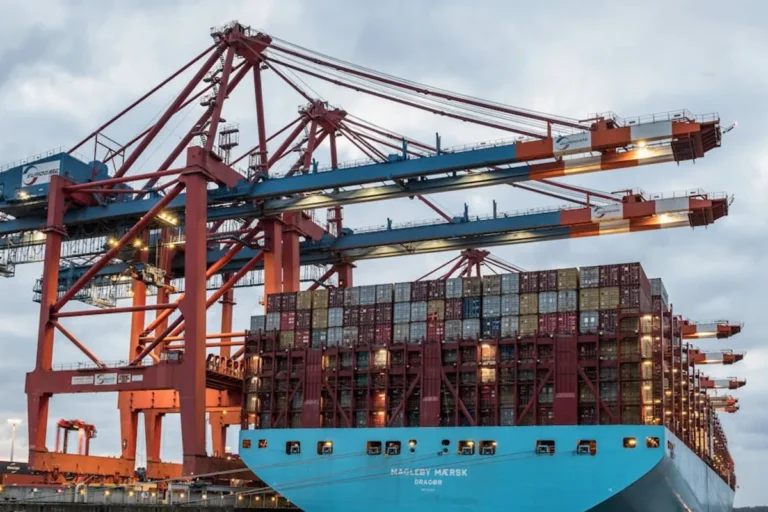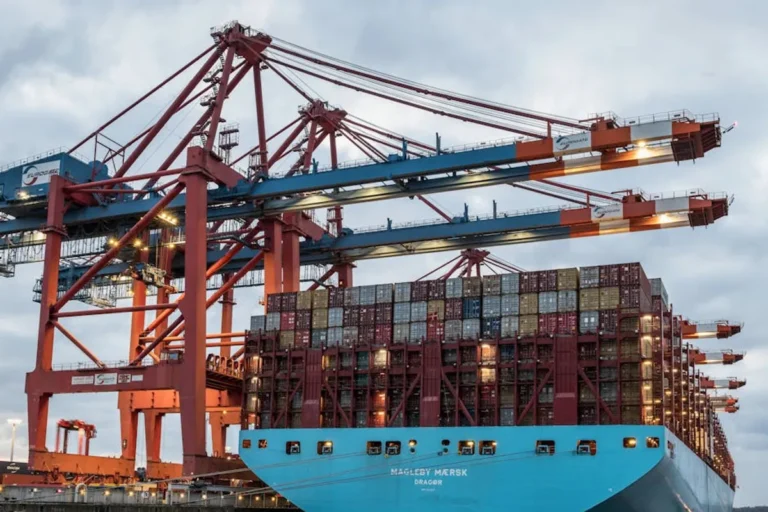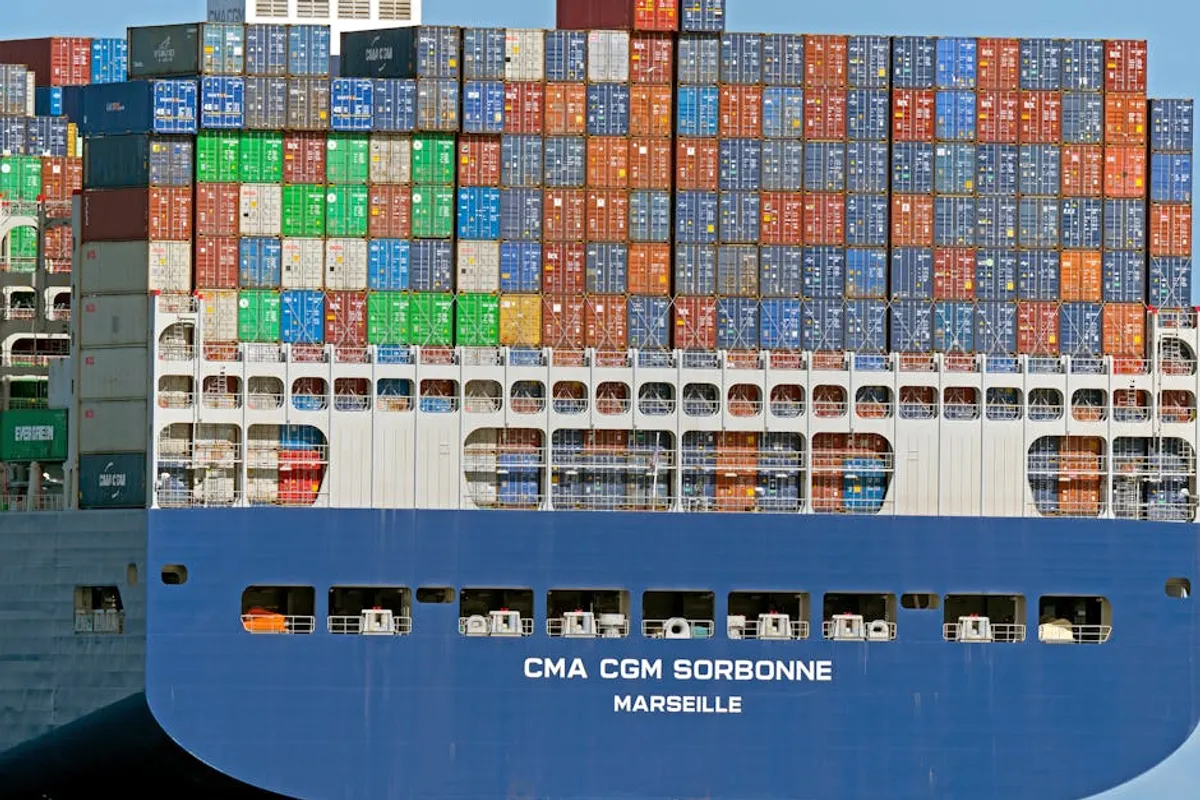
Importers relying on ocean freight face a complex web of logistics, regulations, and financial considerations. Overlooking a single detail can lead to costly delays, customs penalties, or even cargo seizure. A structured checklist is not merely a suggestion; it is an operational necessity to ensure shipments move efficiently from origin to destination. This guide outlines the critical steps and considerations for a robust ocean freight checklist, designed to mitigate risks and optimize the import process. This guide outlines the critical steps and considerations for a structured ocean freight checklist, designed to mitigate risks and optimize the import process.
Pre-Shipment Planning and Documentation
Effective ocean freight begins long before cargo reaches the port. Thorough planning and meticulous documentation are foundational to preventing issues down the line.
Supplier and Product Details
- Product Specifications and Quantity: Confirm exact product types, models, and total units. Discrepancies here can lead to incorrect declarations and customs holds.
- Packaging Requirements: Verify packaging meets international shipping standards and protects goods during transit. Inadequate packaging is a common cause of damage claims.
- Harmonized System (HS) Codes: Accurately classify all goods with their corresponding HS codes. These codes determine duties, taxes, and regulatory requirements, directly impacting landed cost and compliance.
- Incoterms Agreement: Clearly define the Incoterms (e.g., FOB, CIF, EXW) with your supplier. This dictates who is responsible for specific costs, risks, and insurance at each stage of the journey, from origin factory to destination port.
Regulatory Compliance
Understanding and adhering to import regulations for your destination country is non-negotiable. Failure to comply can result in significant fines and delays.
- Import Licenses and Permits: Identify and secure all necessary import licenses or permits for regulated goods (e.g., food, pharmaceuticals, electronics, textiles).
- Country-Specific Regulations: Research and comply with specific agency requirements (e.g., FDA for food/drugs, USDA for agricultural products, EPA for chemicals). These often involve pre-market approval or specific labeling.
- Restricted or Prohibited Goods: Confirm that no items in your shipment are restricted or prohibited from import into the destination country. This list varies widely by nation.
Booking and Carrier Selection
Choosing the right partners and securing your booking are critical operational steps.
Best for: Ensuring reliable transit and appropriate service levels.
- Freight Forwarder/Carrier Selection: Evaluate forwarders based on their track record, network, communication capabilities, and specialized services for your cargo type. Their expertise can significantly streamline the process.
- Booking Confirmation: Obtain a confirmed booking with the chosen carrier, including vessel name, voyage number, estimated departure and arrival dates, and container details.
- Cargo Insurance: Arrange comprehensive cargo insurance. While carriers have limited liability, this insurance protects your financial investment against loss or damage during transit. The cost is minor compared to potential losses.
During Transit Management
Once your cargo is en route, proactive monitoring and documentation verification are essential.
Tracking and Communication
Maintaining visibility into your shipment's status allows for timely intervention and planning.
- Real-time Tracking: Utilize carrier or forwarder tracking portals to monitor your shipment's progress. Regular checks help anticipate arrival and potential delays.
- Communication Protocols: Establish clear communication channels with your freight forwarder for updates and problem resolution.
- Contingency Planning: Develop plans for potential disruptions such as port congestion, weather delays, or vessel breakdowns. This includes understanding demurrage and detention charges.
Documentation Verification
The accuracy of transit documents is paramount for customs clearance upon arrival.
Pro Tip: Meticulously review the Bill of Lading (B/L) as soon as it's issued. Verify all details—consignee, shipper, cargo description, container numbers, and seal numbers—against your commercial invoice and packing list. Any discrepancy, even minor, can cause significant customs delays and costs at the destination port. Request amendments immediately if errors are found.
- Commercial Invoice: Ensure the commercial invoice accurately reflects the goods' value, quantity, and description. This document is central to customs valuation.
- Packing List: Confirm the packing list precisely details the contents of each package or container, including dimensions and weights.
- Certificate of Origin: Verify the Certificate of Origin (COO) is correctly issued, as it can influence preferential duty rates under trade agreements.
Post-Arrival Procedures
The final stages involve customs clearance and arranging delivery to your facility.
Customs Clearance
Navigating customs efficiently requires preparation and precise documentation.
Best for: Expediting cargo release and avoiding penalties.
- Customs Broker Engagement: Appoint a licensed customs broker in advance. Their expertise is invaluable for navigating complex import regulations, preparing declarations, and ensuring compliance.
- Duty and Tax Calculation: Confirm the calculation of import duties, taxes, and other fees based on the HS codes and declared value. Budget for these costs accurately.
- Required Documentation: Ensure all necessary documents for customs release (B/L, commercial invoice, packing list, COO, permits) are submitted promptly and accurately to the broker.
Inland Transportation and Delivery
The final leg of the journey demands coordination for efficient unloading and receipt.
- Final Mile Delivery: Arrange for inland transportation from the port of discharge to your warehouse or final destination. Coordinate with trucking companies or your freight forwarder for timely pickup.
- Unloading and Warehousing: Plan for the efficient unloading of cargo and storage. Ensure adequate space and equipment are available.
- Damage Inspection: Upon receipt, immediately inspect the cargo for any visible damage or discrepancies. Document any issues with photos and detailed notes, and report them to the carrier and insurance provider within the stipulated timeframe.
Financial and Administrative Closeout
Completing the financial and administrative aspects ensures proper accounting and audit readiness.
Payment and Record Keeping
Accurate financial reconciliation and document retention are crucial for compliance and future reference.
- Freight Invoice Reconciliation: Review and reconcile all freight invoices against agreed-upon rates and services. Address any discrepancies promptly.
- Customs Duty and Tax Payments: Ensure all duties, taxes, and fees are paid to customs authorities within their deadlines to avoid penalties.
- Document Retention: Maintain a comprehensive archive of all shipping documents, commercial invoices, customs declarations, and payment records for a minimum of five to seven years, as required for potential audits.
Optimizing Your Import Operations
An effective ocean freight checklist is a dynamic tool. Regularly review and update it based on experiences, changes in regulations, and evolving supplier relationships. This iterative approach refines your processes, reduces future risks, and contributes to more predictable and cost-effective international trade operations. Proactive management at each stage transforms potential complications into manageable steps, solidifying your supply chain's reliability.
Frequently Asked Questions
What is the most critical document for ocean freight?
The Bill of Lading (B/L) is arguably the most critical document. It serves as a contract of carriage, a receipt for goods, and a document of title, essential for claiming your cargo upon arrival.
How do Incoterms impact my responsibilities as an importer?
Incoterms define the responsibilities, costs, and risks associated with the delivery of goods between buyer and seller. For example, under FOB (Free On Board), the seller is responsible until goods are loaded onto the vessel, after which risk and cost transfer to the buyer. Understanding your agreed Incoterm dictates your obligations for insurance, main carriage, and customs clearance.
Should I always use a freight forwarder for ocean freight?
While not strictly mandatory for every shipment, using a freight forwarder is highly recommended for most importers. They manage complex logistics, customs documentation, carrier negotiations, and provide expertise that can save time, money, and prevent costly errors, especially for less-than-container-load (LCL) shipments or complex routes.
What happens if my ocean freight shipment is delayed?
If your shipment is delayed, your freight forwarder should communicate the reason and new estimated arrival. Delays can incur additional costs like demurrage (for containers staying too long at port) or detention (for containers kept too long off port premises). Proactive communication and contingency planning are key to mitigating impacts.