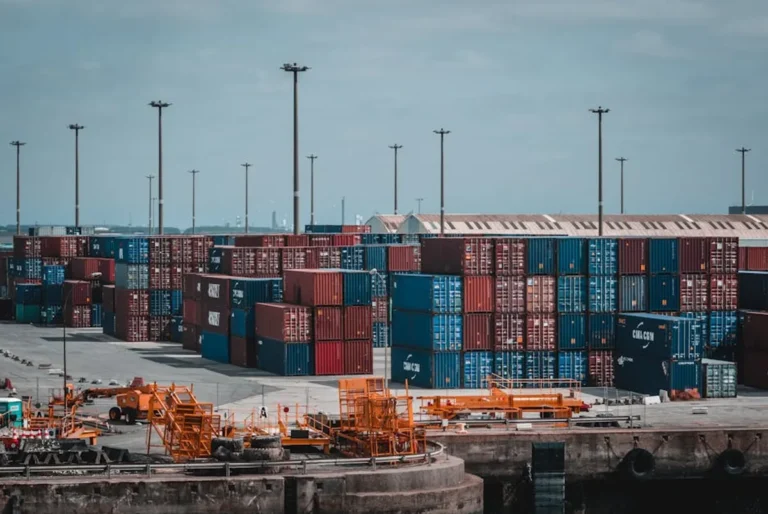
Best Practices for Managing green shipping
Implementing effective green shipping practices is crucial for sustainability and operational efficiency.
Page 5 of 21 250 articles total
Implementing effective green shipping practices is crucial for sustainability and operational efficiency.
Freight forwarding is a proactive service optimizing cargo movement, while shipping delays are disruptive events.
Freight teams need robust supply chain visibility for efficiency and cost control. This checklist details essential real-time tracking, data integration, and.
Ecommerce brands shipping perishables need a robust cold chain logistics checklist. This guide details essential steps for product assessment, transport.
Last-mile delivery, the final leg of product shipment, is critical for manufacturers to manage costs, enhance customer satisfaction, and protect brand.
Small businesses often encounter costly pitfalls in freight forwarding; learn to avoid common mistakes like inadequate documentation, poor partner selection.
Cold chain logistics is vital for maintaining product integrity and safety across sensitive supply chains.
Transshipment is a strategic logistics process in global trade, optimizing freight costs, expanding market reach, and navigating complex routes.
Beginners often overpay for freight by misclassifying goods, ignoring hidden fees, or neglecting carrier comparisons.
B2B companies often face significant challenges in customs clearance. Learn common mistakes like misclassification, inaccurate valuation, and documentation.
Warehouse logistics and last-mile delivery are distinct supply chain stages, each with unique operational focuses, cost structures, and technological.
Ecommerce brands often make critical mistakes in green shipping, from vague claims to ignoring packaging and full supply chain impact.