Modern global trade relies on intricate logistics networks where direct point-to-point shipping is not always the most efficient or economically viable solution. For businesses managing international supply chains, understanding transshipment is critical for optimizing freight costs, expanding market reach, and navigating complex trade routes. This strategic approach to cargo movement involves transferring goods from one vessel or mode of transport to another at an intermediate hub, rather than moving them directly from origin to final destination. It’s a deliberate choice designed to leverage economies of scale, access specific ports, or consolidate shipments, directly impacting a company’s operational efficiency and competitive position.
Defining Transshipment in Global Logistics
Transshipment is the process of shipping goods or containers to an intermediate destination, then transferring them to another ship or transport method for onward shipment to their final destination. This differs fundamentally from direct shipping, where cargo remains on a single vessel or transport mode from the origin port to the destination port. The intermediate point, often a major port or logistics hub, acts as a consolidation and distribution center, enabling carriers to optimize their main line voyages and fill vessels more efficiently.
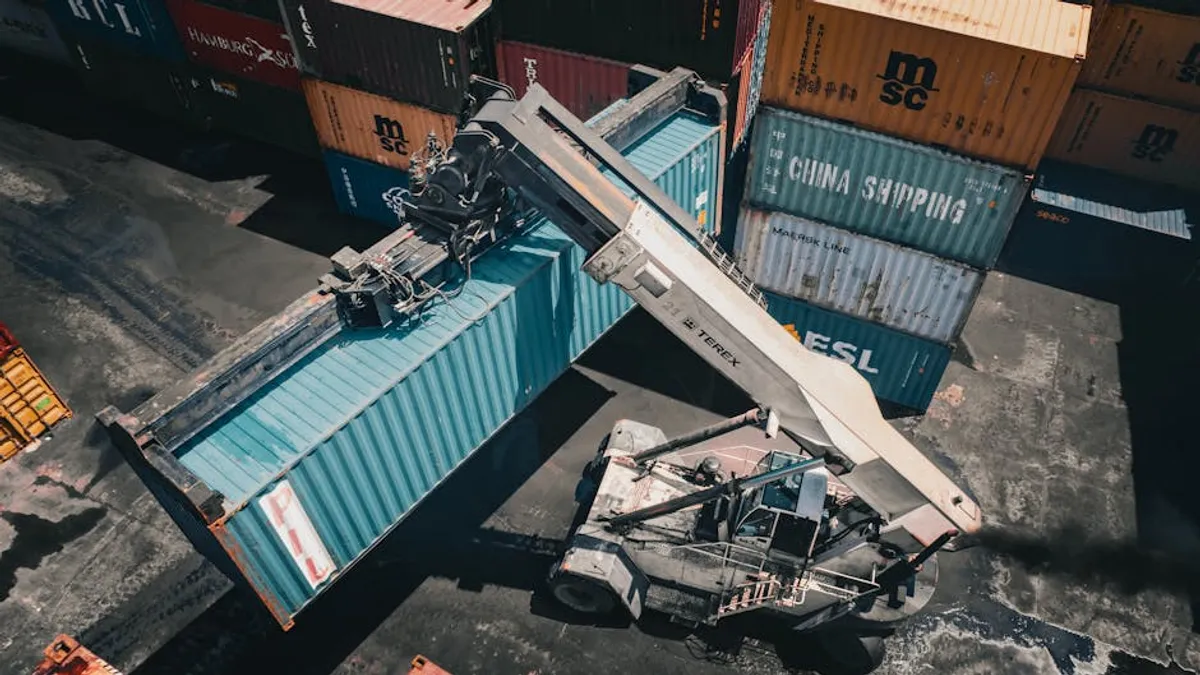
The core mechanics involve offloading cargo from an initial carrier, temporarily storing it at a transshipment port or facility, and then reloading it onto a connecting carrier. This process is meticulously coordinated to minimize dwell times and ensure seamless continuation of the supply chain. While it introduces an additional handling stage, the strategic benefits often outweigh the added complexity.
Strategic Drivers for Transshipment Adoption
Businesses opt for transshipment for several compelling reasons, primarily centered on efficiency, cost reduction, and expanded market access:
- Cost Efficiency and Economies of Scale: Larger vessels, which offer lower per-unit shipping costs, often only call at major hub ports. By transshipping, smaller feeder vessels can bring cargo to these hubs, allowing businesses to benefit from the cost advantages of main line services. This consolidation of cargo from multiple origins onto fewer, larger ships significantly reduces overall freight expenditure.
- Expanded Geographic Reach: Not all origin or destination ports have direct shipping routes to every other port globally. Transshipment enables access to a wider network of ports by using hubs as connection points, effectively extending a carrier’s service area and allowing businesses to reach more diverse markets without maintaining direct routes everywhere.
- Route Optimization and Capacity Management: Carriers can optimize their primary routes by focusing on high-volume corridors between major hubs. Transshipment allows them to manage capacity more effectively by consolidating cargo destined for various smaller ports onto dedicated feeder services from the main hub. This reduces the need for large vessels to make multiple, less efficient stops.
- Navigating Trade Restrictions and Geopolitics: In some cases, transshipment can be used to circumvent trade restrictions or political sensitivities by routing goods through neutral third countries. This provides flexibility in challenging geopolitical landscapes, though it requires meticulous compliance and documentation.
Common Types of Transshipment Operations
While often associated with container shipping, transshipment applies to various cargo types:
Container Transshipment
Best for: General merchandise, manufactured goods, and anything shipped in standard intermodal containers.
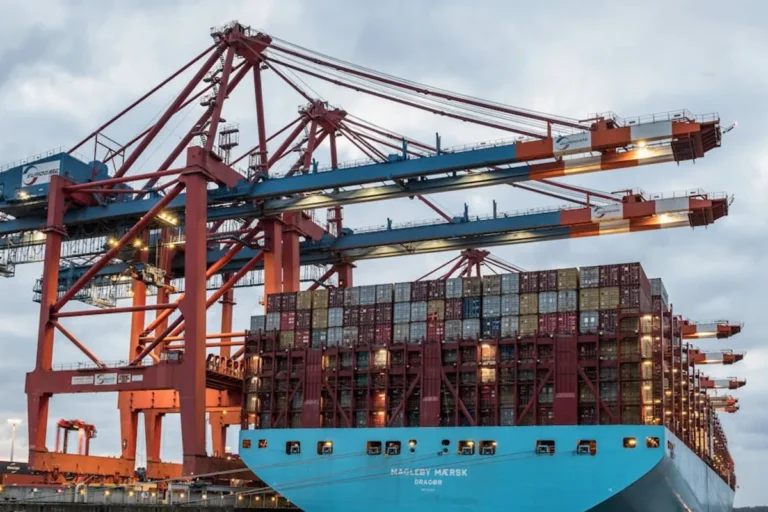
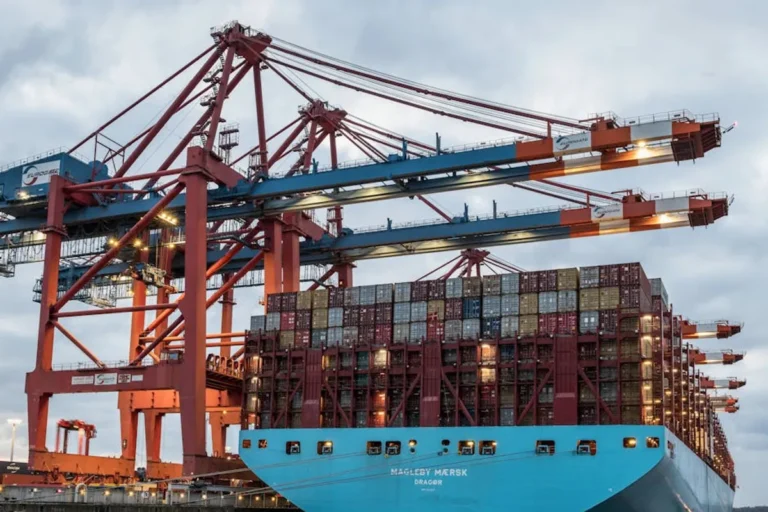
This is the most prevalent form, where containers are moved between different container ships at a major port. These hubs are equipped with specialized cranes and automated systems to handle thousands of container movements daily, forming the backbone of global supply chains for consumer goods and industrial components.
Bulk Cargo Transshipment
Best for: Raw materials like iron ore, coal, grains, and liquids such as crude oil or LNG.
Bulk transshipment involves transferring unpackaged raw materials. This can occur ship-to-ship at sea (known as lightering) or at specialized bulk terminals. It’s often driven by draft restrictions at destination ports, requiring larger vessels to unload onto smaller ones, or by the need to consolidate smaller shipments into larger, more economical ocean voyages.
Breakbulk and Project Cargo Transshipment
Best for: Oversized equipment, heavy machinery, or non-containerized goods.
For cargo that cannot fit into standard containers, transshipment may involve specialized heavy-lift vessels or roll-on/roll-off (RoRo) ships. This process requires careful planning and specialized equipment at the transshipment hub to safely transfer unique or high-value items, ensuring their integrity throughout the multi-leg journey.
The Pivotal Role of Transshipment Hubs
Transshipment hubs are strategically located ports with extensive infrastructure, acting as critical nodes in global shipping networks. Cities like Singapore, Rotterdam, Hong Kong, and Dubai have developed into major hubs due to their geographical position along key trade lanes and their investment in deep-water berths, high-capacity cranes, vast storage yards, and efficient customs procedures.
These hubs facilitate the rapid transfer of cargo, minimize port turnaround times, and offer a wide array of logistics services. Their efficiency directly impacts the speed and reliability of global supply chains. The choice of a transshipment hub can significantly influence transit times, costs, and the overall resilience of a shipping route for any business.
Pro Tip: When evaluating transshipment routes, meticulously track the historical performance of chosen hubs and carriers for on-time departures and arrivals. Delays at transshipment points are a common source of supply chain disruption, directly impacting inventory levels and delivery schedules. Prioritize partners with established efficiency metrics and robust contingency plans.
Optimizing Transshipment Strategies for Your Business
Successfully integrating transshipment into a logistics strategy requires careful consideration and active management:
- Carrier and Route Selection: Evaluate carriers based on their network coverage, frequency of sailings, and historical performance at key transshipment hubs. A carrier with fewer direct routes but excellent transshipment connections might offer better overall transit times and reliability than one with more direct but less frequent options.
- Visibility and Tracking: Invest in or demand advanced tracking capabilities from logistics partners. Real-time visibility into cargo location, especially during the transshipment process, is crucial for managing expectations, proactive problem-solving, and mitigating potential delays.
- Documentation Accuracy: Errors in documentation, such as bills of lading or customs declarations, are magnified during transshipment, potentially leading to significant delays and penalties. Ensure all paperwork is precise and compliant with regulations at both the transshipment port and the final destination.
- Risk Management: Acknowledge the increased handling points and potential for delays. Implement robust insurance policies and build buffer time into your supply chain planning to account for unforeseen circumstances at intermediate points.
Navigating Transshipment for Business Growth
Transshipment is not merely a logistical maneuver; it is a strategic lever for businesses operating in global markets. By understanding its mechanisms and implications, companies can unlock significant advantages. It allows for greater flexibility in route planning, provides access to a broader spectrum of markets, and can lead to substantial cost savings through optimized vessel utilization. For any enterprise engaged in international trade, a well-executed transshipment strategy translates directly into improved supply chain resilience, competitive pricing, and enhanced customer satisfaction through more reliable delivery networks.
Frequently Asked Questions
What is the primary benefit of transshipment for businesses?
The primary benefit is cost efficiency through economies of scale, allowing businesses to leverage larger, more economical vessels by consolidating cargo at major hub ports, thereby reducing per-unit shipping costs.
Does transshipment always increase transit time?
Not necessarily. While it adds an intermediate stop, transshipment can sometimes reduce overall transit time by allowing cargo to move on faster, more frequent main line services between major hubs, followed by efficient feeder services, rather than waiting for a direct, less frequent vessel.
What are the main risks associated with transshipment?
Key risks include increased cargo handling leading to potential damage or loss, longer overall transit times due to delays at the transshipment hub, customs complexities at intermediate ports, and reduced visibility if tracking systems are inadequate.
How does transshipment impact supply chain sustainability?
Transshipment can contribute to sustainability by optimizing vessel fill rates and reducing the number of partially empty ships on major routes. However, it also involves additional handling and potential for increased emissions if transshipment hubs are not efficiently managed or if feeder vessels are older and less fuel-efficient.