For manufacturers, the journey of a product doesn't end when it leaves the factory floor; it culminates in the crucial final step: last-mile delivery. This segment, often the most complex and expensive part of the supply chain, directly shapes customer perception and brand loyalty. Optimizing this final leg is not merely about logistics efficiency; it's about safeguarding reputation, managing costs, and meeting increasingly high customer expectations in a competitive market.
Understanding Last-Mile Delivery for Manufacturers
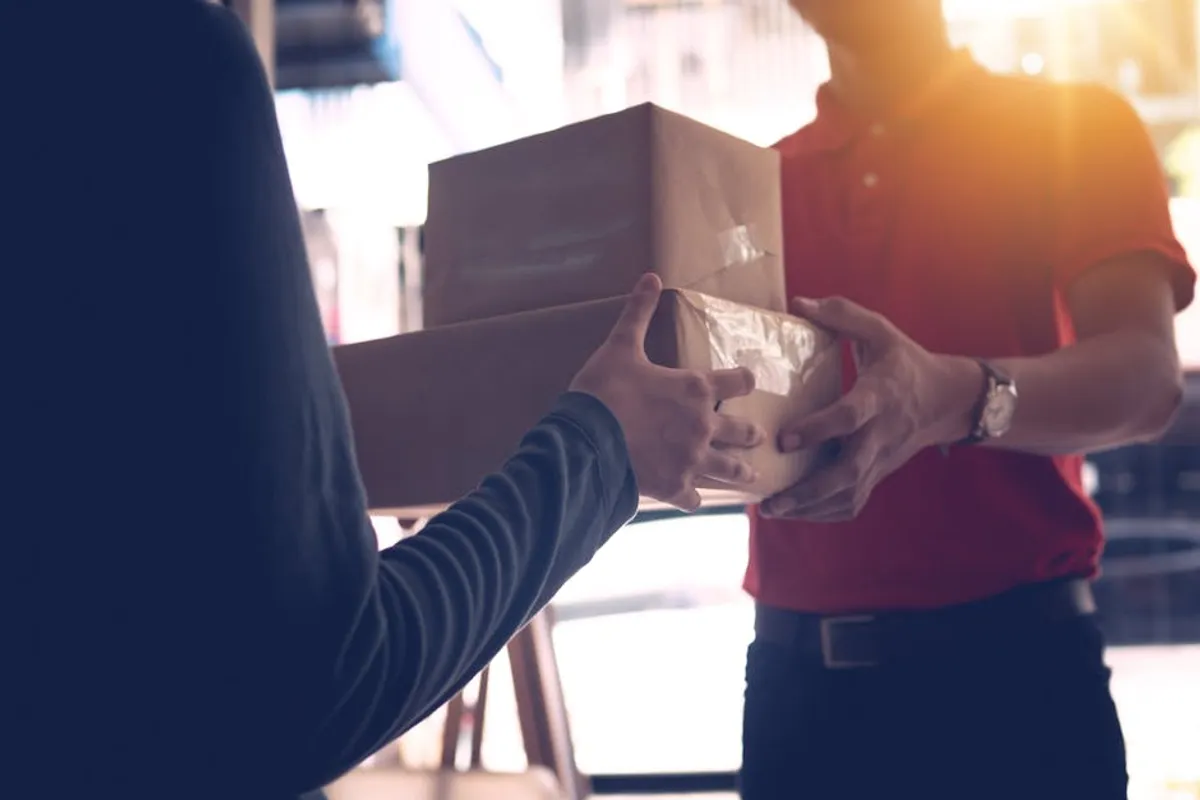
Last-mile delivery refers to the final stage of the delivery process, where a product moves from a transportation hub or distribution center to its ultimate destination: the end customer. For manufacturers, this process can involve direct-to-consumer (D2C) shipments, business-to-business (B2B) deliveries to retailers or other industrial clients, or even internal transfers to service centers. It encompasses everything from order picking and packing to route planning, actual transportation, and proof of delivery.
The distinction for manufacturers lies in the scale, diversity of products, and often, the specialized handling requirements. Whether shipping small electronics, bulky machinery, or temperature-sensitive goods, the last mile must accommodate these specific needs while maintaining speed and cost-effectiveness. This final segment is where the manufacturer's brand promise is either fulfilled or broken.
Core Challenges in Manufacturer Last-Mile Logistics
Manufacturers face distinct hurdles in managing the last mile, which contribute significantly to overall operational costs and customer satisfaction metrics.
Cost Implications and Customer Expectations
- High Operational Costs: The last mile typically accounts for over 50% of total shipping costs due to factors like fuel, labor wages, vehicle maintenance, and the inefficiency of delivering single or small batches of items to disparate locations. Failed delivery attempts also incur significant re-delivery expenses.
- Customer Demand for Speed and Transparency: Modern consumers and B2B clients expect rapid delivery times, often same-day or next-day, coupled with real-time tracking and flexible delivery options (e.g., specific time slots, alternative pickup points). Meeting these demands strains traditional logistics models.
- Geographic Complexity: Delivering to dense urban environments involves traffic congestion, parking restrictions, and complex access, while rural areas present challenges with long distances and sparse delivery points. Both scenarios drive up time and fuel costs.
- Scalability and Fluctuating Demand: Manufacturers must adapt their last-mile capacity to seasonal peaks, promotional events, or unexpected supply chain disruptions. Scaling up or down efficiently without incurring excessive overhead is a continuous challenge.
- Technology Integration: Seamlessly connecting Enterprise Resource Planning (ERP) systems, Warehouse Management Systems (WMS), and Transportation Management Systems (TMS) is crucial for visibility and automation, yet often complex to implement across disparate platforms.
- Sustainability Pressures: Growing regulatory and consumer pressure to reduce carbon emissions necessitates optimizing routes, adopting electric vehicles, and exploring greener packaging solutions, adding another layer of complexity to logistics planning.
Strategic Approaches to Last-Mile Optimization
Addressing these challenges requires a multi-faceted strategy leveraging technology, infrastructure, and smart partnerships.
Leveraging Technology for Efficiency
- Advanced Route Optimization Software: Utilizes algorithms to create the most efficient delivery routes, considering traffic, delivery windows, vehicle capacity, and driver availability. This reduces fuel consumption, labor hours, and overall delivery times.
- Real-time Tracking and Telematics: Provides visibility into vehicle location, driver performance, and delivery status, enabling proactive problem-solving and accurate customer updates. Telematics data can also inform predictive maintenance for fleets.
- Delivery Management Systems (DMS): Centralized platforms that integrate order management, dispatch, route planning, and proof of delivery, streamlining the entire last-mile operation.
- Predictive Analytics: Using historical data to forecast demand, identify potential bottlenecks, and optimize inventory placement in distribution centers or micro-fulfillment hubs.
Partnering for Scalability and Reach
Best for: Manufacturers without extensive in-house logistics capabilities or those seeking to expand into new geographic markets.
Collaborating with third-party logistics (3PL) providers specializing in last-mile delivery can offer significant advantages. 3PLs bring established networks, specialized fleets, and technological expertise that may be cost-prohibitive for individual manufacturers to develop in-house. When evaluating 3PL partners, consider their track record, technological capabilities, geographic reach, and flexibility to integrate with your existing systems.
Pro Tip for Manufacturers: Do not underestimate the impact of failed deliveries. Each unsuccessful attempt incurs not only re-delivery costs but also damages customer trust and brand perception. Invest in robust customer communication tools and flexible delivery options (e.g., designated safe drop-off points, rescheduling portals) to minimize these occurrences and enhance the overall delivery experience.
Key Performance Indicators for Last-Mile Success
To effectively manage and improve last-mile operations, manufacturers must track specific KPIs:
- On-Time Delivery Rate: Percentage of deliveries completed within the promised timeframe.
- Cost Per Delivery: Total last-mile costs divided by the number of deliveries, offering insight into efficiency.
- Delivery Success Rate: Percentage of deliveries completed on the first attempt.
- Customer Satisfaction (CSAT): Feedback on the delivery experience, often collected via surveys.
- Returns Rate and Reverse Logistics Cost: Measures the efficiency and cost of handling product returns, a critical component of the overall customer experience.
- Fuel Consumption and Emissions: Tracks environmental impact and identifies opportunities for greener logistics.
Building an Effective Last-Mile Strategy
Manufacturers seeking to optimize their last-mile operations should begin with a comprehensive audit of their current processes, identifying bottlenecks and cost drivers. Prioritize investments in technology that offers tangible ROI in terms of efficiency gains and customer satisfaction improvements. Consider a phased approach, perhaps piloting new solutions in specific regions or for particular product lines before a full rollout. Continual monitoring of KPIs and agile adaptation to market changes and technological advancements will ensure the last mile remains a competitive advantage rather than a persistent challenge.
Frequently Asked Questions
What is the average cost of last-mile delivery?
The average cost of last-mile delivery can vary widely, but industry estimates often place it between $10 to $20 per package, significantly higher for specialized or bulky items, and it can represent over 50% of the total shipping cost.
How does last-mile delivery impact customer satisfaction?
Last-mile delivery is a direct touchpoint between a manufacturer and its customer. A seamless, transparent, and timely delivery experience enhances customer satisfaction, builds trust, and encourages repeat business, directly impacting brand loyalty.
What role does technology play in optimizing last-mile delivery?
Technology is central to last-mile optimization, enabling efficient route planning, real-time tracking, automated dispatch, predictive analytics for demand forecasting, and improved customer communication, all of which reduce costs and enhance service quality.
Should manufacturers manage last-mile delivery in-house or outsource?
The decision to manage last-mile delivery in-house or outsource depends on factors like shipment volume, geographic reach, existing infrastructure, and specific product requirements. Outsourcing to 3PLs can offer scalability and cost savings, while in-house management provides greater control and brand consistency.