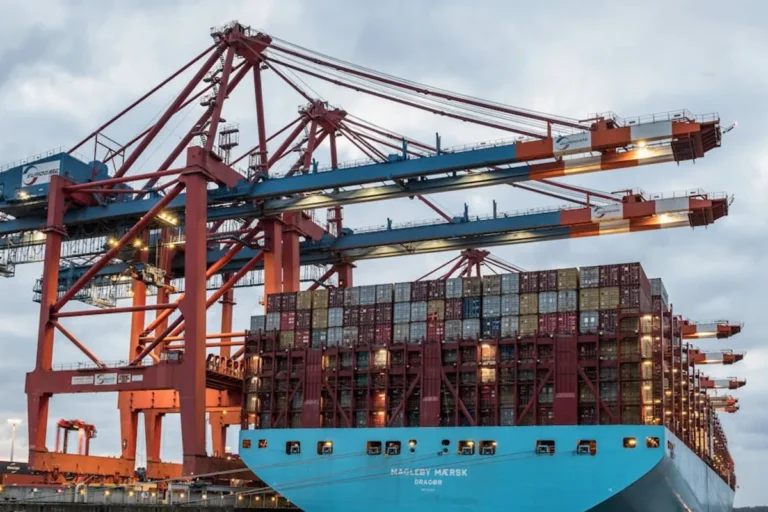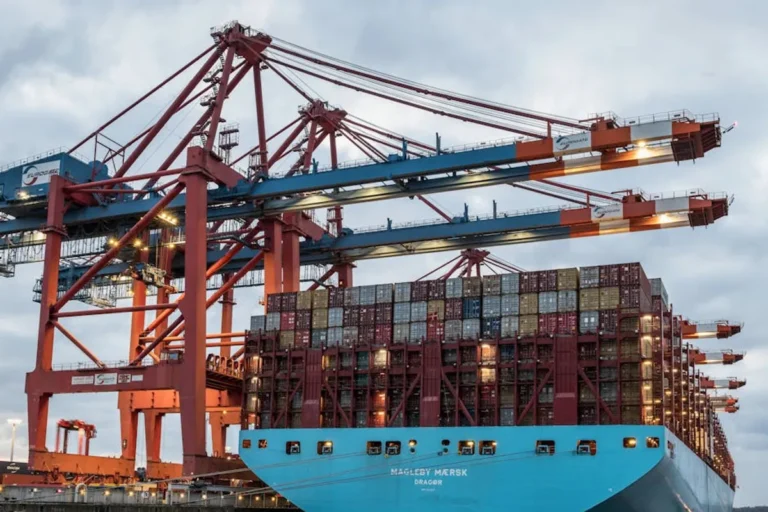
Businesses moving physical goods face distinct operational challenges depending on where in the supply chain a product resides. Two critical, yet often conflated, stages are warehouse logistics and last-mile delivery. While both are integral to getting products to their final destination, they represent fundamentally different operational domains with unique cost structures, technological requirements, and strategic priorities. Understanding these distinctions is crucial for optimizing supply chain efficiency, controlling costs, and meeting customer expectations.
Warehouse Logistics: Centralized Control and Inventory Management
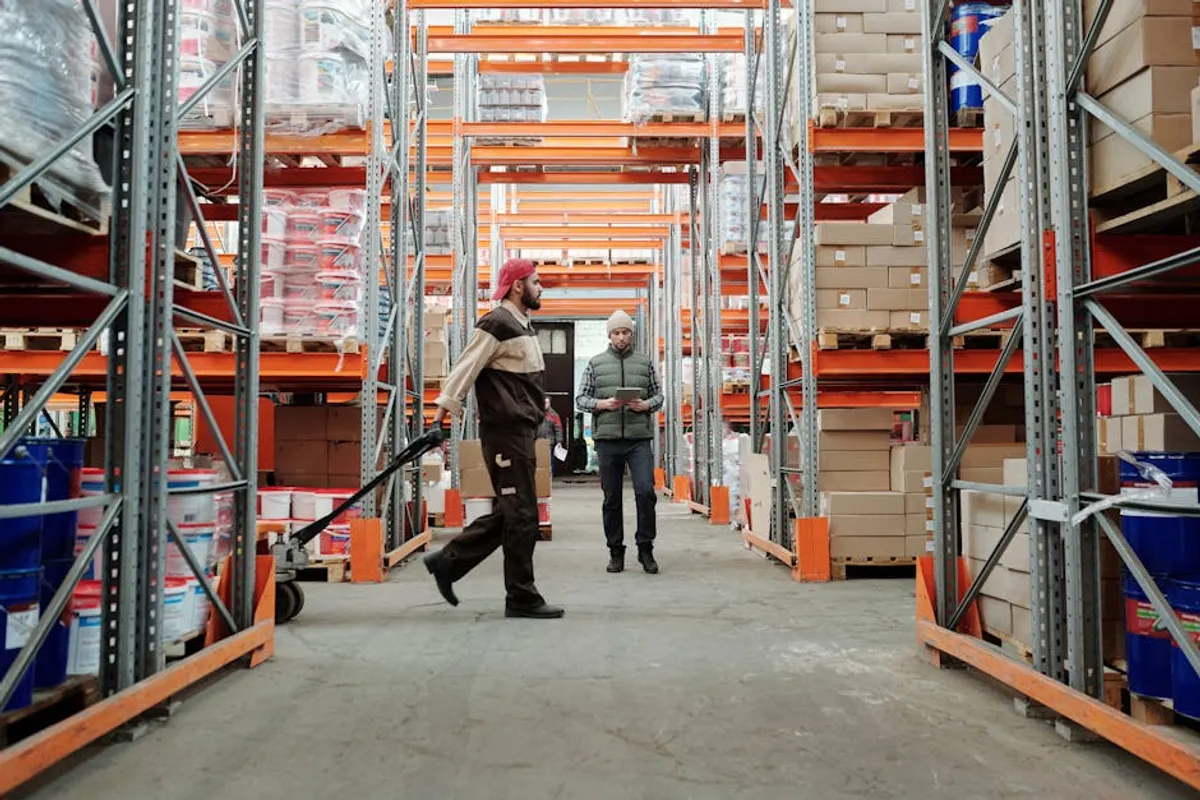
Warehouse logistics encompasses the processes involved in storing, managing, and moving goods within a warehouse or distribution center. This stage is characterized by its focus on internal efficiency, inventory accuracy, and the preparation of products for onward shipment. It's the operational backbone that ensures products are available when needed and processed effectively for the next leg of their journey.
Key Activities:
- Receiving and Put-away: Unloading incoming goods, inspecting them, and placing them into designated storage locations. This involves managing vendor compliance and maintaining accurate inventory records from the point of entry.
- Inventory Management: Tracking stock levels, locations, and movements. This includes cycle counting, demand forecasting integration, and optimizing storage density to maximize space utilization.
- Order Fulfillment: Picking, packing, and staging orders for shipment. This often involves batch picking, zone picking, or wave picking strategies to improve throughput and reduce labor costs.
- Cross-docking: Moving products directly from an inbound truck to an outbound truck with minimal or no storage in between. This strategy reduces handling and storage costs, accelerating product flow for high-demand or time-sensitive goods.
- Value-Added Services (VAS): Activities like kitting, labeling, assembly, or customization performed within the warehouse to prepare products for specific customer orders or market requirements.
Operational Characteristics: Warehouse logistics operates on a larger scale, typically involving fewer, larger facilities. Its primary goal is to minimize holding costs, maximize storage efficiency, and ensure accurate order preparation. Automation, such as conveyor systems, automated guided vehicles (AGVs), and warehouse management systems (WMS), plays a significant role in optimizing these internal processes.
Last-Mile Delivery: The Final Leg and Customer Experience
Last-mile delivery refers to the final step of the delivery process, where a package is transported from a transportation hub or distribution center to its ultimate destination, typically a customer's home or business. This stage is the most visible to the end-consumer and directly impacts customer satisfaction and brand perception. It is characterized by its geographic dispersion, fragmented delivery points, and the inherent challenges of navigating urban and rural environments.
Key Activities:
- Route Optimization: Planning the most efficient delivery routes to minimize fuel consumption, driving time, and labor costs, often leveraging advanced algorithms and real-time traffic data.
- Package Sorting and Loading: Efficiently sorting packages at a local hub and loading them onto delivery vehicles in a sequence that matches the optimized route.
- Customer Communication: Providing delivery notifications, tracking updates, and estimated arrival times to the end-customer. This includes managing delivery exceptions and re-scheduling.
- Final Delivery and Proof of Delivery: The physical handover of the package to the customer, which may include obtaining a signature, taking a photo, or leaving it in a secure location.
- Returns Management: Handling reverse logistics for returned items, often integrating with the forward last-mile network.
Operational Characteristics: Last-mile delivery involves a high volume of individual stops, often in densely populated areas or across wide geographic spreads. It is inherently less efficient per package than bulk transport due to stop-and-go driving, parking challenges, and individual customer interactions. This stage is highly susceptible to external factors like traffic, weather, and customer availability, making real-time adjustments and robust communication critical.
Core Differences: Operational Focus and Scope
While both warehouse logistics and last-mile delivery are crucial for product flow, their distinct operational models drive different strategic considerations.
Geographic Reach and Density
Warehouse logistics operates within a confined, controlled environment. Its geographic scope is limited to the physical footprint of the facility, focusing on vertical and horizontal space utilization. Success is measured by internal metrics like pick rates, inventory accuracy, and storage density. Last-mile delivery, conversely, spans a wide, uncontrolled geographic area, dealing with dispersed delivery points. Its success hinges on efficiency across a network of individual stops, navigating public infrastructure, and adapting to varied delivery conditions.
Cost Structure and Drivers
The cost structure for warehouse logistics is dominated by fixed costs such as rent, utilities, and capital investment in automation, alongside variable costs like labor, equipment maintenance, and packaging materials. Costs are often calculated per square foot or per unit stored/processed. Last-mile delivery costs are heavily influenced by variable factors: fuel, driver wages, vehicle maintenance, and the number of individual stops. The cost per delivery can be significantly higher than other segments of the supply chain due to the inefficiencies of fragmented routes and the need for specialized vehicles and personnel. This stage is a major contributor to overall logistics expenses, often representing 40-50% of total shipping costs.
Technology Application
Technology in warehouse logistics focuses on internal optimization: Warehouse Management Systems (WMS) for inventory control, Warehouse Execution Systems (WES) for task orchestration, and automation for material handling. These systems aim to streamline workflows, reduce manual errors, and improve throughput. For last-mile delivery, technology centers on external coordination and real-time adaptation: Route Optimization Software (ROS), GPS tracking, mobile delivery applications for drivers, and customer-facing tracking portals. The emphasis is on dynamic planning, communication, and proof of delivery.
Customer Interaction
Warehouse logistics has minimal direct customer interaction, primarily dealing with business partners (suppliers, carriers) or internal teams. Its impact on customer experience is indirect, ensuring the correct product is available and prepared on time. Last-mile delivery is the direct touchpoint with the end-customer. The quality of this interaction—timeliness, professionalism of the driver, condition of the package—directly shapes the customer's perception of the brand. This stage is critical for brand loyalty and repeat business.
Pro Tip: An often-overlooked area for efficiency gains lies in the seamless handoff between warehouse logistics and last-mile delivery. Optimizing the staging and loading processes within the warehouse to perfectly align with last-mile route plans can significantly reduce loading times, minimize errors, and ensure drivers depart on schedule, directly impacting delivery windows and customer satisfaction.
Optimizing Both for Supply Chain Advantage
Recognizing the distinct roles of warehouse logistics and last-mile delivery allows businesses to implement targeted strategies for optimization. Investing in advanced WMS and automation enhances internal efficiency and inventory accuracy, reducing overall holding costs and improving order fulfillment rates. Simultaneously, deploying sophisticated route optimization software, real-time tracking, and robust customer communication platforms for last-mile operations can drastically cut delivery costs, improve delivery speed, and elevate customer satisfaction scores. Strategic integration, where data flows seamlessly between warehouse operations and last-mile planning, is key to creating a cohesive and resilient supply chain that meets both internal efficiency goals and external customer demands.
Frequently Asked Questions
What is the primary goal of warehouse logistics?
The primary goal of warehouse logistics is to efficiently store, manage, and process goods within a controlled facility, ensuring inventory accuracy, minimizing holding costs, and preparing orders for onward shipment with high throughput.
Why is last-mile delivery often the most expensive part of the supply chain?
Last-mile delivery is expensive due to its fragmented nature, involving numerous individual stops, often in diverse geographic conditions. Factors like fuel costs, driver wages, traffic congestion, parking challenges, and the need for specialized vehicles contribute to higher per-package costs compared to bulk transportation.
How do warehouse logistics and last-mile delivery impact customer satisfaction?
Warehouse logistics indirectly impacts customer satisfaction by ensuring product availability and accurate order fulfillment. Last-mile delivery directly impacts customer satisfaction through timely, reliable, and professional delivery experiences, as it's the final and most visible interaction customers have with the product's journey.
Can optimizing one stage compensate for inefficiencies in the other?
While improvements in one stage can mitigate some issues in the other, true supply chain optimization requires addressing both. An efficient warehouse can't fully compensate for a poorly managed last-mile, which can lead to delays and dissatisfied customers. Conversely, a fast last-mile can't fix fundamental errors in inventory or order picking from the warehouse.