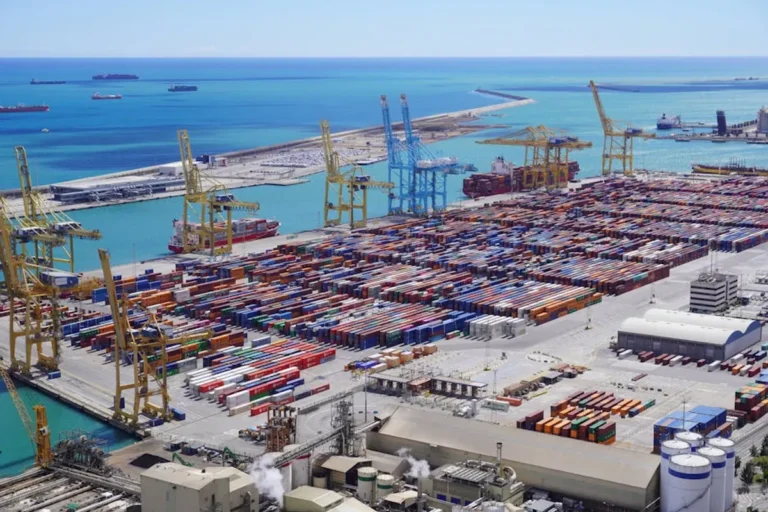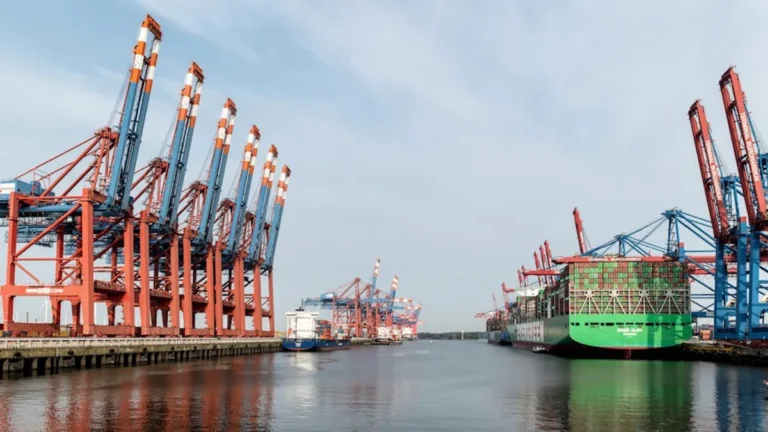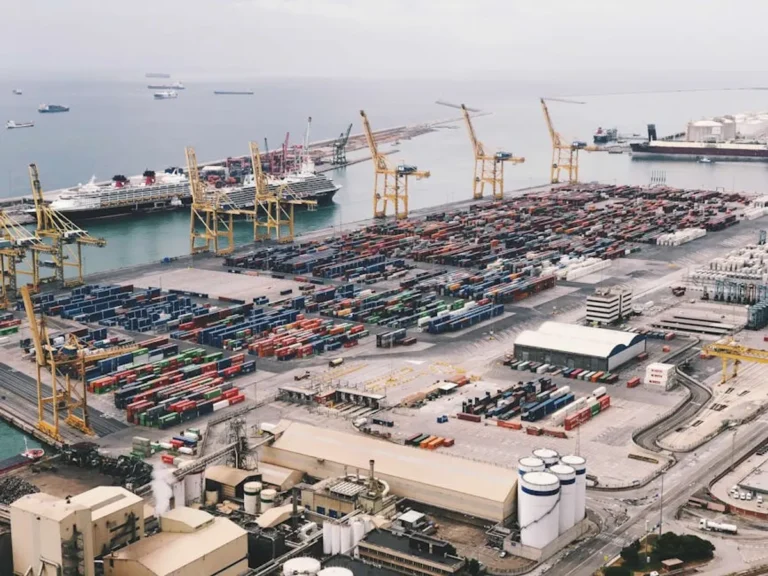
How port congestion Works in Modern Global Trade
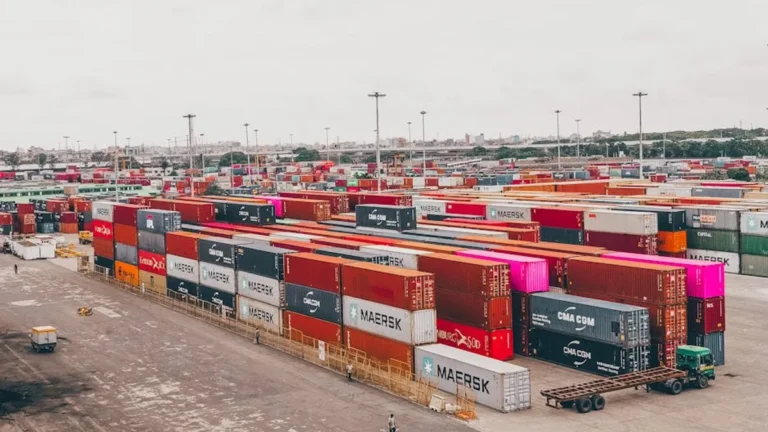
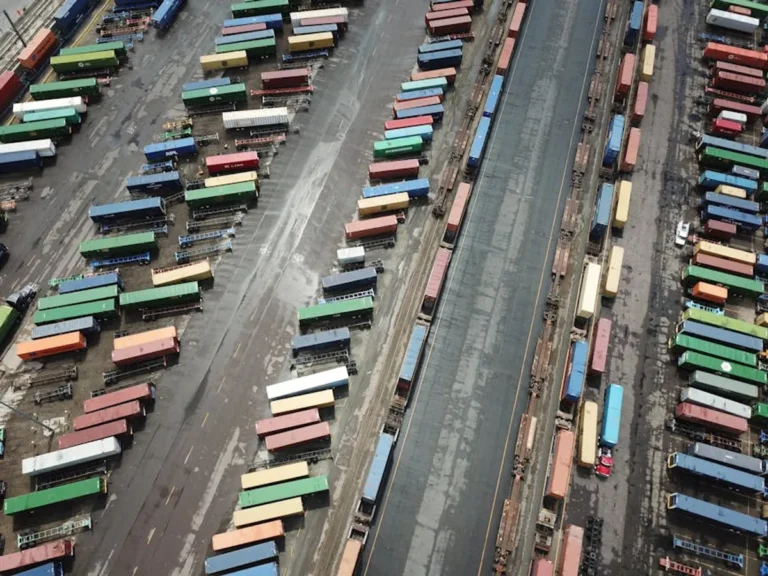
Port congestion significantly disrupts global trade by causing delays, increasing costs, and straining supply chains.
Page 15 of 21 250 articles total
Port congestion significantly disrupts global trade by causing delays, increasing costs, and straining supply chains.
Exporters must navigate complex import duties to ensure compliance and avoid costly delays.
Understanding how freight rates are calculated and influenced by market dynamics, technology, and global events is crucial for optimizing supply chain costs…
Understanding the distinct financial impacts of ocean freight and import duties is crucial for global trade, influencing landed cost, competitiveness, and.
Maritime cybersecurity is essential for freight teams to protect operational technology, safeguard data, ensure compliance, and maintain supply chain continuity.
Cargo tracking is crucial for resilient supply chains, enabling proactive risk mitigation, optimizing operations, and enhancing customer trust through.
Efficient customs clearance is crucial for reliable supply chains, preventing delays, reducing costs, and protecting brand reputation in international trade.
Small businesses need precise shipping documentation to ensure compliance, avoid delays, and manage costs effectively.
Port automation is crucial for building reliable supply chains, enhancing efficiency, reducing delays, and bolstering resilience against global disruptions.
This green shipping checklist for B2B companies outlines actionable strategies for packaging, logistics, warehousing, and transparency to reduce environmental.
Importers must implement a rigorous cold chain logistics checklist to protect temperature-sensitive goods, minimize spoilage, and ensure regulatory compliance.
Explore how IoT, AI, and blockchain are revolutionizing cargo tracking, delivering unparalleled real-time visibility, predictive analytics, and enhanced supply.